
When people ask me which water is safest to drink, they usually expect one simple answer: spring, purified, or distilled.
I wish it were that simple.
The safer choice depends on what you mean by “safe,” where the water came from, how it was treated, how it was stored, and who is drinking it. A healthy adult choosing everyday drinking water has different concerns than a parent preparing infant formula, someone with a compromised immune system, or a household dealing with lead plumbing.
In this guide, I’ll break down spring water, purified water, and distilled water in plain English so you can make a practical choice for your home without getting lost in marketing claims.
Read more: Best bottled water options for everyday drinking
Key Takeaways
- Purified water is usually the most consistent choice because it has been treated to remove many impurities.
- Distilled water is a type of purified water, but it can taste flat and is not always the best everyday option unless you need very low mineral content.
- Spring water can taste great, but safety depends heavily on the source, bottling controls, and testing.
- Bottled water is not automatically safer than filtered tap water.
- If your concern is lead, PFAS, chlorine taste, or old plumbing, a certified home filter may be a better long-term solution than buying bottled water.
- For babies, immune-compromised people, or medical situations, ask a qualified health professional which water is appropriate.
Quick Medical And Safety Disclaimer
I’m not a doctor, pediatrician, or public health official. This article is general home water education, not medical advice. If you are preparing infant formula, caring for someone with a weakened immune system, using water with medical equipment, or dealing with a known contamination issue, follow your doctor’s guidance and your local health department’s instructions.
What Is Spring Water?
Spring water comes from an underground source where water naturally flows to the surface, or from a borehole that taps the same underground formation.
That sounds clean, and sometimes it is. Spring water can have a pleasant mineral taste because it picks up naturally occurring minerals from rock and soil. That is one reason many people prefer it over flat-tasting purified water.
But “spring” does not automatically mean untouched, perfect, or safer than tap water.
Spring water can still be affected by:
- Nearby agriculture
- Septic systems
- Industrial activity
- Natural minerals such as arsenic in some regions
- Bottling and storage conditions
- Plastic packaging exposure
Reputable bottled spring water should be tested and treated as needed, but the label alone does not tell you everything. If you are relying on bottled spring water every day, I like to see the brand provide a recent water quality report or at least clear sourcing and treatment details.
What Is Purified Water?
Purified water is water that has gone through a treatment process to remove impurities. Common methods include:
- Reverse osmosis
- Distillation
- Deionization
- Carbon filtration as part of a larger process
- UV disinfection
In the bottled water aisle, “purified water” often starts as municipal tap water and is treated further. That may sound less romantic than a mountain spring, but from a safety standpoint, consistency matters more than romance.
A good purified water process can reduce many common concerns, including certain dissolved solids, unpleasant tastes, odors, and some contaminants depending on the method used.
The downside is taste. Purified water can taste plain or slightly flat, especially if most minerals have been removed. Some bottled brands add minerals back for flavor.
What Is Distilled Water?
Distilled water is made by boiling water, collecting the steam, and condensing it back into liquid. Many minerals and contaminants are left behind in the boiling chamber.
Distilled water is useful when you need very low mineral content, such as for some appliances, humidifiers, steam irons, and certain medical-device instructions.
For drinking, distilled water is generally not my first everyday recommendation for most households unless there is a specific reason. It can taste flat because minerals are removed. Some people also dislike using it as their only drinking water because it does not provide the mineral taste they expect from water.
The important point: distilled water is not “bad” just because it lacks minerals, but it is not automatically the best everyday drinking water either.
Which One Is Safest To Drink?
If I had to give a practical answer for most households, I would say this:
Purified water is usually the safest bet for consistency, but the best choice depends on the specific source, treatment, packaging, and your household’s needs.
Here is how I think about it.
For Everyday Adult Drinking
Purified water is often the most predictable bottled option. It is treated and usually has a more controlled quality profile than water sold primarily on the appeal of a natural source.
Spring water can also be fine if the company is transparent and the source is well managed. I would not dismiss spring water, but I would not assume it is safer just because the label looks natural.
Distilled water is safe for many people to drink, but it may not be enjoyable as a daily option and may not be necessary.
For Taste
Spring water often wins on taste because of natural minerals.
Purified water can taste clean but plain. If minerals are added back, it may taste better.
Distilled water usually tastes the flattest.
Taste is personal, but taste is not the same thing as safety.
For Homes With Old Plumbing Or Lead Concerns
Bottled water can be a short-term workaround, but I would rather see the root issue addressed.
If lead is a concern, look for a filter certified to reduce lead, and follow the cartridge replacement schedule carefully. Certification matters. Marketing words like “premium,” “natural,” or “clean” are not enough.
Read more: Best water filters for lead reduction
For Emergency Use
In an emergency, follow local boil-water notices and health department instructions. Bottled water can be helpful, but sealed packaging and storage conditions matter. Do not use bottles that are damaged, leaking, or stored in questionable conditions.
Bottled Water Is Not Automatically Better Than Filtered Tap Water
This is where people waste money.
If your tap water is generally safe but tastes like chlorine, a good carbon filter may solve the problem for much less than bottled water. If you have specific concerns like lead, PFAS, cysts, or VOCs, you need a filter certified for those contaminants.
A pitcher, countertop unit, under-sink filter, or reverse osmosis system can be a better long-term investment than cases of bottled water.
The trick is matching the filter to the problem. A basic taste-and-odor pitcher is not the same as a certified lead-reduction system or a reverse osmosis unit.
Read more: Are water filter pitchers worth it?
My Practical Ranking
For most everyday drinking situations, my personal ranking looks like this:
- Properly filtered tap water matched to your local water concerns
- Reputable purified bottled water when bottled water is needed
- Transparent, well-tested spring water from a reputable brand
- Distilled water for specific uses, not usually my first everyday drinking choice
That ranking can change if your tap water has a known issue, if you are under a boil-water advisory, if you are preparing infant formula, or if a doctor gives different instructions.
How To Choose A Safer Water Option
Here is the checklist I use.
Check The Source
For bottled water, look for source information. Is it municipal water that has been purified? A named spring? A vague “natural source”? More transparency is better.
Check The Treatment Method
For purified water, reverse osmosis and distillation are common. Some brands use multiple steps. For home filters, look for certification against the contaminants you care about.
Check The Container
Bottled water is convenient, but plastic bottles have tradeoffs. Avoid storing bottled water in heat, direct sun, garages, or vehicles for long periods.
Check Your Actual Tap Water
If you are on city water, review your local water quality report. If you are on a private well, testing is your responsibility. A well can produce great water, but it can also have bacteria, nitrates, arsenic, hardness, iron, sulfur odor, or other issues.
Check Who Is Drinking It
A healthy adult, a baby, a pregnant person, an elderly person, and an immune-compromised person may not all have the same water needs. When health risk is involved, get professional guidance.
The Money Angle: When To Buy Bottled And When To Filter
Bottled water makes sense for:
- Travel
- Emergencies
- Temporary contamination concerns
- Short-term convenience
- Situations where safe tap water is unavailable
Home filtration usually makes more sense for:
- Daily drinking water
- Coffee and tea
- Cooking water
- Reducing chlorine taste
- Households buying multiple cases per week
- Homes with a known contaminant that can be addressed by a certified filter
If your family drinks a lot of bottled water, even a better pitcher can pay for itself quickly. An under-sink system costs more upfront, but it can be more convenient and may reduce more contaminants depending on the model.
Read more: Best under-sink water filters for families
Final Verdict
For everyday drinking, I usually lean toward properly filtered tap water first, then reputable purified water when bottled water is needed.
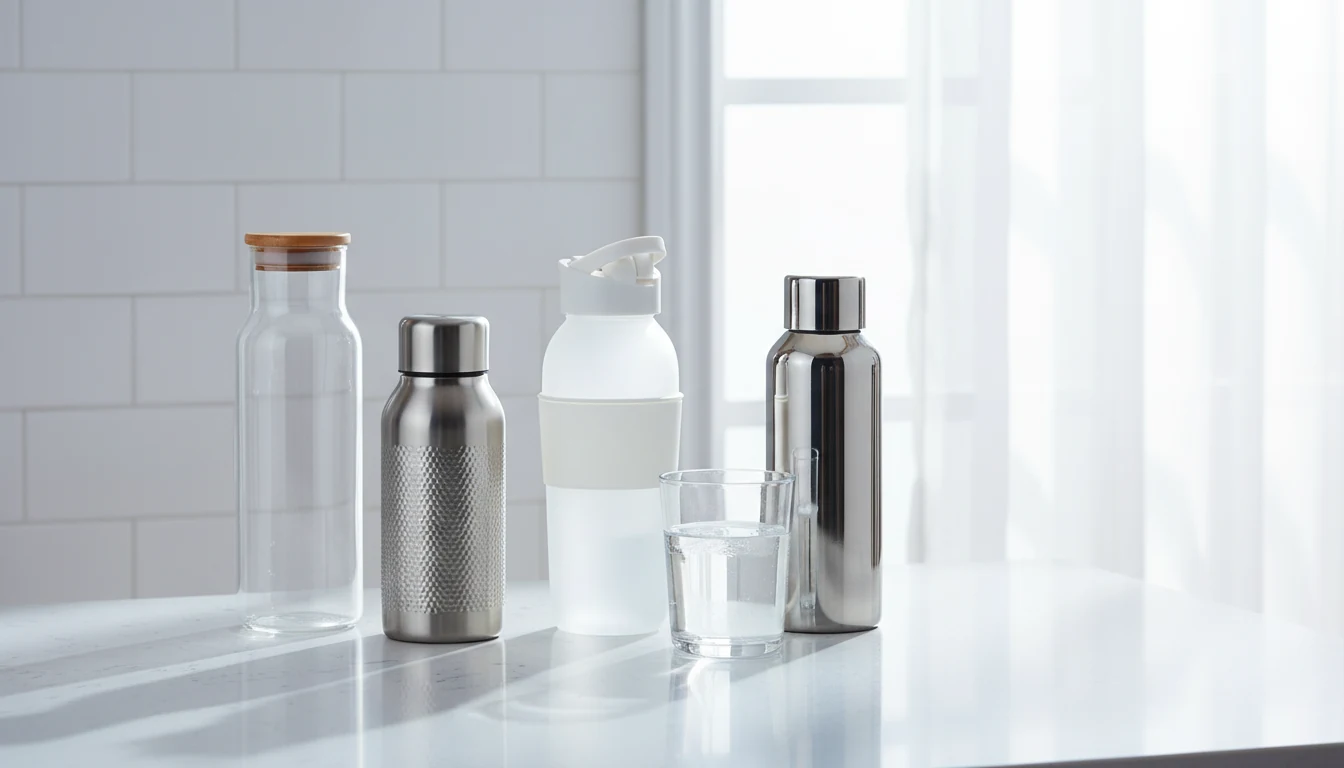
If you want to reduce single-use plastic, compare BPA-free reusable bottles, glass bottles, and stainless steel options before choosing.
As an Amazon Associate, Clean Water In Homes may earn from qualifying purchases.
Spring water can be good, but I want transparency and testing. Distilled water has its place, but I do not usually choose it as the main drinking water for a typical household.
The safest water is not the one with the prettiest label. It is the one that matches your actual water risk, has appropriate treatment, is stored properly, and fits the people drinking it.
FAQ
Is spring water safer than purified water?
Not automatically. Spring water can be safe and taste good, but it depends on the source, testing, treatment, and bottling practices. Purified water is often more consistent because it has been treated to remove impurities.
Is distilled water the same as purified water?
Distilled water is one type of purified water. All distilled water is purified through distillation, but not all purified water is distilled. Purified water may also be made with reverse osmosis, deionization, or other treatment methods.
Can I drink distilled water every day?
Many people can drink distilled water, but it may taste flat and may not be necessary for everyday use. If you have medical concerns or dietary restrictions, ask a qualified health professional.
Is bottled water better than tap water?
Sometimes, but not always. Bottled water can be convenient and useful in emergencies, but filtered tap water may be more economical and practical for daily use if your tap water is generally safe.
What is the safest water for babies?
Do not rely on a general blog article for infant feeding decisions. Ask your pediatrician and follow formula label instructions and local health guidance. In some situations, boiled and cooled water may be recommended; in others, sterile or specific bottled water may be advised.
What should I use if my tap water tastes like chlorine?
A carbon filter may help with chlorine taste and odor. Look for a filter with relevant certification and replace cartridges on schedule.