
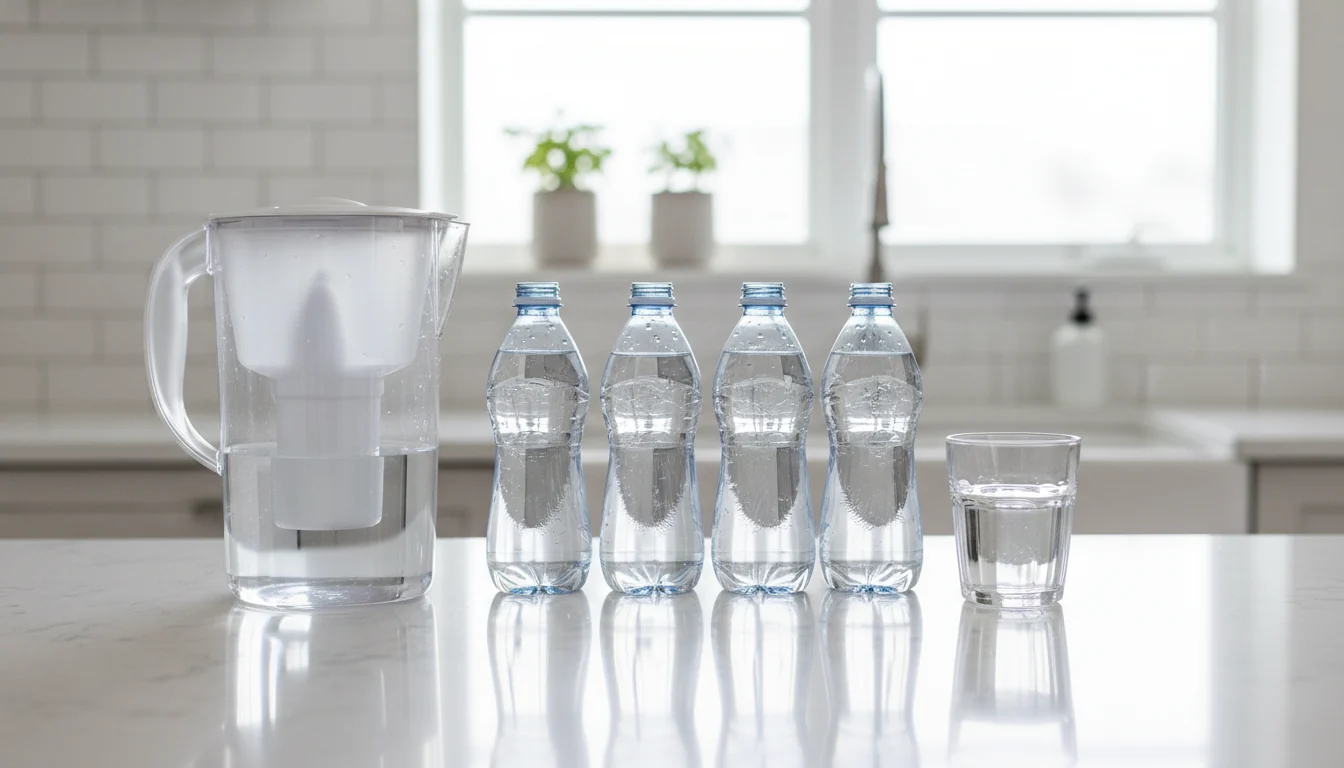
A water filter pitcher is one of the easiest ways to improve the taste of tap water without installing anything under the sink.
But is it actually worth it?
In many homes, yes. A pitcher can save money compared with bottled water, reduce plastic waste, and make tap water taste better. But it is not magic. A basic pitcher is not the same thing as a whole-house system, a reverse osmosis filter, or a certified lead-reduction setup.
Here is how I look at the real cost, the practical benefits, and the situations where a pitcher is the right first step — or where I would skip it and move to a stronger filter.
Read more: Best water filter pitchers for everyday use
Key Takeaways
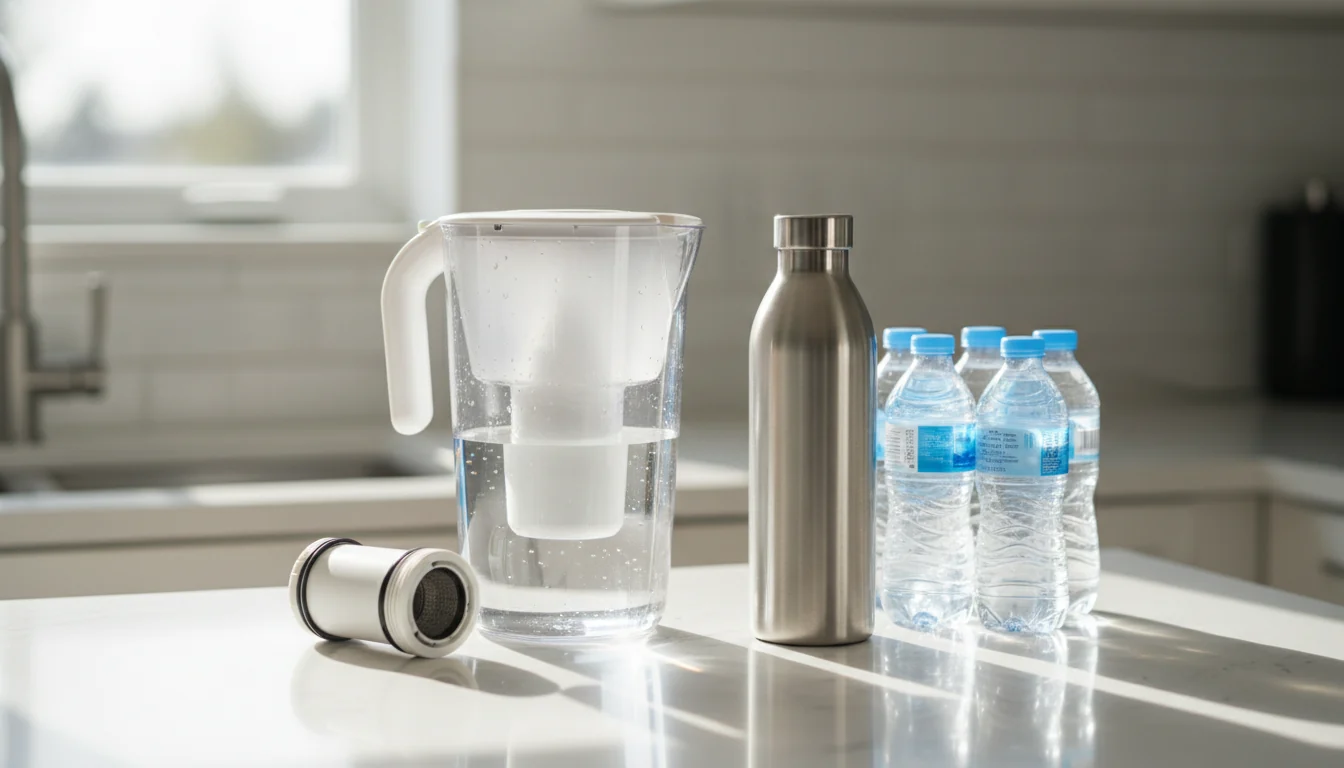
- Water filter pitchers are usually worth it if your main complaint is chlorine taste, odor, or the cost of bottled water.
- They are often cheaper than bottled water over time, even after buying replacement cartridges.
- Not every pitcher removes the same contaminants, so certification matters.
- Pitchers are slower and smaller than under-sink systems, which can be annoying for larger families.
- If you have lead, PFAS, well water bacteria, or a known contamination issue, choose a filter certified for that specific concern.
- A pitcher is a good starting point, but it is not the best solution for every home.
Quick Safety Disclaimer
This article is general home water education, not medical or public health advice. If your water has a known contamination issue, if you are under a boil-water notice, or if you are preparing water for an infant or immune-compromised person, follow your local health department and medical professional’s guidance.
What A Water Filter Pitcher Actually Does
Most filter pitchers use activated carbon, sometimes combined with ion exchange resin or other media. The water passes through a cartridge and collects in the pitcher.
Depending on the model, a pitcher may reduce:
- Chlorine taste and odor
- Some heavy metals
- Some industrial chemicals
- Some disinfection byproducts
- Some sediment or cloudiness
The phrase “depending on the model” is important. Two pitchers can look similar but perform very differently.
Some are mainly taste-and-odor filters. Others are certified for more serious contaminants such as lead or PFAS. If you care about more than taste, do not buy based on the package design alone. Look for certification against the contaminant you want reduced.
The Real Cost Of A Filter Pitcher
A pitcher has two costs:
- The pitcher itself
- Replacement filters
The pitcher is a one-time purchase. The filters are the ongoing cost.
Most households should judge the real value by cost per gallon, not just the price of the pitcher. A cheap pitcher with expensive short-life cartridges may cost more over time than a better pitcher with longer-lasting filters.
Before buying, check:
- How many gallons each filter is rated for
- How many people are in your home
- How much drinking and cooking water you use
- Whether replacement filters are easy to find
- Whether the filter has the certifications you need
Filter Pitcher vs Bottled Water: The Money Breakdown
Let’s keep this practical.
If your household buys bottled water every week, a pitcher usually saves money. Bottled water looks cheap when you buy one case, but the cost repeats constantly. Pitcher filters also repeat, but they usually produce many gallons per cartridge.
A filter pitcher becomes especially attractive if:
- You buy bottled water mainly because your tap water tastes bad
- You drink water at home every day
- You fill reusable bottles before work, school, or errands
- You want better-tasting coffee, tea, or ice
- You do not want to install an under-sink filter yet
The exact savings depend on local prices and how much water your family drinks. But the pattern is usually the same: bottled water is convenient in the moment, while filtered tap water is usually cheaper as a daily habit.
Read more: Bottled water vs filtered tap water cost guide
Where Pitchers Shine
Apartment And Rental Homes
If you rent, you may not want to drill into cabinets or change plumbing. A pitcher is portable and easy to take with you when you move.
Small Households
For one or two people, a pitcher can be enough. You refill it, keep it in the fridge, and use it for drinking water.
Chlorine Taste And Odor
This is the classic pitcher use case. If your water is technically safe but tastes like a swimming pool, a carbon pitcher can make a noticeable difference.
Budget-Friendly First Step
If you are not ready to spend money on a larger system, a pitcher lets you improve water taste for a lower upfront cost.
Where Pitchers Fall Short
Slow Filtering
Pitchers are not instant. If someone empties the pitcher and puts it back in the fridge empty, the next person has to wait.
Limited Capacity
Large families may outgrow a pitcher quickly. If you are constantly refilling it, an under-sink filter or countertop dispenser may be less annoying.
Cartridge Discipline
A pitcher only works properly when the filter is replaced on schedule. If you forget for months, you are not getting the performance you paid for.
Not Always Enough For Serious Contaminants
Some pitchers reduce lead, PFAS, or other contaminants. Some do not. If your water has a known issue, the pitcher must be certified for that issue. Otherwise, you may get better taste without solving the real problem.
When I Would Choose A Pitcher
I would choose a pitcher if the household says:
- “Our tap water tastes bad.”
- “We buy too much bottled water.”
- “We rent and need something simple.”
- “We want cold filtered water in the fridge.”
- “We are not ready for an under-sink system.”
For those cases, a pitcher is often worth it.
When I Would Upgrade To An Under-Sink Filter
I would consider an under-sink system if the household says:
- “We have a large family.”
- “We cook with filtered water every day.”
- “We hate refilling pitchers.”
- “We want filtered water from a dedicated faucet.”
- “We need stronger contaminant reduction.”
- “We want reverse osmosis.”
Under-sink filters cost more upfront, but they can be more convenient and may offer stronger filtration depending on the system.
Read more: Best under-sink water filters for busy families
What To Look For Before Buying A Pitcher
Certification
Look for independent certification against the contaminants you care about. Common standards may relate to taste and odor, lead reduction, PFAS reduction, or other specific claims. Do not assume every filter does everything.
Filter Life
A longer filter life can lower the hassle factor. But only trust the rated life if you replace it on time and use the filter as directed.
Replacement Filter Cost
Some pitchers are cheap because the brand expects to make money on cartridges. Check the cartridge price before you buy.
Pour Speed
High-performance filters can sometimes be slower. That may be worth it for better reduction claims, but it can annoy people who want quick refills.
Pitcher Size
A small pitcher fits easily in the fridge but runs out faster. A large dispenser takes more space but works better for families.
Contaminant Claims
Ignore vague phrases like “cleaner water” unless the brand explains what is actually reduced. Specific claims are better than broad marketing.
The Hidden Benefit: Less Plastic Waste
I do not like guilt-based water advice, but this part is real. If a pitcher helps your household stop buying cases of single-use bottles, that is a practical win.
You still have cartridge waste, but far less plastic volume than dozens or hundreds of disposable bottles.
A reusable bottle plus a pitcher is one of the simplest habit changes for families trying to spend less and throw away less.
The Hidden Risk: Buying The Wrong Pitcher
The biggest mistake is buying a basic taste filter when your concern is a specific contaminant.
If you are worried about lead, buy a filter certified to reduce lead. If you are worried about PFAS, buy one certified for PFAS reduction. If you are on a private well and concerned about bacteria, a normal pitcher is not the right answer.
For private wells, regular testing is important. A filter should be chosen based on actual test results, not guesswork.
Read more: What to test for in private well water
My Practical Verdict
Water filter pitchers are worth it for many homes, especially if bottled water has become a weekly expense.
Compare reusable bottle options and home water filters side by side before choosing your next step.
As an Amazon Associate, Clean Water In Homes may earn from qualifying purchases.
They are affordable, easy to use, and good for improving taste. They are also a simple way to move away from single-use bottled water.
But I would not oversell them. A pitcher is a tool, not a universal solution. Match the pitcher to your water problem, replace the cartridge on time, and upgrade if your household needs more capacity or stronger filtration.
FAQ
Are water filter pitchers cheaper than bottled water?
Usually, yes, especially for households that buy bottled water every week. The exact savings depend on bottled water prices, cartridge costs, and how much water you drink.
Do filter pitchers remove lead?
Some do, and some do not. Look for a pitcher certified for lead reduction if lead is your concern. Do not assume a basic carbon pitcher handles lead.
Do water filter pitchers remove PFAS?
Some pitchers are certified to reduce certain PFAS compounds, but many are not. Check the certification and performance data before buying.
How often should I replace pitcher filters?
Follow the manufacturer’s gallon rating or time-based schedule, whichever comes first. If your household uses a lot of water, you may need to replace filters more often.
Is filtered pitcher water safe for babies?
Ask your pediatrician and follow infant formula instructions. A pitcher is not the same as sterile water, and it may not be appropriate in every situation.
Should I get a pitcher or an under-sink filter?
Choose a pitcher for low upfront cost and simple taste improvement. Choose an under-sink filter if you want more capacity, less refilling, or stronger filtration options.