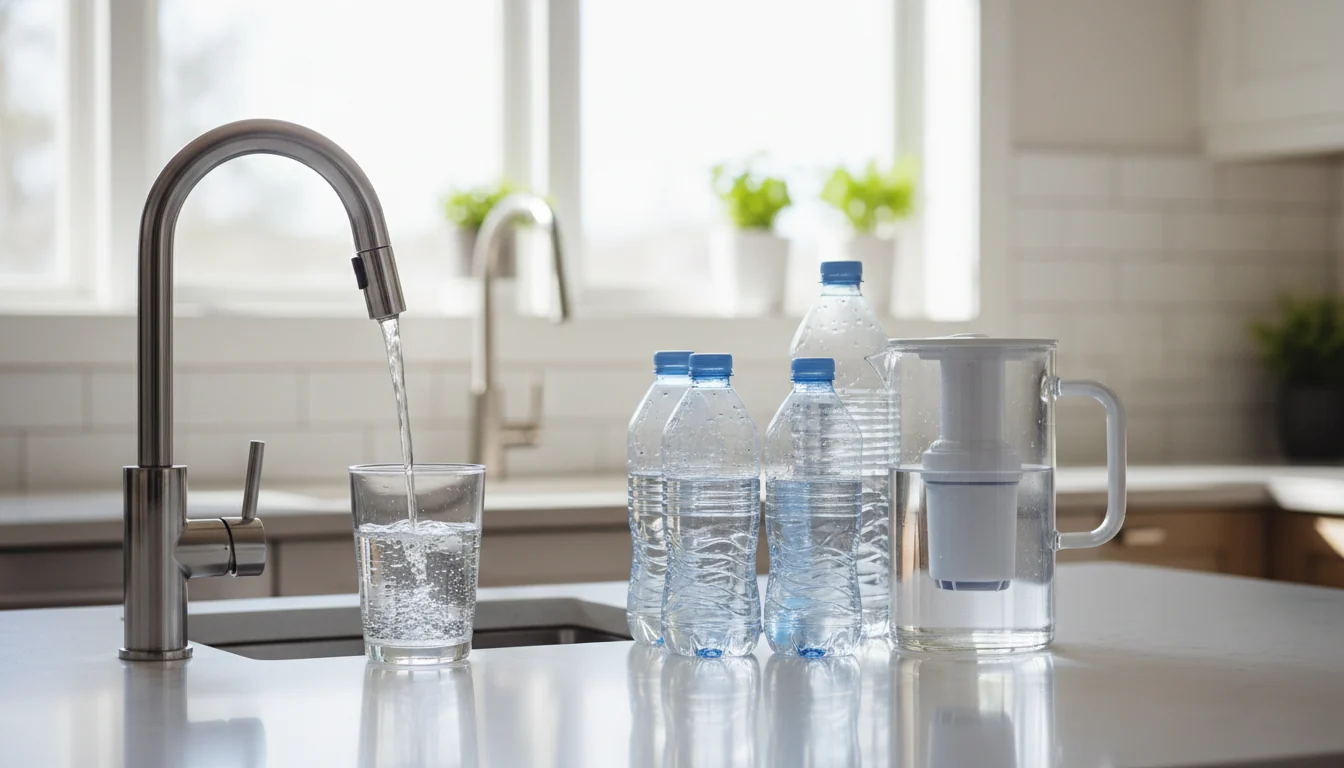
When someone asks me is tap water or bottled water safer, I never answer with a blanket yes or no. The safer choice depends on where you live, how your water is regulated, how bottles are stored, and what contaminants you are trying to avoid.
I’ve used both. I drink filtered tap water most days, but I still keep bottled water for emergencies. That is why is tap water or bottled water safer is really a situation question, not a brand loyalty question.
In this guide, I’ll walk through is tap water or bottled water safer using practical checks: regulation, contaminants, taste, microplastics, storage, cost, and home filtration. My goal is to help you make a calm choice for your household.
Key Takeaways
- Municipal tap water is regulated by the EPA in the United States, while bottled water is regulated by the FDA; both systems have rules and limitations.
- Bottled water can be useful for emergencies and travel, but it adds plastic contact, waste, and storage concerns.
- Tap water can be safer and cheaper when the local supply is well-managed and your home plumbing is not adding contaminants.
- Private wells are different; owners are responsible for testing and treatment.
- A certified home filter can make tap water more practical, but it must match your water concerns and be maintained.
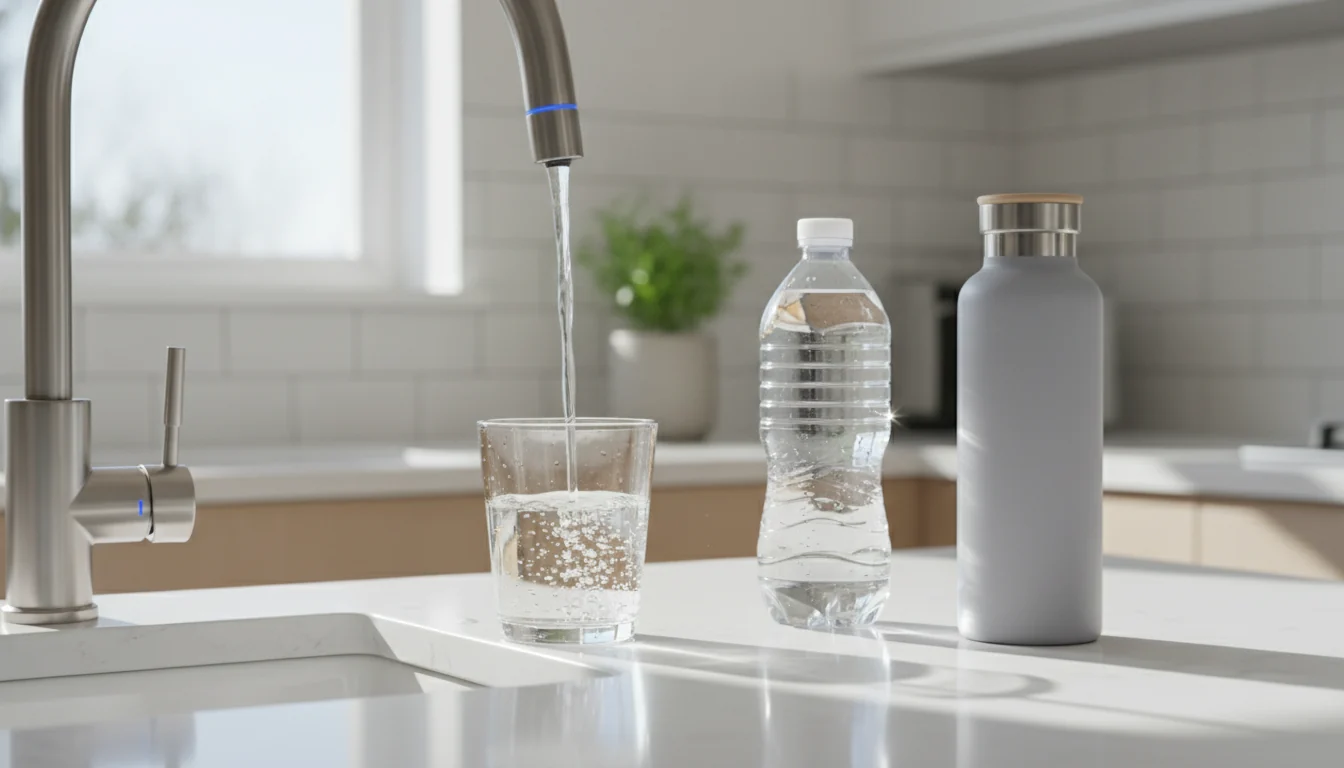
The Short Answer: It Depends On The Water
Municipal Tap Water
In the U.S., public tap water systems are regulated under EPA drinking-water rules. Utilities publish annual Consumer Confidence Reports that list detected regulated contaminants and compliance information.
That does not mean every tap is perfect. Old plumbing, lead service lines, local incidents, and taste issues can still matter at the household level.
Bottled Water
Bottled water is regulated as a packaged food by the FDA. It can come from different sources and may be treated in different ways before bottling.
I do not assume bottled water is automatically safer. I want to know the source, treatment, storage conditions, and whether the bottle has been exposed to heat.
Private Wells
Private wells are the big exception to simple tap-water advice. If you own a well, testing is your responsibility, and safety depends on your geology, well construction, nearby land use, and maintenance.
Regulation And Testing Compared
Who Oversees What
Tap and bottled water follow different regulatory paths. That difference matters, but neither path removes the need for common sense.
| Water Type | Main Oversight | What To Check |
|---|---|---|
| Municipal tap water | EPA rules and state primacy agencies | Consumer Confidence Report, local notices, home plumbing |
| Bottled water | FDA bottled water rules | Source, treatment, storage, quality report if available |
| Private well water | Homeowner responsibility | Lab testing, well inspection, local health guidance |
Reports I Actually Read
For tap water, I read the annual report and search for local advisories. For bottled water, I look for brand water quality reports, but I also consider packaging and storage.
Testing At The Tap
If you have older plumbing, a lead concern, taste changes, or a private well, testing the water at your own tap can be more useful than debating tap versus bottled in general.
The safest water choice is local, specific, and verified — not assumed.
Contaminants That Change The Answer
Lead And Plumbing
Lead usually comes from service lines or household plumbing, not the water source alone. If you have lead risk, use certified treatment, flushing guidance, and local replacement programs where available.
Microbes
Boil-water notices, floods, and well contamination can make bottled water the safer temporary choice. Follow local emergency guidance.
PFAS, Nitrates, Arsenic, And Other Concerns
Some contaminants are location-specific. Private wells may need nitrate, arsenic, bacteria, and other testing. Municipal systems may have PFAS or disinfection byproduct concerns depending on area.
This isn’t medical advice — consult a professional if you have health concerns.
Microplastics And Packaging
Bottled Water Contact Points
Bottled water spends time in plastic containers, caps, transport, warehouses, and sometimes hot cars. That does not prove every bottle is unsafe, but it adds contact points.
Tap Water Contact Points
Tap water can encounter plastic in plumbing, filter housings, faucet parts, and storage containers. The path is different, not automatically plastic-free.
My Storage Rule
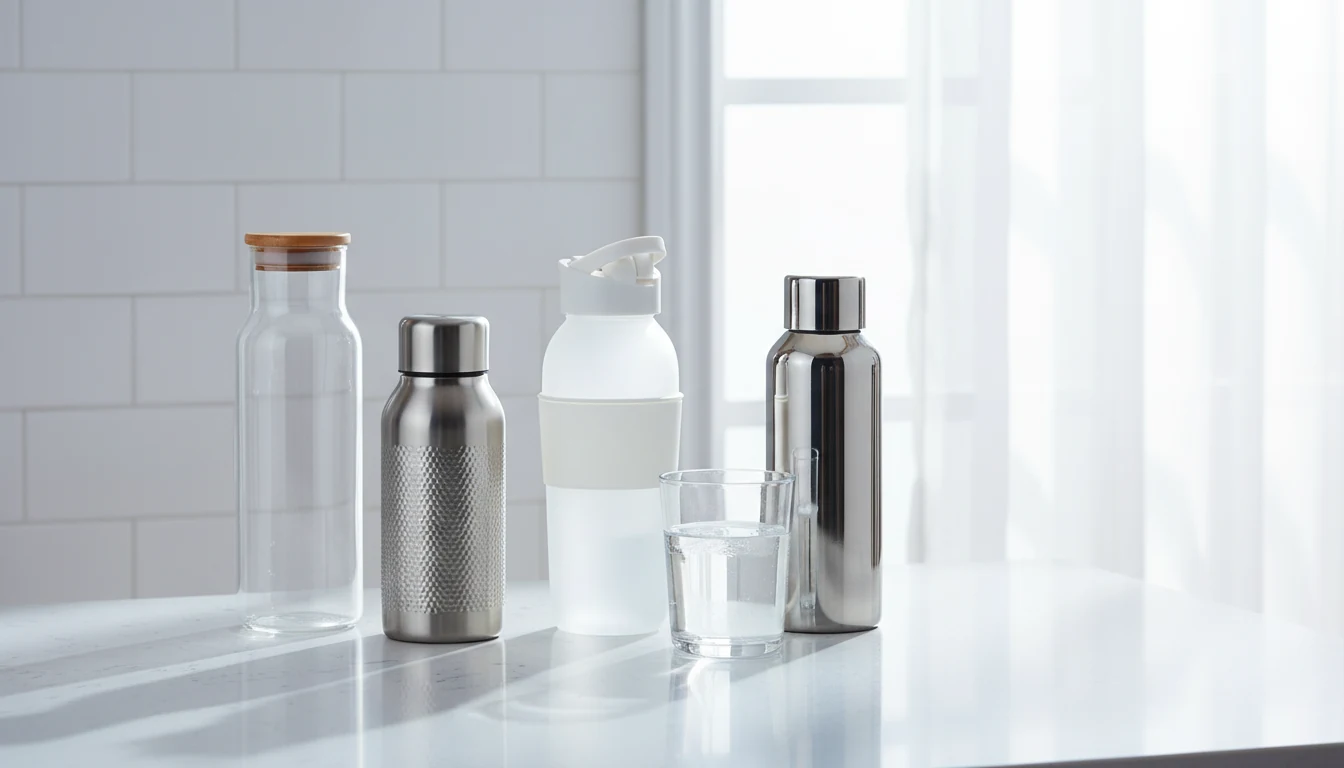
I keep emergency bottled water cool, shaded, and rotated. I do not store it in a hot garage or car. For daily water, I prefer filtered tap water in glass or stainless steel.
| Factor | Tap Water | Bottled Water |
|---|---|---|
| Plastic contact | Depends on plumbing, filters, storage | Bottle and cap contact are built in |
| Waste | Low if used from tap | Higher packaging waste |
| Emergency convenience | Needs safe supply and container | Very convenient short term |
READ MORE Microplastics In Bottled Water Bottled Water & Safer Bottles
Taste, Smell, And Everyday Trust
Taste Is Not A Safety Test
Good-tasting water can still contain contaminants, and odd-tasting water is not always dangerous. Taste is a clue, not a lab result.
Chlorine Taste
Municipal water may taste chlorinated because disinfectant protects the distribution system. A carbon filter often improves taste, but it must be replaced on schedule.
My First-Hand Comparison
When I switched from cases of bottled water to an under-sink carbon filter, my family drank more water because it tasted better and was easier to reach. The biggest win was consistency, not perfection.
Cost Comparison
Daily Drinking Cost
Tap water is usually much cheaper than bottled water. A filter adds cost, but bottled water adds recurring purchase, storage, and disposal burdens.
Emergency Cost
Bottled water is worth keeping for emergencies. I treat it like a preparedness item, not my everyday default.
Filter Cost
A pitcher or under-sink filter can be cost-effective if you replace cartridges properly. Ignored filter maintenance can erase the benefit.
| Choice | Cost Pattern | Best Fit |
|---|---|---|
| Plain tap water | Lowest ongoing cost | Good local supply, no household plumbing concern |
| Filtered tap water | Moderate cartridge cost | Daily drinking, taste, targeted reduction |
| Bottled water | Highest recurring cost | Emergency, travel, temporary advisories |
How To Decide For Your Home
Step List: My Tap Water Safety Check
- Find your water source: municipal system or private well.
- Read the latest water quality report or arrange well testing.
- Check for local advisories, lead service line information, and recent violations.
- Inspect your home plumbing age and fixtures.
- Choose a certified filter only for the issues you actually need to address.
Step List: My Bottled Water Safety Check
- Read the label for source and treatment clues.
- Store bottles cool and out of sunlight.
- Avoid bottles that are warped, damaged, or heat-exposed.
- Rotate emergency supplies.
- Use reusable glass or stainless containers for daily drinking when practical.
Bottled water is a useful backup, but convenience should not be mistaken for automatic superiority.
When Bottled Water Is The Safer Choice
During Advisories
If authorities issue a do-not-drink or boil-water notice and recommend bottled water, follow that guidance. Emergencies change the calculation.
When Traveling
In unfamiliar areas, bottled water may be the practical choice, especially if local water safety is uncertain.
For Specific Medical Instructions
If a clinician gives you water guidance for a medical situation, follow it and ask for clarification when needed. This isn’t medical advice — consult a professional if you have health concerns.
When Tap Water Is The Safer Choice
Well-Managed Municipal Water
If your public water system is compliant, transparent, and your home plumbing is not adding contaminants, tap water can be a strong daily choice.
With The Right Filter
A certified filter can improve taste and reduce specific contaminants. I like filters with clear NSF/ANSI claims and easy replacement schedules.
For Environmental Reasons
Filtered tap water reduces single-use packaging. Over months, that difference is visible in the recycling bin and shopping budget.
READ MORE Home Water Testing Basics Home Water Quality & Safety
Common Mistakes To Avoid
Assuming Clear Water Is Safe
Clear water can still have invisible contaminants. Use reports and testing.
Assuming Bottled Means Pure
Bottled water can be safe, but it is not magic. Source, treatment, and storage all matter.
Forgetting The Container
I once left a case of bottled water in a hot trunk after a weekend trip. The bottles looked fine, but I stopped drinking them because heat exposure is an avoidable risk.
Water safety is not a label. It is a chain from source to glass.
Is Tap Water Or Bottled Water Safer For Daily Use?
My Daily Choice
For my home, filtered tap water is the daily winner. It is convenient, lower waste, and easier to keep consistent.
My Backup Choice
I still keep bottled water for power outages, plumbing repairs, and advisories. I store it carefully and rotate it.
If you want to reduce single-use plastic, compare BPA-free reusable bottles, glass bottles, and stainless steel options before choosing.
As an Amazon Associate, Clean Water In Homes may earn from qualifying purchases.
The Balanced Answer
If your tap water is well-regulated and your plumbing is sound, tap water with the right filter is often the better daily choice. If your supply is compromised, bottled water may be safer temporarily.
FAQ
Is bottled water safer than tap water for babies?
It depends on the water, formula instructions, and medical guidance. Ask a pediatrician and follow local water advisories, especially for infants.
Does boiling tap water make it safer than bottled water?
Boiling can address many microbial concerns but does not remove chemicals such as lead, PFAS, or nitrates. Follow local guidance.
Should I filter bottled water too?
Usually that is not necessary for routine use, but it depends on why you are using bottled water. For daily drinking, a good tap-water filter may be more practical.
Is private well water safer than bottled water?
Only if it is tested and maintained. Private well owners should test for local concerns and treat based on results.
Conclusion
My Personal Considerations
When I answer is tap water or bottled water safer, I look at the actual source, the container, the plumbing, and the reason for drinking it. The safest choice changes during emergencies, travel, and local water issues.
My Final Recommendation
Use tap water confidently when your local supply and home plumbing check out, improve it with a certified filter when needed, and keep bottled water as a well-stored backup. That balanced routine has served my home better than choosing one side forever.