
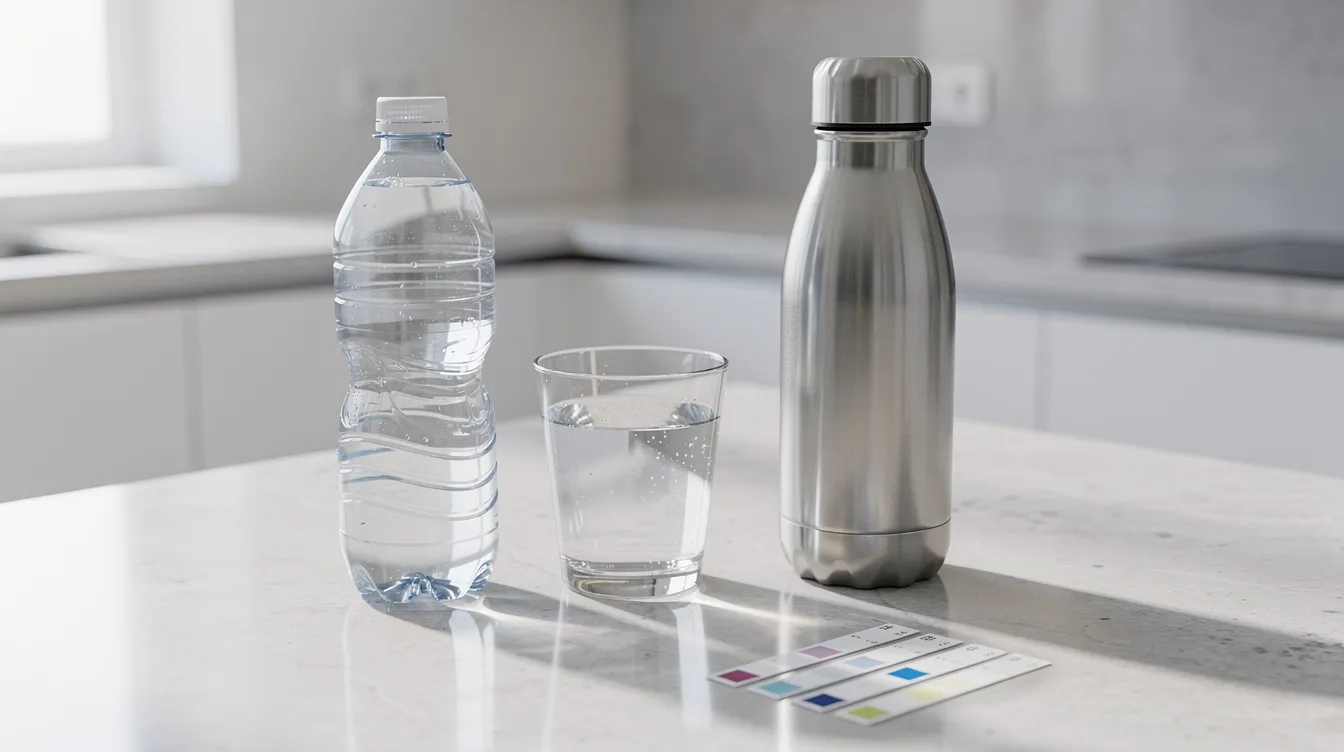
I do not treat bottled water brands as automatically good or bad. I look at the source, the treatment process, the packaging, and whether the brand gives enough detail for a normal shopper to make a calm decision. That is the lens I use for Is Dasani Safe to Drink.
Dasani is a purified bottled water brand, and the big question is not only “is the water clean?” It is also whether buying single-use plastic bottles every day is the smartest long-term choice for your home, budget, and plastic exposure concerns.
My honest view: an occasional Dasani bottle is not the same thing as a daily clean-water strategy. For daily use, I would rather test my tap water, use the right filter if needed, and carry water in a bottle I can clean properly.
Key Takeaways
- Dasani is purified water with added minerals for taste.
- The bigger concern for many homes is repeated single-use plastic reliance.
- Microplastic research is still developing, so I avoid fake certainty.
- A certified home filter may be more practical for daily drinking.
- A reusable bottle only helps if you clean it consistently.
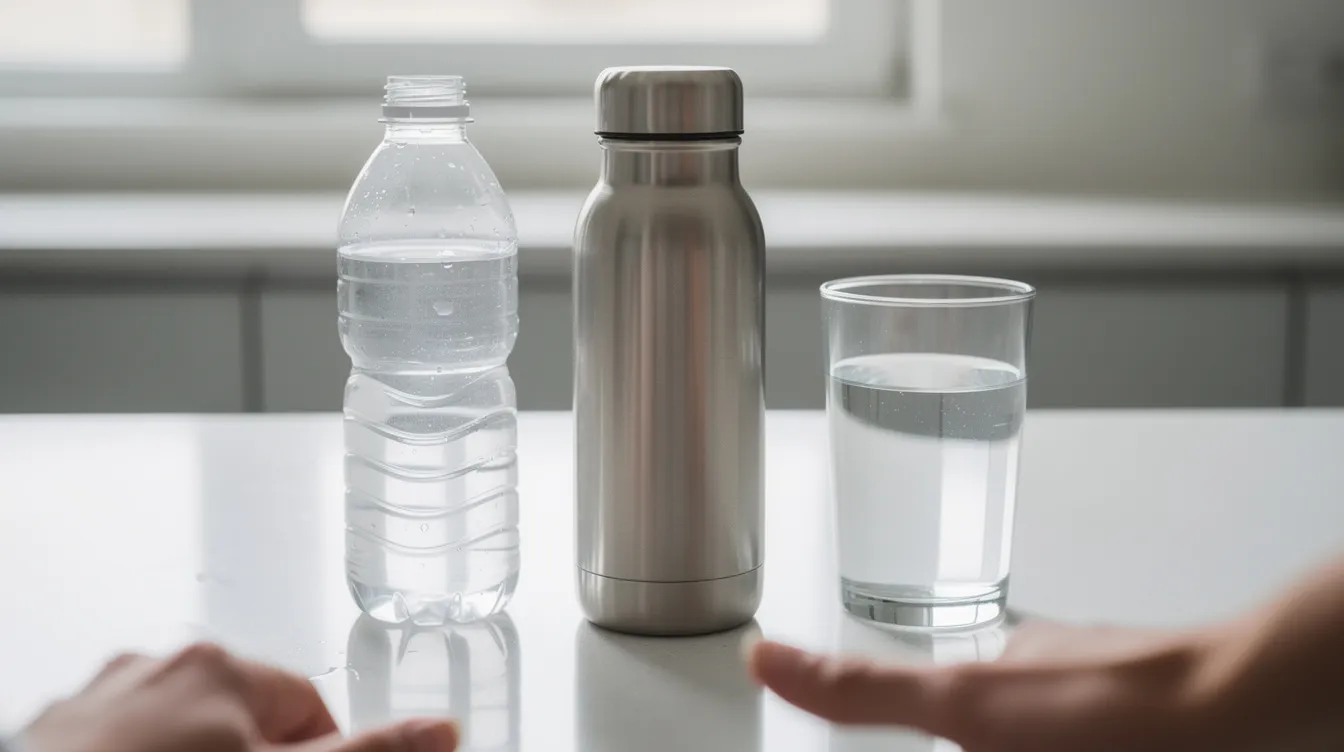
What Dasani Actually Is
Purified water, not spring water
Dasani is generally positioned as purified water. That means the selling point is treatment and consistency, not a romantic mountain spring story. I do not see that as a problem by itself, but shoppers should understand the difference.
Purified water is often treated through processes such as reverse osmosis or similar purification steps, then minerals may be added back for taste. That can produce a clean, predictable flavor, but it does not make the bottle automatically better than a good home filtration setup.
Added minerals and taste
Some people like Dasani because it tastes crisp; others dislike the mineral profile. Taste is personal, but if you are comparing safety, taste should not be your only metric.
A clean-water decision should start with evidence, not bottle design.
Packaging: The Part Most People Ignore
Plastic bottle dependence
My biggest concern with daily bottled water is usually not one specific brand. It is the habit of relying on single-use plastic bottles when a tested tap-and-filter setup might do the job with less waste.
Plastic bottles can be convenient during travel, emergencies, and long days away from home. But if they become the main household drinking source, cost and waste add up quickly.
Heat and storage
I avoid leaving bottled water in hot cars or sunny windows. Heat does not turn every bottle into a crisis, but poor storage is an unnecessary risk and can affect taste.
| Question | What I Check | Why It Matters |
|---|---|---|
| Source claim | Is it purified, spring, mineral, or distilled? | The label tells you what kind of product you are buying. |
| Packaging | PET plastic, glass, carton, or reusable bottle | Packaging affects waste, taste, and convenience. |
| Daily cost | Cost per gallon vs. filtered tap water | Bottled water gets expensive as a daily habit. |
Microplastics: What I Would and Would Not Claim
Evidence is still developing
Microplastics have been found in many environments, including water systems and packaged beverages. But I do not invent brand-specific lab results unless a reliable test is directly available.
So I would not claim that Dasani is uniquely unsafe based on fear. I would say that anyone trying to reduce plastic exposure should think about overall plastic-bottle use, storage habits, and alternatives.
Practical reduction steps
- Use bottled water for convenience, not as your only plan.
- Store bottles cool and out of direct sunlight.
- Test your home water so you know what you are solving.
- Compare filters certified for your concern, such as NSF/ANSI claims where relevant.
- Use a clean reusable bottle for everyday carry.
For a practical first step, see my guide on how to test tap water at home.
Dasani vs. Filtered Tap Water
Where bottled water wins
Bottled water wins on convenience. If I am traveling, stuck somewhere without a refill station, or preparing for a storm, packaged water can be useful.
Where filtered tap water wins
For everyday use, filtered tap water often wins on cost, control, and less plastic waste. The important part is matching the filter to your actual water issue, not buying the first pitcher you see.
| Option | Pros | Cons |
|---|---|---|
| Dasani bottled water | Convenient and consistent taste | Single-use plastic and recurring cost |
| Filtered tap water | Lower daily cost and less packaging | Requires testing and filter maintenance |
| Glass or stainless bottle | Reusable and easy to carry | Must be cleaned well |
My Bottom Line
When Dasani makes sense
Dasani can make sense as a convenience bottle, emergency backup, or occasional purchase. I would not panic over one bottle.
When I would choose another route
If your family drinks bottled water every day because you distrust the tap, I would test the tap and compare filtration options. That gives you a cleaner long-term system than guessing from brand labels.
How I Would Compare Dasani Against Other Bottled Water Brands
Start with the label, then the habit
When I compare a brand like Dasani, I do not stop at the front label. I look at whether the bottle is plastic, whether the source and treatment are explained clearly, and whether I am buying it because it solves a real need or because it is simply available at the checkout counter.
That distinction matters because a bottle can be perfectly convenient and still be a poor daily system. If a family is buying cases every week, the real decision is not Dasani versus another single bottle. It is bottled water versus a tested home setup.
What I would not overstate
I would not write a scare article claiming one bottled water brand is dangerous unless there is reliable current evidence behind that claim. That is not how I want Clean Water In Homes to sound. The stronger angle is practical: reduce avoidable plastic reliance, store bottles properly, and understand what you are paying for.
The best brand review does not panic the reader; it helps them make a calmer water decision.
When a Home Filter Becomes the Better Answer
The daily-use calculation
If you drink bottled water once in a while, the cost is minor. If you drink it every day, the price per gallon becomes much harder to justify. That is where a pitcher, under-sink filter, or reverse osmosis setup may start to make more sense.
I would compare the filter by its certified reduction claims, replacement cartridge cost, and how easy it is to maintain. A filter that nobody replaces on schedule is not a clean-water solution.
My simple decision rule
- If the issue is taste, compare carbon filtration first.
- If the issue is lead or specific contaminants, look for the exact NSF/ANSI claim.
- If the issue is general distrust of tap water, test the water before choosing.
- If the issue is convenience, build a refill routine with a bottle you enjoy carrying.
How to Read a Bottled Water Label Without Getting Distracted
Source language matters
When I pick up a bottled water brand, I look for the source language first. “Purified water,” “spring water,” “mineral water,” and “artesian water” are not the same claim. They tell you where the water comes from or how it was treated before bottling.
For Dasani, the key point is that it is a purified water product with minerals added for taste. That can be perfectly understandable as a product, but it should not be confused with a natural mineral water or a glass-bottled spring water.
Treatment details matter more than slogans
Marketing language is usually designed to make water feel fresher, cleaner, or more premium. I care more about the treatment process and packaging. If a brand is vague about both, I treat it as a convenience product rather than a long-term clean-water plan.
Storage matters after purchase
Even if the water itself is treated, storage still matters. I avoid cases of bottled water that have been sitting in direct sun or stored somewhere hot. That is a simple habit, but it is one of the easiest ways to reduce avoidable quality concerns.
Who Might Still Choose Dasani?
Travel and emergency convenience
There are times when bottled water is useful. If you are traveling, dealing with a boil-water notice, stocking a short-term emergency supply, or stuck somewhere without a trusted refill option, a sealed bottle can be convenient.
The mistake is turning convenience into your only household water strategy. If your family drinks bottled water every day, it is worth asking what you are trying to avoid in your tap water and whether a tested filter could solve that more affordably.
Workplaces and events
Dasani and similar brands also show up in offices, gyms, hotels, and events. In those settings, the practical choice may be between taking the bottle or going thirsty. I do not think that needs to become a fear-based decision.
Better Long-Term Alternatives to Daily Bottled Water
Filtered tap water
For most homes, the strongest alternative is tested tap water plus a filter matched to the actual concern. If taste is the issue, activated carbon may be enough. If lead, PFAS, or other specific contaminants are the concern, the filter needs the right certification and reduction claim.
Reusable bottles
A reusable bottle only works if it is easy to clean and pleasant to use. I prefer wide-mouth stainless steel or glass for many daily routines because they are easier to scrub than narrow plastic bottles with complicated lids.
Still comparing? If brand-specific bottled water worries you, reusable BPA-free or stainless bottles can reduce plastic-bottle dependence.
Amazon Associate disclosure: we may earn from qualifying purchases.
When reverse osmosis makes sense
Reverse osmosis may be worth comparing if you want a more thorough under-sink drinking-water system. It is not necessary for every household, and it can waste some water depending on the system, but it gives more control than buying random cases of bottled water.
FAQ
Is Dasani tap water?
Dasani is purified water, often associated with municipal sources that are treated and adjusted for taste. The important point is that it is not marketed as natural spring water.
Does Dasani contain microplastics?
I would not make a brand-specific claim without current lab evidence. Plastic-packaged water can be part of broader microplastic concerns, so reducing single-use plastic is a reasonable practical step.
Is filtered tap water better than Dasani?
It depends on your tap water and filter. If your water is tested and your filter is matched to the problem, filtered tap water can be a cheaper and less wasteful daily choice.
Conclusion
My personal take
I see Dasani as a convenience product, not a complete home water strategy.
Final recommendation
Use it when convenience matters, but build your daily routine around tested water, appropriate filtration, and a reusable bottle you will actually clean.