
Quick answer
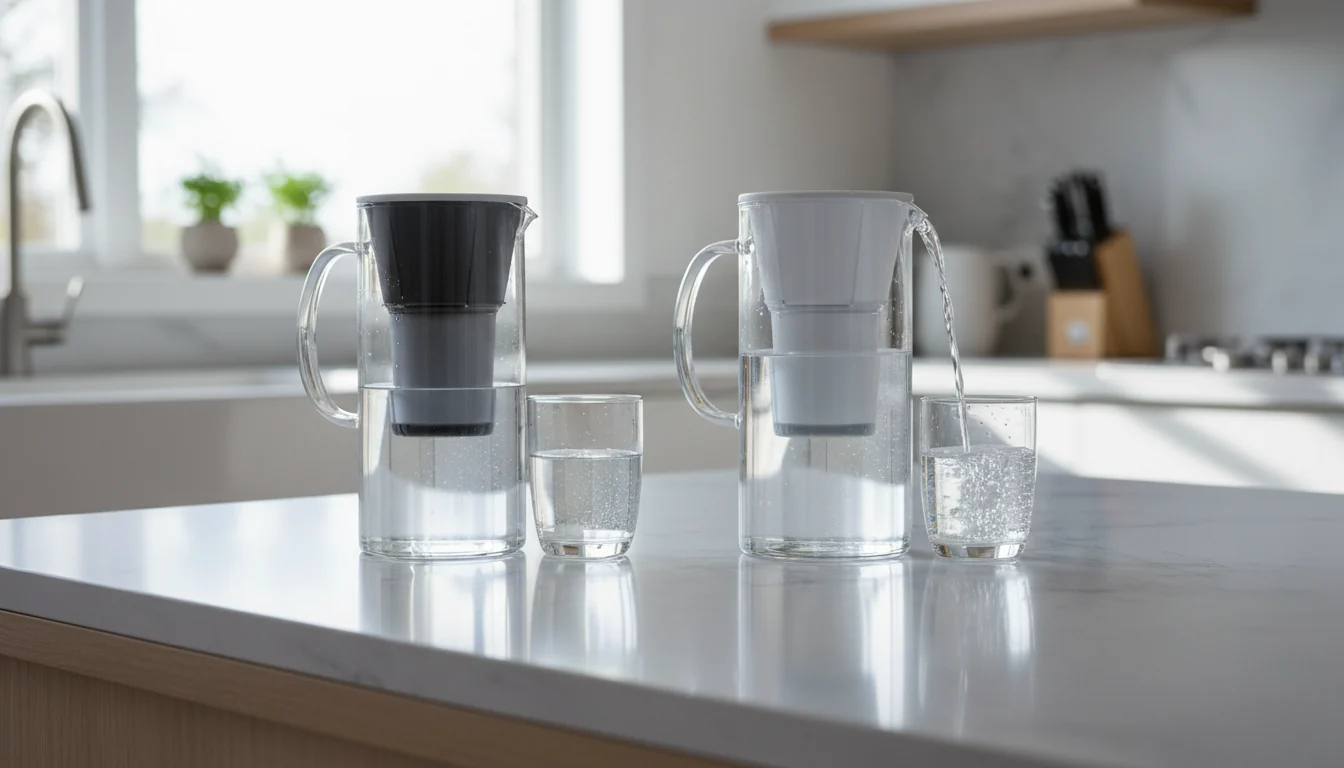
ZeroWater is usually the better choice if your priority is reducing total dissolved solids, often called TDS, and you are willing to replace filters more often. Brita is usually the better choice if you want improved taste, easier everyday use, faster filtering, and lower ongoing cost. The better pitcher depends on what you dislike about your tap water.
I think of ZeroWater as the more aggressive pitcher and Brita as the more convenient pitcher. That does not make one automatically better. It makes them better for different households.
What ZeroWater is known for
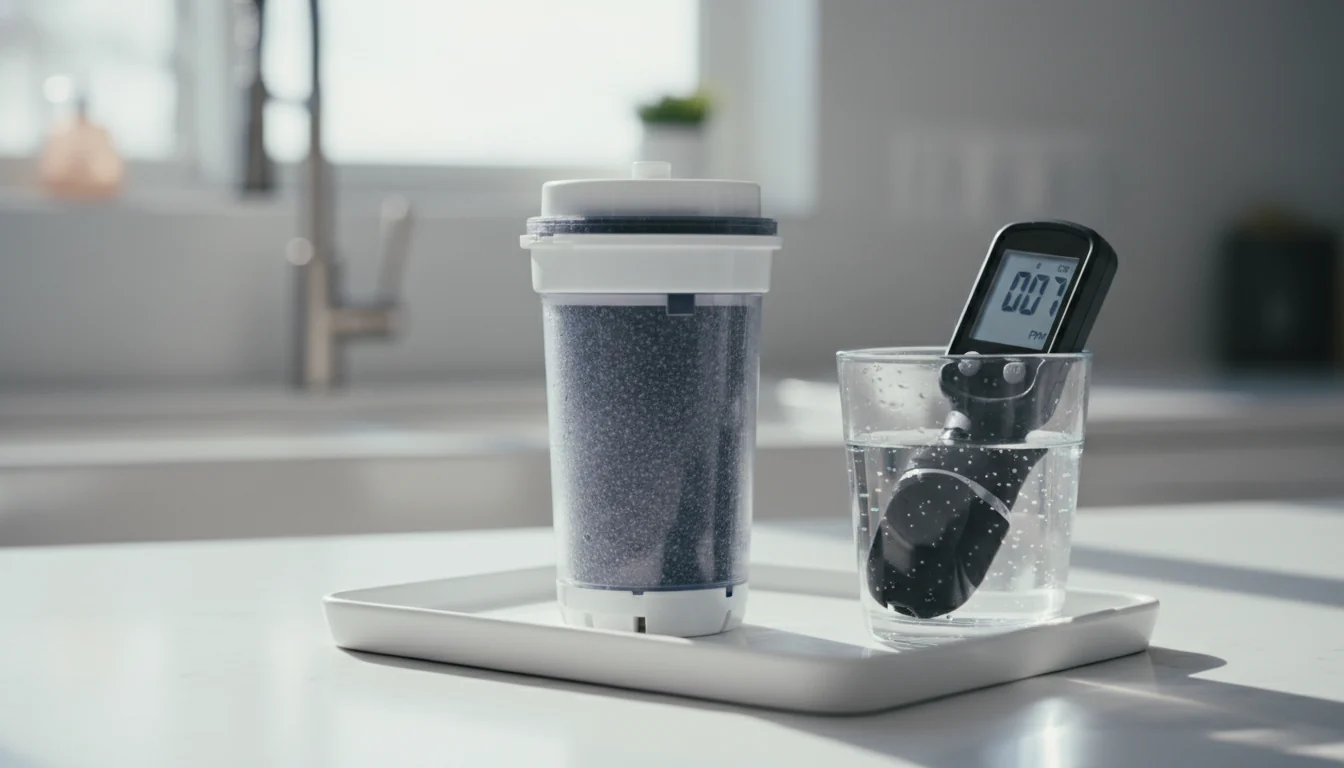
ZeroWater pitchers use a multi-stage filter that includes ion exchange media and are marketed around reducing dissolved solids. Many packages include a TDS meter, which can be useful for seeing when the filter is exhausted.
The advantage is a very noticeable reduction in dissolved solids when the filter is fresh. The tradeoff is filter life. If your tap water starts with high TDS, the cartridge may be used up faster than you expect.
What Brita is known for
Brita pitchers are common, affordable, and easy to find. Depending on the cartridge, they are typically used for chlorine taste and odor, and some models target additional contaminants. Brita filters generally do not reduce TDS the way ZeroWater does, and that is not their main purpose.
The advantage is convenience: cartridges are widely available, filtering is often faster, and cost per replacement can be easier to live with.
Taste comparison
Taste is personal. If your tap water tastes strongly of chlorine, a Brita may make a big improvement. If your water has a mineral-heavy taste, ZeroWater may taste cleaner because it reduces more dissolved solids. Some people find very low-TDS water tastes flat. Others love it.
If possible, buy based on your actual water complaint rather than brand loyalty.
Filter life and cost
This is where the decision often becomes obvious. ZeroWater filter life depends heavily on starting TDS. High-mineral water can exhaust the filter quickly. Brita filters may last longer for typical taste-and-odor use, though exact life depends on the cartridge and usage.
Before buying either pitcher, price replacement filters. A pitcher that seems cheap upfront can become expensive if you replace cartridges constantly.
Speed and daily convenience
Brita pitchers are often easier for families because they filter at a practical pace and are simple to refill. ZeroWater can be slower, especially as the filter ages. If your household drinks a lot of water, slow filtering can become annoying.
A large dispenser may help, but it takes fridge space.
TDS explained carefully
TDS stands for total dissolved solids. It is a broad measurement of dissolved minerals and ions in water. Lower TDS does not automatically mean safer water, and higher TDS does not automatically mean unsafe water. It is one clue, not a complete water quality test.
A TDS meter cannot tell you whether water contains lead, bacteria, nitrate, or many other specific concerns. If safety is the question, use proper testing.
Certifications and claims
Both brands may offer different products and cartridges with different certifications. Check the exact model you plan to buy. Look for performance data and NSF/ANSI certifications that match your concern. Do not assume every pitcher from the same brand has identical reduction claims.
Which should you choose?
Choose ZeroWater if you dislike mineral taste, want very low TDS water from a pitcher, and accept potentially higher cartridge cost. Choose Brita if your main issue is chlorine taste, you want easier maintenance, and you prefer lower everyday cost.
For well water, I would test first. Pitchers are not a substitute for treating bacteria or serious well concerns.
Maintenance tips
Wash the pitcher regularly, keep the reservoir clean, and replace filters on schedule. For ZeroWater, use the included meter if provided and follow the brand’s replacement guidance. For Brita, track time and gallons as best you can.
Do not let water sit for days in the pitcher. Fresh filtered water tastes better.
FAQ
Does ZeroWater remove more than Brita?
ZeroWater is designed to reduce TDS much more than standard Brita pitchers. For specific contaminants, compare certifications for the exact models.
Is low TDS water always better?
No. TDS is not a full safety measure. It mostly tells you about dissolved solids, not every possible contaminant.
Is Brita enough for city water?
For many people who mainly dislike chlorine taste, Brita can be enough. If you have specific concerns like lead, choose a cartridge certified for that issue.
Which pitcher is cheaper to maintain?
Brita is often cheaper for everyday use, especially in high-TDS areas. Check current cartridge prices and expected life.
My bottom line
In the ZeroWater vs Brita choice, I would pick ZeroWater for low-TDS taste and Brita for everyday convenience. If you are trying to solve a safety concern, do not rely on brand reputation alone. Test the water when needed and match the filter to the result.