
Quick answer
A rotten egg smell in water is commonly linked to hydrogen sulfide gas, certain bacteria, or reactions inside a water heater. The smell may be only in hot water, only at one faucet, or throughout the home. That pattern tells you where to look first.
I take rotten egg odor seriously enough to investigate, but I do not assume the worst immediately. Sometimes it is a water heater anode rod issue. Sometimes it is well water chemistry. Sometimes it is a drain odor mistaken for water odor.
First, confirm it is the water
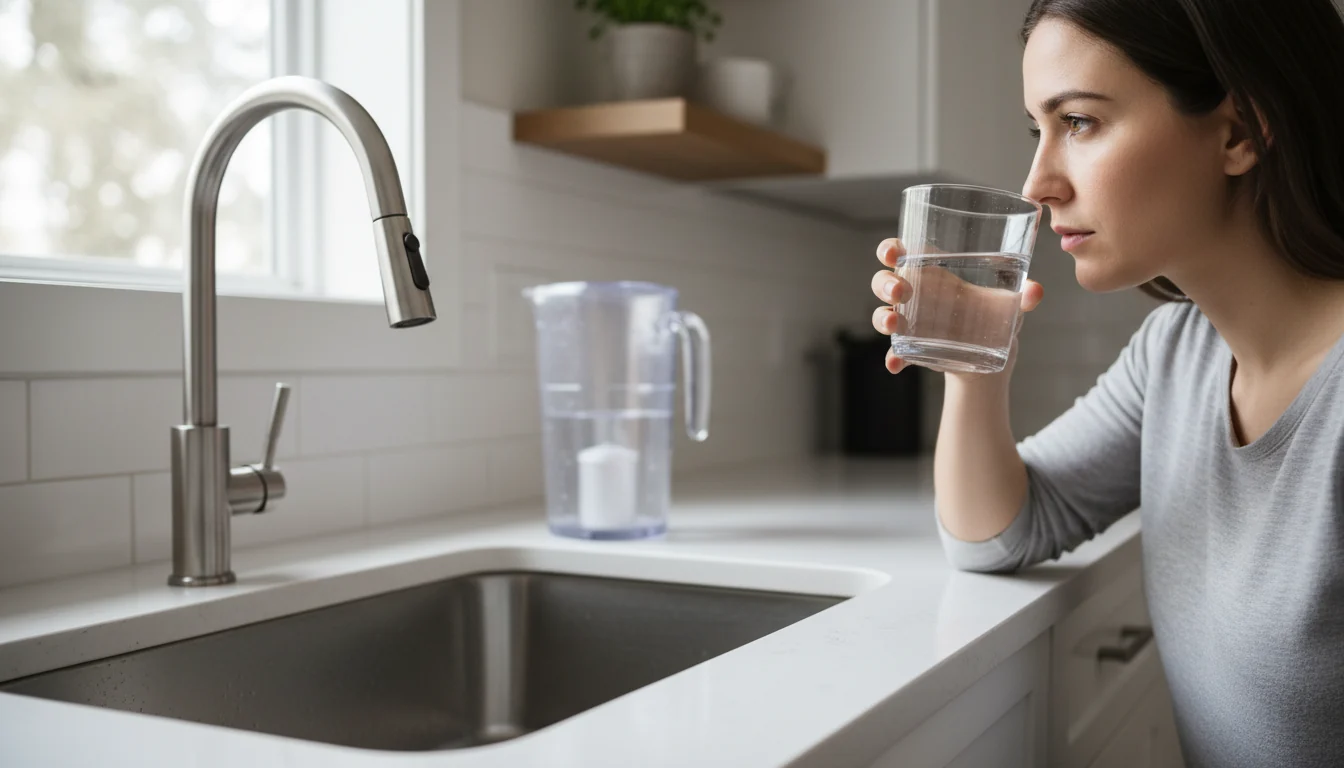
Fill a clean glass with cold water, step away from the sink, and smell the water. Then smell near the drain. If the odor is stronger at the drain than in the glass, the problem may be biofilm in the drain, not the water supply.
Repeat with hot water. If the smell appears only with hot water, the water heater is a likely suspect. If both hot and cold smell at every faucet, the source water or whole-house plumbing may be involved.
Common causes
Hydrogen sulfide
Hydrogen sulfide can create the classic rotten egg smell. It can occur naturally in some groundwater and wells. It is noticeable at very low levels, so even a small amount can make water unpleasant.
Water heater reactions
If only hot water smells, the water heater may be producing the odor through reactions involving the anode rod and bacteria. A plumber can evaluate whether flushing, temperature adjustment, disinfection, or anode replacement is appropriate. Do not remove safety devices or make water heater changes casually.
Well bacteria
Private wells can develop odor problems from sulfur bacteria or other microbial activity. This does not automatically mean the water is unsafe in every case, but well owners should test and maintain their systems. A lab test is a better guide than smell alone.
Drain biofilm
Sink drains can smell like rotten eggs because of organic buildup. If the water in a glass does not smell after you move away from the sink, clean the drain and overflow area.
What to check by odor pattern
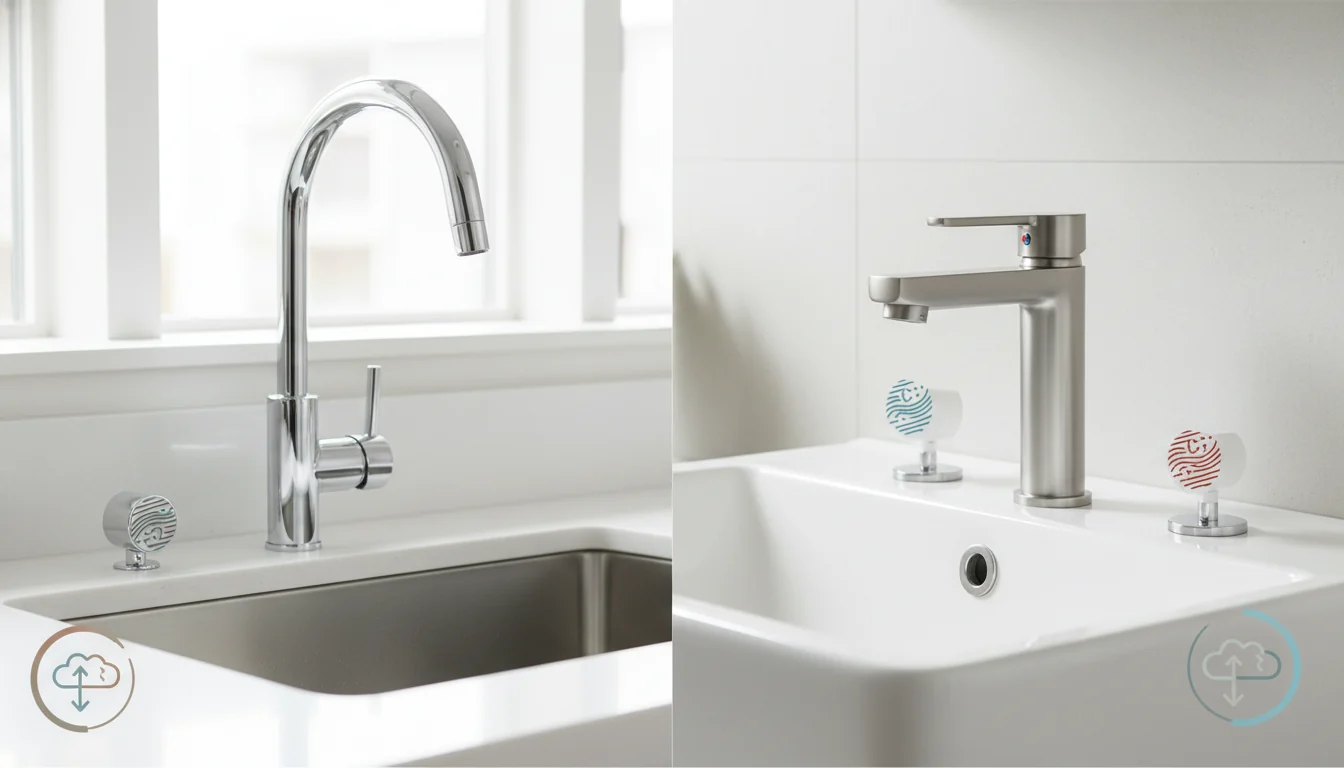
If only one sink smells, test water in a glass away from that sink and clean the drain. If only hot water smells, focus on the water heater. If cold water smells too, check whether the issue is whole-house. If neighbors on city water notice the same odor, contact the utility. If you are on a private well, plan on testing.
Is rotten egg water safe?
Odor alone does not tell the whole safety story. Hydrogen sulfide smell can be a nuisance and may affect taste, but water can also have other issues that are not obvious by smell. For private wells, test for bacteria and other local concerns. For city water, contact the utility if the odor is sudden, strong, or widespread.
If you ever have a sewage-like odor, illness concerns, a boil notice, or visible contamination, do not rely on smell tests. Follow local health guidance.
Can a filter fix rotten egg smell?
Sometimes, but not every filter is designed for sulfur odor. Basic carbon filters may help mild taste and odor problems, but hydrogen sulfide can exhaust carbon quickly. Well systems may require oxidation, catalytic carbon, aeration, chlorination, or other treatment selected after testing.
For hot-water-only odor, treating the cold water may not solve the water heater reaction. Fix the source rather than masking it.
Practical next steps
- Smell cold water in a glass away from the sink.
- Compare hot water and cold water.
- Check multiple faucets.
- Ask neighbors or the utility if on municipal water.
- Test well water if on a private well.
- Call a plumber for hot-water-only odor or water heater concerns.
- Choose treatment based on results, not guesses.
Preventive maintenance
For wells, keep the well cap secure, maintain proper drainage away from the well, and test on a regular schedule recommended for your area. For water heaters, follow manufacturer maintenance instructions and use a qualified professional when needed.
FAQ
Why does only my hot water smell like rotten eggs?
That often points to the water heater, possibly the anode rod or bacterial activity in the tank. A plumber can help diagnose it safely.
Why does the smell go away after running water?
Water sitting in pipes or a heater can accumulate odor. Flushing may temporarily clear it, but recurring odor should be investigated.
Will boiling remove rotten egg smell?
Boiling may drive off some odor temporarily, but it is not a proper fix for the underlying cause and is not a substitute for testing or treatment.
Do I need a whole-house filter?
Maybe, especially for well water with confirmed hydrogen sulfide. But treatment should be based on water testing and the odor pattern.
My bottom line
When someone asks why does my water smell like rotten eggs, I start by separating drain odor from water odor, then hot from cold, then one faucet from the whole house. That simple detective work points you toward the utility, a plumber, a well test, or a targeted filtration system.