
Quick takeaways
- The best filtered water bottle for travel depends on where you are going and what you need the filter to reduce.
- Carbon filtered bottles can improve taste, but they are not the same as purifiers for unsafe water.
- For backcountry or uncertain water sources, look for filters or purifiers designed for bacteria, protozoa, and possibly viruses.
- Check cartridge availability before a trip, not after the filter is exhausted.
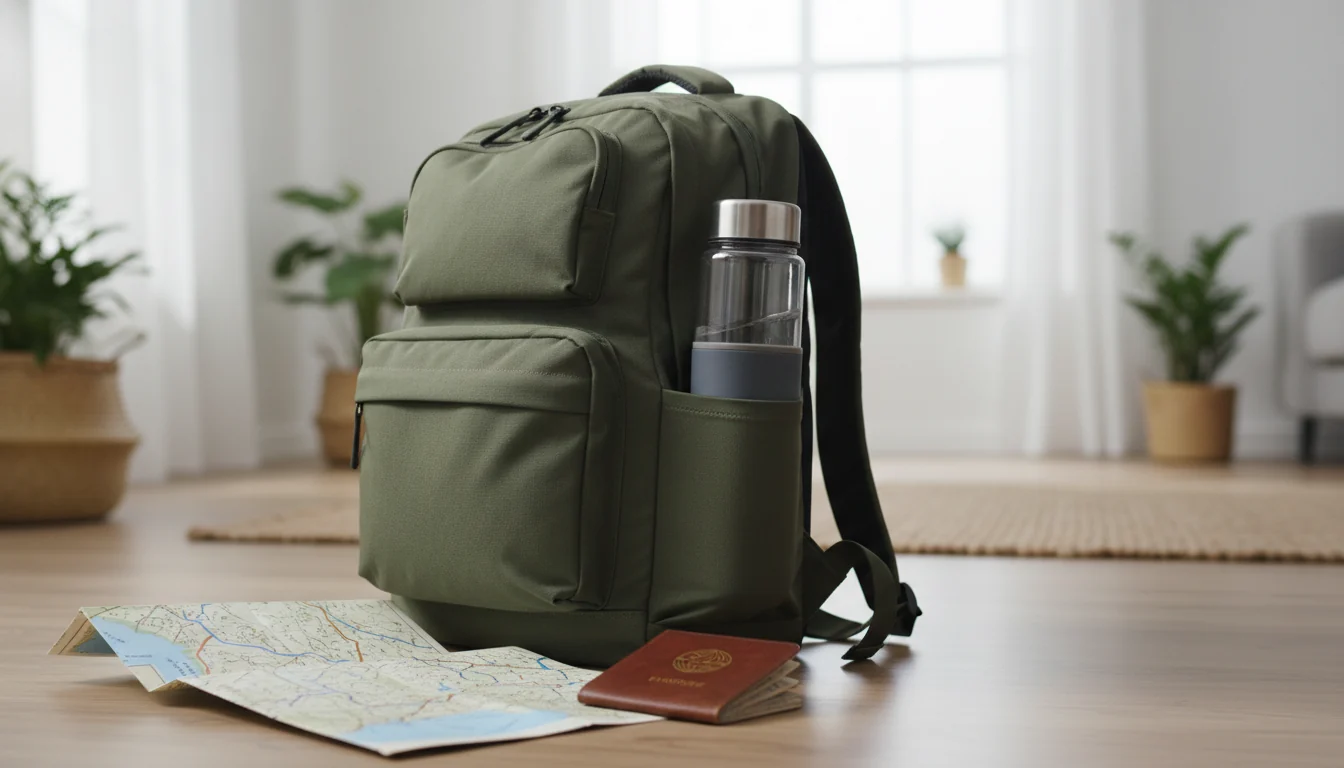
A filtered water bottle can be a great travel companion, but it is important to be honest about what it can and cannot do. Some bottles are made mainly to improve tap water taste. Others are built for hiking and emergency use. The best filtered water bottles for travel are chosen by destination, not just by looks.
When I pack one, I ask one question first: am I filtering treated tap water for taste, or am I trying to make questionable water safer? Those are very different jobs.
Main types of filtered travel bottles
Carbon filter bottles
These are designed mostly for taste and odor. They can be useful in airports, hotels, offices, and cities where the water is treated but tastes like chlorine or plumbing. They are usually easy to drink from and lightweight.
Do not assume a basic carbon bottle makes untreated water safe. Read the claims carefully.
Outdoor filtration bottles
These use hollow fiber membranes or similar filtration to reduce bacteria and protozoa, depending on the model. They are better for hiking, camping, and some travel situations where treated water is not guaranteed. Some may include carbon stages for taste.
Purifier bottles
Purifier bottles are designed for a broader range of microbiological concerns, sometimes including viruses. They may use advanced media, electroadsorption, UV, or other methods. They tend to cost more and require more careful maintenance.
If international travel safety is your concern, look at purifier-level claims and independent testing rather than assuming any filtered bottle is enough.
Match the bottle to your trip
For domestic flights and hotels, a simple carbon filtered bottle may be enough to improve taste and reduce bottled water purchases. For road trips, durability and easy refilling matter most. For hiking, choose a bottle rated for natural water sources you may encounter. For international travel, research the destination and consider whether you need a purifier, backup tablets, or bottled water from reliable sources.
I would not use a taste-only bottle for lake water, river water, or uncertain tap water.
Bottle design features
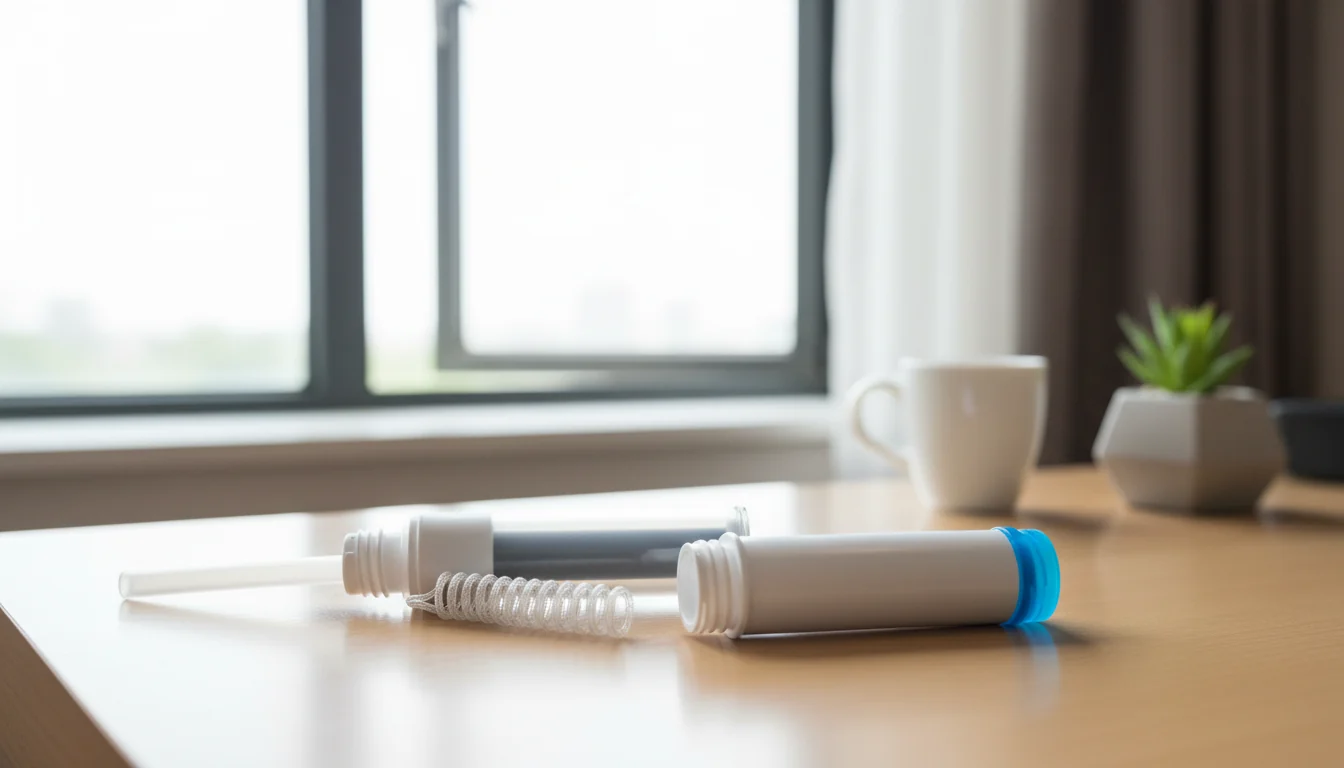
Look for a leakproof lid, comfortable carry loop, easy sipping, and a mouth wide enough to clean. Travel bottles get used in awkward places: airplane seats, rental cars, hotel bathrooms, trailheads, and crowded stations. A fussy lid becomes annoying fast.
If the bottle uses a straw filter, make sure you can drink through it comfortably. Some high-performance filters require more suction. That can be normal, but it may bother some users.
Capacity and weight
A 20 to 24 ounce bottle is a practical travel size for many people. Bigger bottles reduce refills but get heavy. Smaller bottles fit bags better but may not be enough for long sightseeing days.
For hiking, weight matters. For hotel and airport travel, leakproof design may matter more.
Replacement filters
Check filter life in gallons or liters, but remember that dirty or high-mineral water can shorten real-world performance. Bring a replacement cartridge on longer trips if the bottle is essential.
Also check whether replacement filters are available where you live. A great bottle with hard-to-find cartridges is frustrating.
Cleaning while traveling
Filtered bottles still need cleaning. Wash the bottle body regularly, keep the mouthpiece clean, and follow filter storage instructions. Do not let a wet filter sit for months after a trip without proper care.
If the bottle has been used with questionable water, avoid contaminating the clean drinking spout with dirty hands or dirty water. Cross-contamination is easy to overlook.
When not to rely on a filtered bottle
Do not rely on a basic filtered bottle during a boil water advisory unless the manufacturer specifically says it is appropriate for that situation. Do not use a taste filter for floodwater, chemically contaminated water, seawater, or water near industrial runoff. Filters have limits.
FAQ
Can a filtered water bottle make any water safe?
No. Different bottles reduce different contaminants. Taste filters are not the same as microbiological purifiers.
Are filtered bottles allowed on planes?
An empty bottle is generally allowed through airport security, but check current rules for your location. Fill it after screening.
How often should I replace the travel bottle filter?
Follow the manufacturer’s gallon or time rating, and replace sooner if flow drops or taste changes.
Is a filtered bottle better than buying bottled water?
For treated tap water that simply tastes bad, it can reduce waste and cost. For unsafe water, only use a bottle rated for the specific risk.
My bottom line
The best filtered water bottles for travel are chosen by risk level. For airports and hotels, a taste-improving carbon bottle may be perfect. For hiking or uncertain water, step up to a filter or purifier designed for that job. Travel is not the place to guess.