
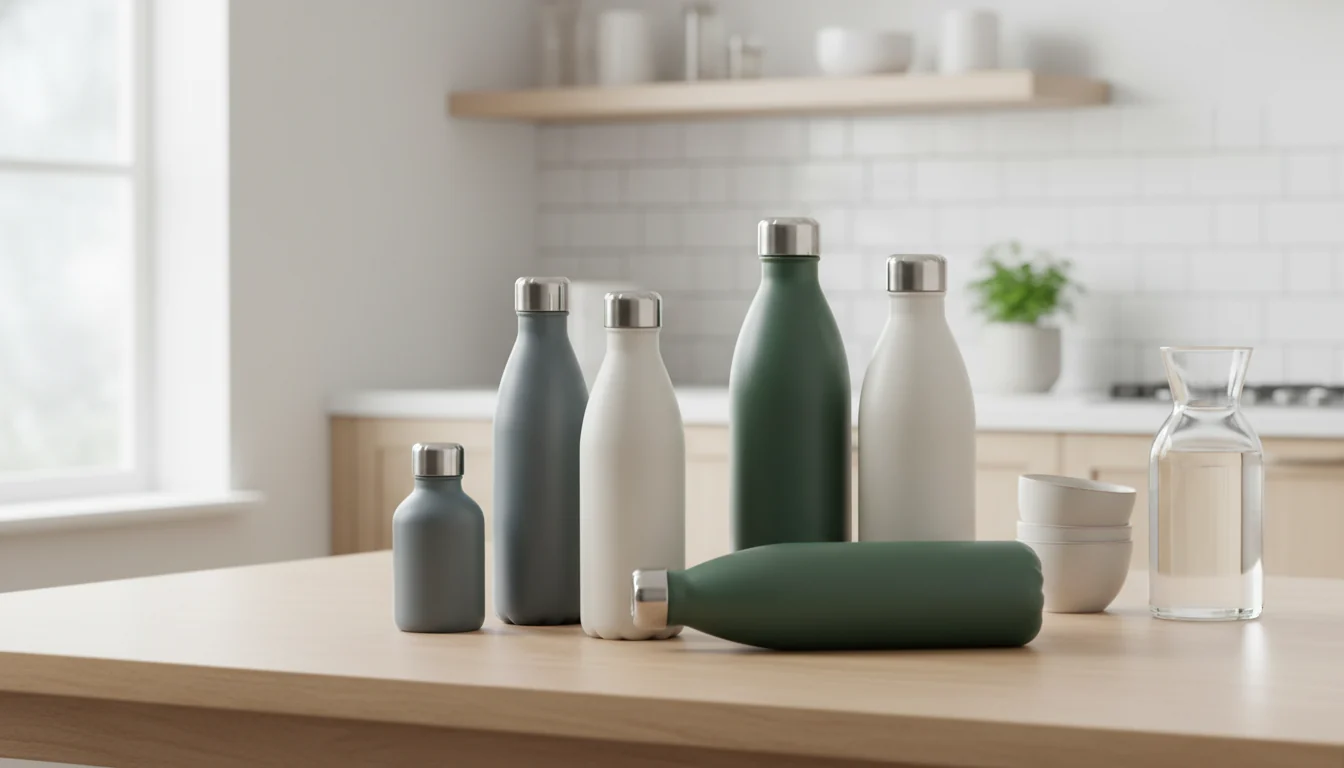
The Best Stainless Steel Water Bottle Is The One You Will Actually Carry
A stainless steel water bottle sounds simple until you start shopping. Then you run into dozens of sizes, lids, insulation claims, straw caps, chug caps, wide mouths, narrow mouths, powder-coated finishes, cup-holder shapes, and bottles that look great online but are annoying to clean.
For daily use, I would not choose only by brand or appearance. The best stainless steel water bottle should be easy to drink from, easy to clean, durable enough for your routine, and comfortable enough that you actually bring it with you.
If you want a quick recommendation, choose a double-wall insulated stainless steel bottle in the 24 to 32 ounce range with a lid style you like and a mouth wide enough to clean properly. That setup works well for commuting, school, errands, desk use, and most everyday activities.
Why Stainless Steel Is So Popular
Stainless steel bottles have become the default reusable bottle for many households because they solve several everyday problems at once.
They are more durable than many plastic bottles. They do not usually hold odors as stubbornly as soft plastic can. Insulated versions keep cold water cold for a long time, which makes people more likely to drink it. They also feel more substantial than a disposable bottle and can reduce the need to buy single-use bottled water.
That does not mean every stainless steel bottle is perfect. They can dent. Some are heavy. Some lids have small silicone parts that need careful cleaning. Painted finishes can chip. A bottle that is too large may sit at home because it is inconvenient to carry.
The goal is not to find the most impressive bottle on paper. It is to find the one that fits your day.
What To Look For First
Before comparing specific models, decide these basics:
- Capacity: how much water you want to carry
- Lid style: straw, chug, screw cap, sport cap, or flip lid
- Insulation: single-wall or double-wall
- Mouth opening: wide mouth or narrow mouth
- Cleaning: dishwasher-safe parts or hand-wash only
- Portability: handle, loop, weight, and cup-holder fit
- Durability: finish, dent resistance, and replaceable lids
If you get these right, the brand matters less.
Best Overall Daily Size: 24 To 32 Ounces
For most adults, a bottle between 24 and 32 ounces is the sweet spot. It carries enough water to be useful without becoming too bulky. It can sit on a desk, ride in a backpack side pocket if the shape is right, and work for errands or a commute.
A 24-ounce bottle is easier to carry and often more cup-holder friendly. A 32-ounce bottle reduces refills and is better if you are away from a sink or fountain for several hours.
Very large bottles, such as 40 ounces or more, can be great for road trips, long work shifts, or outdoor days. But they are heavier when full. If you already know you dislike carrying bulky items, a huge bottle may not improve your hydration routine.
Best Lid Style For Daily Use
The lid can make or break the bottle. I would rather have a mid-priced bottle with a great lid than a premium bottle with a lid I avoid using.
Straw lids
Straw lids are convenient for desks, driving, workouts, and anyone who drinks more water when sipping is effortless. They are especially popular because you do not have to tilt the bottle much.
The downside is cleaning. Straws, bite valves, and silicone pieces can trap residue. If you choose a straw lid, make sure the straw comes apart and that replacement parts are available.
Chug lids
A chug lid gives you a controlled opening for faster drinking without removing the whole cap. It is a good compromise for commuting, gym bags, and general use.
Chug lids usually clean more easily than straw lids, though they can still have gaskets or hinged parts.
Screw caps
A simple screw cap is durable and easy to clean. It is less convenient if you want one-handed drinking, but it is hard to beat for reliability.
For hiking, travel, or a bottle that might get tossed into a bag, a secure screw cap is still one of the best choices.
Flip lids and sport caps
Flip lids and sport caps can be convenient, but look closely at leak resistance. Some are great upright but not trustworthy inside a backpack. If you need a bottle for a laptop bag, leak resistance should matter more than speed.
Insulated Vs Single-Wall Stainless Steel
Most daily-use shoppers should choose double-wall vacuum insulated stainless steel. It keeps water cold, reduces condensation, and feels better on a desk or in a bag. If you add ice in the morning, the water can stay pleasantly cold for much of the day depending on the bottle, lid, and environment.
Single-wall stainless steel bottles are lighter and usually less expensive. They can be useful for hiking or travel when weight matters, and some can be used with certain outdoor water-treatment methods. However, they sweat with cold water and do not keep drinks cold nearly as long.
For home, office, school, and errands, insulated is usually worth it.
Wide Mouth Vs Narrow Mouth
A wide-mouth bottle is easier to clean and easier to fill with ice. It also works better if you want to add fruit, electrolyte tablets, or a bottle brush. Many popular insulated bottles use a wide-mouth design.
The downside is that a wide mouth can be awkward to drink from while walking or riding in a car unless the lid has a smaller drinking opening.
A narrow-mouth bottle is easier to sip from directly and may feel more natural if you prefer a simple screw cap. But it can be harder to clean, and adding ice can be frustrating.
For daily use, a wide-mouth bottle with a straw or chug lid is often the most practical combination.
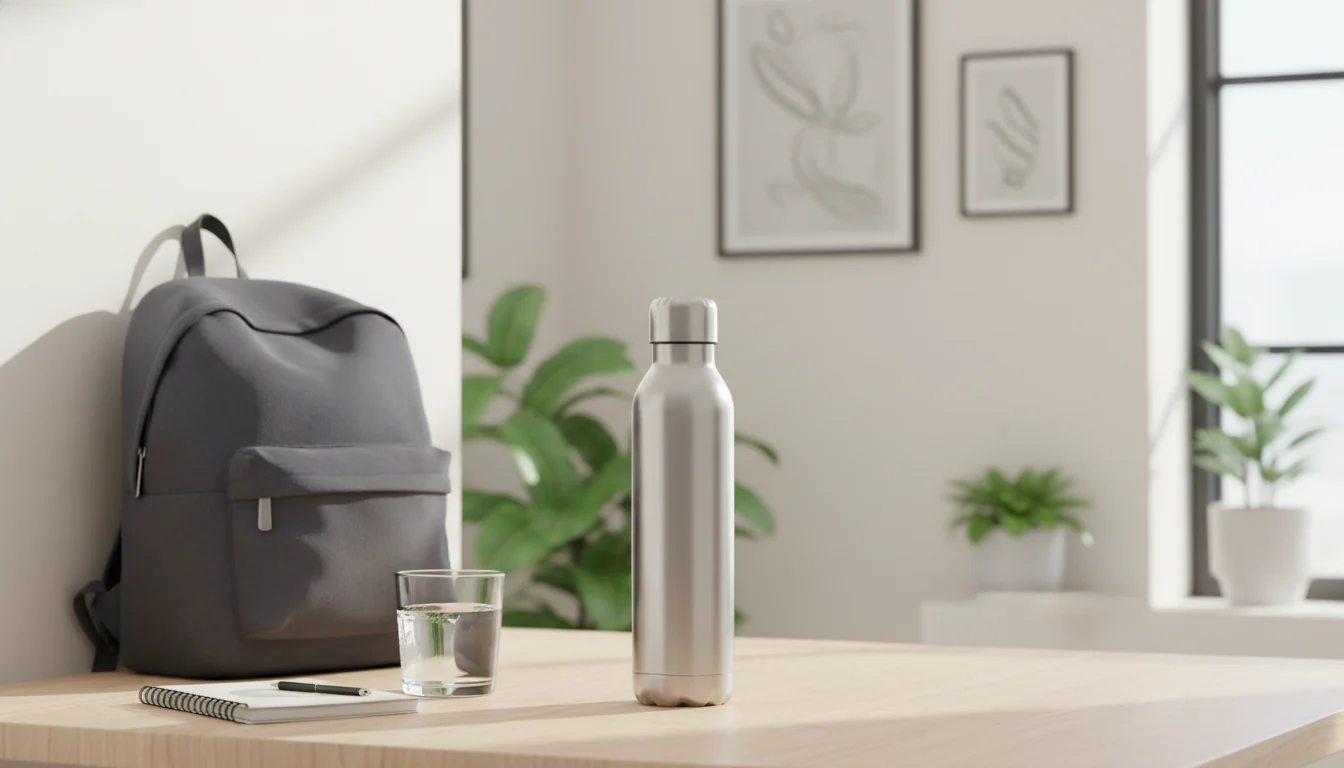
Cup Holder Fit Is Not A Small Detail
One of the most common reasons people stop using a bottle is that it does not fit where they need it. If you drive often, check the base diameter. A bottle that is too wide for your car cup holder may roll around on the passenger seat, which gets old quickly.
Slimmer bottles are better for commuting. Wider bottles are better for capacity and stability on a desk. If you want both capacity and cup-holder fit, look for bottles designed with a narrower base and wider upper body.
Cleaning: The Part People Ignore
A reusable bottle touches water, hands, bags, counters, car seats, and sometimes protein drinks or flavored beverages. It needs regular cleaning.
For plain water, a daily rinse and frequent wash may be enough for many people, but the lid deserves special attention. If you use anything other than water, wash it more thoroughly and sooner.
Look for bottles with:
- Removable gaskets
- Replaceable straws
- Dishwasher-safe lids, if you prefer dishwasher cleaning
- Smooth interiors
- Openings wide enough for a brush
- Clear care instructions
Avoid complicated lids if you know you will not clean them. A simple lid that gets washed is better than a fancy lid that grows residue in hidden corners.
Are Stainless Steel Bottles Safe?
Food-grade stainless steel is widely used for drinkware, cookware, and food storage. For most people using a reputable bottle as directed, stainless steel is a practical and durable choice.
Pay attention to the parts that are not steel: lids, straws, silicone seals, coatings, and paint. Choose bottles from brands that clearly state their materials and provide care guidance. If a bottle has a damaged interior, rust-like spots, a strange smell that will not wash out, or a broken lid, replace the affected part or the bottle.
Also, do not put a sealed insulated bottle in a freezer. Expanding liquid can damage the bottle or lid. Do not use a bottle for hot liquids unless the manufacturer says the lid and bottle are designed for that use.
Best Stainless Steel Water Bottles By Use Case
Because the “best” bottle depends on routine, it helps to shop by use case.
Best for office and desk use
Choose a 24 to 32 ounce insulated bottle with a straw lid or chug lid. A stable base and comfortable carry handle are useful. Leak resistance matters if you commute with the bottle in a bag.
A bottle that looks good on your desk is not a bad thing. If you like seeing it there, you are more likely to drink from it.
Best for commuting
Choose a bottle that fits your car cup holder, backpack pocket, or tote. A leak-resistant chug lid or secure straw lid is ideal. Avoid oversized bottles unless you know exactly where you will carry them.
Best for school
For kids and teens, durability and easy cleaning matter most. Look for a bottle that is not too heavy when full, has a handle, and has replacement lids available. Labels or name bands can help prevent mix-ups.
Best for gym use
A straw lid or chug lid is easiest during workouts. A 24 to 32 ounce size is usually enough for regular gym sessions. For long practices or outdoor training, larger may be useful.
Best for travel
For travel, leak resistance beats everything. A simple screw cap or locking lid is safer in luggage. Consider weight, airport refill stations, and whether the bottle fits in a backpack side pocket.
Best for home hydration
At home, a larger insulated bottle can help if you tend to forget to refill a glass. Just make sure you wash it regularly and do not let old water sit for days.
FAQs About Stainless Steel Water Bottles
Are stainless steel water bottles safe for daily use?
For most people, food-grade stainless steel bottles are a practical daily option. Choose reputable materials, keep the bottle clean, and avoid bottles with damaged interiors or questionable coatings.
Do stainless steel bottles change the taste of water?
A clean stainless steel bottle should not strongly change water taste. Metallic taste usually comes from a dirty lid, trapped odors, low-quality materials, or water that already tastes off.
What size stainless steel bottle is best?
For daily use, 24 to 32 ounces is the sweet spot for many people. Go smaller for commuting and cup holders, or larger for outdoor work, gym sessions, and long days away from refills.
How often should I wash a stainless steel bottle?
Wash it daily if you use it every day, and clean lids, straws, and gaskets carefully. Those small parts trap residue faster than the bottle body.
What About Filtered Water Bottles?
Some bottles include built-in filters. They can be useful for improving taste, especially chlorine taste in municipal water, but they are not the same as a full home filtration system.
If you want a stainless steel bottle with a filter, check what the filter is actually certified or tested to reduce. Many bottle filters are designed mainly for taste. Some are designed for specific outdoor or travel uses, but you should not assume they make unsafe water safe unless the product is clearly designed and certified for that purpose.
For daily home use, many people prefer filtering water at the sink or in a pitcher and then filling a stainless steel bottle.
Features Worth Paying For
Some upgrades are worth the extra money:
- A lid that is genuinely leak-resistant
- Replacement lids and straws
- A durable powder-coated finish
- A comfortable handle
- A shape that fits your cup holder
- Dishwasher-safe components
- A warranty from a known company
Other features are optional. Built-in magnets, decorative boots, color collections, and limited editions can be nice, but they should not matter more than cleaning and usability.
Features I Would Avoid
I would be cautious with bottles that have:
- No clear material information
- Strong chemical smells out of the box
- Lids that cannot be disassembled
- Tiny openings that are hard to clean
- Unknown replacement part availability
- Claims that sound medical or unrealistic
- Very cheap painted finishes that chip quickly
A water bottle is a daily-use item. If it feels disposable, it may not be a good value.
How Many Bottles Do You Really Need?
Most people do not need a cabinet full of bottles. A practical setup might be:
- One daily insulated bottle
- One smaller bottle for short errands or kids
- One larger bottle for road trips, sports, or long days
If you already own a bottle that works, keep using it. The most sustainable bottle is often the one you already have and maintain well.
Stainless Steel Bottle Care Tips
To keep your bottle in good shape:
- Wash before first use
- Rinse daily when used for water
- Wash promptly after flavored drinks
- Deep clean lids and gaskets regularly
- Let parts dry fully before storing
- Avoid bleach unless the manufacturer allows it
- Do not microwave stainless steel
- Do not freeze sealed insulated bottles
- Replace damaged straws or gaskets
For stubborn smells, warm water and baking soda can help, but follow the bottle maker’s instructions first.
My Buying Checklist
Before buying, ask:
- Will I carry this size when it is full?
- Does it fit my cup holder or bag?
- Can I clean every part of the lid?
- Is the lid right for how I drink water?
- Are replacement parts easy to buy?
- Is it insulated if I want cold water?
- Does the brand provide clear care instructions?
If a bottle passes those questions, it is probably a strong daily-use choice.
Final Recommendation
For most people, the best stainless steel water bottle for daily use is a 24 to 32 ounce double-wall insulated bottle with a wide mouth, a comfortable handle, and either a straw lid or chug lid. That combination balances capacity, cold water, cleaning, and convenience.
Choose a slimmer bottle if you commute by car or carry a small bag. Choose a larger bottle if you work long shifts, spend time outdoors, or hate refilling. Choose the simplest lid you will clean consistently.
A good stainless steel bottle will not magically improve your water quality, but it can make drinking tap or filtered water easier throughout the day. That is the real win: a bottle that becomes part of your routine instead of another item forgotten in the cabinet.