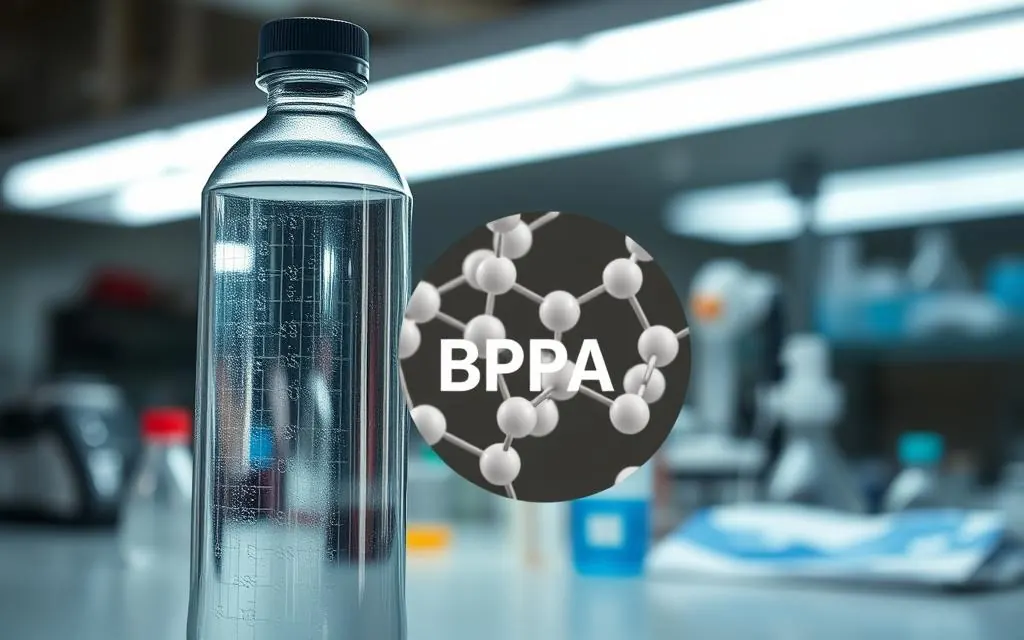

Ever thought about the dangers in your water bottle? BPA in water bottles could be quietly harming your health.
I’m all about health and wellness. I’ve dug deep into BPA’s risks in water bottles. This chemical has been around for decades, found in many plastics.
Learning about BPA is key to keeping ourselves and our families safe. It’s in many products we use every day. It’s a hidden ingredient in our lives.
Key Takeaways
- BPA is an industrial chemical found in many plastic products
- Potential health risks exist with long-term BPA exposure
- Some water bottles may contain harmful BPA chemicals
- Consumers can choose BPA-free alternatives
- Understanding BPA helps make informed health decisions
Understanding BPA: A Basic Overview
Chemicals like BPA are all around us, raising concerns about their impact. I’ve looked into BPA to understand its effects on water bottles. It’s important for us to know about these chemicals.

BPA, or Bisphenol A, has been used in plastics for over 60 years. Knowing about BPA is key for those concerned about health risks.
What Exactly is BPA?
BPA is a man-made chemical used in plastics and resins. Its structure can affect our hormones, posing dangers in water bottles.
- Chemical formula: C15H16O2
- First synthesized in 1891
- Primarily used in polycarbonate plastics and epoxy resins
Where Can You Find BPA?
BPA is found in many items we use every day. Here are some common places:
- Water bottles
- Food storage containers
- Internal coatings of metal food cans
- Bottle caps
- Thermal paper receipts
Knowing where BPA is helps us make better choices. Awareness is key to protecting our health.
The more we know about BPA, the better equipped we are to make safer choices for ourselves and our families.
The Role of BPA in Plastic Production
Learning about plastic production helps us choose better. It shows how BPA in water bottles affects our health and the planet.
BPA is vital in making strong plastics. It helps create hard, lasting plastics that can handle many conditions.
Manufacturing Process of BPA-Containing Plastics
Using BPA in water bottles has its risks. Here’s how it’s made:
- It makes plastics stronger and more durable.
- It helps make containers that can handle heat.
- It improves the lasting quality of plastic items.
Types of Plastics Containing BPA
Not all plastics have BPA. Here are some examples:
- Polycarbonate (PC): Usually has BPA.
- Polyethylene terephthalate (PET): Usually doesn’t have BPA.
- Epoxy resins: Often made with BPA.
Many water bottles are now BPA-free. But, some reusable bottles may have BPA. Always check labels to know the risks.
Knowing what’s in plastics helps us make better choices for our health and the planet.
Potential Health Risks Associated with BPA
It’s important to know how BPA in water bottles can harm us. Studies have found many risks linked to this chemical. These risks could affect our health for a long time.
Hormonal Disruption Mechanisms
BPA in water bottles is dangerous because it acts like estrogen in our bodies. This can mess with our hormones. It could lead to serious health problems.
- Disrupts endocrine system functioning
- Mimics natural hormone structures
- Potentially alters reproductive health
Chronic Disease Connections
Research shows BPA might be linked to chronic diseases. My research found possible connections to:
| Health Condition | Potential BPA Impact |
|---|---|
| Cardiovascular Disease | Increased risk of blood pressure issues |
| Type 2 Diabetes | Potential metabolic disruption |
| Neurological Development | Possible cognitive function alterations |
Vulnerable Population Risks
Some groups are more at risk from BPA. Pregnant women, infants, and young children are most vulnerable.
- Fetuses during prenatal development
- Infants with developing immune systems
- Children experiencing rapid growth stages
While research continues, taking proactive steps to minimize BPA exposure remains a wise health strategy.
BPA Exposure Pathways
It’s important to know how Bisphenol A (BPA) gets into our bodies. BPA has many ways to enter our system, and it’s key to know these paths. This helps us stay healthy.
Our daily use of plastics can lead to BPA exposure. Water bottles are a big source, but they’re just one part of the problem.
Drinking Water Bottles: A Primary Exposure Route
BPA can get into our drinking water from bottles. This happens when bottles are:
- Exposed to high temperatures
- Repeatedly used
- Scratched or damaged
- Left in direct sunlight
Other Common BPA Sources
BPA is not just in water bottles. It’s also found in many other items we use every day:
| Source Category | Specific Items |
|---|---|
| Food Packaging | Canned goods, plastic food containers |
| Kitchen Items | Plastic utensils, coffee makers |
| Personal Care | Thermal receipt paper, dental sealants |
“Knowledge is the first step in reducing BPA exposure” – Environmental Health Perspectives
Knowing how BPA gets into our bodies helps us make better choices. We can pick plastics that are safer and lower our health risks.
The Truth About BPA-Free Products: Are They Really Safe?
More people are now aware of the dangers of bisphenol A (BPA). This has led to a big increase in demand for BPA-free plastic items, like water bottles. But, the big question is: are these alternatives really safe, or is there more to it?
Alternative Chemicals Used
Because of BPA concerns, companies have started using different chemicals in their products. Bisphenol S (BPS), bisphenol F (BPF), and tritan copolymer are some of these substitutes. But, the truth is, we don’t know much about their long-term safety yet.
Research on BPA Substitutes
Recent safety research has found that some BPA substitutes might have similar risks. A study in Environmental Health Perspectives showed that BPS and BPF can mess with hormone functions. They’ve also been linked to developmental issues in children.
Also, many people don’t know about the risks of these alternative chemicals. They think BPA-free means safe. This shows how important it is to keep researching and for companies to be open about what they’re using.
“While BPA-free products may seem like a safer alternative, the reality is that we have a lot to learn about the long-term effects of these substitute chemicals.”
When choosing plastic bottles, we need to stay alert and ask for more safety research. We should make sure our choices are good for our health and well-being.
How to Identify BPA-Containing Products
Finding out if plastic products have bisphenol A (BPA) can be tough. But, knowing a few things can help you choose safer options. Here’s how to spot BPA in products.
Reading Plastic Recycling Codes
Start by checking the plastic recycling code. BPA products often have code “7” or “PC” for “polycarbonate.” Stay away from these to avoid BPA.
Product Labeling Guidelines
Look for labels that say “BPA-free” or “phthalate-free.” These labels mean the product is safe. They help you avoid harmful products.
It’s also key to keep up with BPA research and education. Being aware helps you avoid BPA and supports a healthier world.
“Empowering consumers with the knowledge to identify and avoid BPA-containing products is a key step towards a better future.”
Impact of Heat and Storage on Plastic Water Bottles
The safety of our drinking water depends a lot on how we store and handle plastic water bottles. Heat and long storage can harm these containers. This can lead to the release of harmful chemicals like bisphenol A (BPA) and phthalates.
Heat Exposure and Plastic Degradation
Heat can make plastic water bottles break down over time. This leads to chemical leaching. When bottles are in hot places, like cars or in the sun, it gets worse. The plastic can release BPA and other harmful substances into the water, making it unsafe.
Proper Storage Conditions
- Keep plastic water bottles in cool, dry places away from sunlight or heat.
- Don’t leave bottles in hot cars or outside for too long. This increases heat exposure and chemical leaching risk.
- Refrigerate bottled water if you can. This keeps it cool and reduces plastic degradation risk.
“Proper storage and handling of plastic water bottles is key to keeping them safe and good quality. Heat and long storage can release harmful chemicals, making the water inside unsafe.”
Knowing how heat and storage affect plastic water bottles helps us make better choices. By focusing on storage conditions and avoiding heat exposure, we can reduce risks from plastic degradation and chemical leaching.
Regulations and Safety Standards
Understanding BPA regulations can be tough for those worried about BPA in water bottles. I’ve been keeping up with the latest on BPA rules because I care about health and safety.
The risks of BPA in water bottles have led to big steps by governments. The U.S. Food and Drug Administration (FDA) is leading the way in checking BPA safety.
FDA’s Current Stance on BPA
The FDA’s view on BPA is complex. They once said BPA was safe at low doses, but new studies have made them keep looking. Now, they:
- Keep an eye on new science
- Check studies again and again
- Work with health experts
State-Level Regulations
States are taking action on BPA too. Some have made strict rules:
- Connecticut
- Maryland
- Minnesota
- Washington
- Wisconsin
- Vermont
“Our understanding of BPA continues to evolve with scientific research.” – FDA Representative
These states have laws against BPA in baby bottles and kids’ cups. Their rules show they’re worried about BPA’s health effects.
International Perspectives
Worldwide, countries handle BPA differently. Some have strict rules, while others watch closely like the FDA.
Knowing about these rules helps us choose better products. This is true for water bottles and food containers we use every day.
Alternatives to BPA Plastics
More people are looking for BPA free water bottles because they care about their health. I’ve looked into many BPA alternatives for water bottles. These options help keep you and the planet safe.
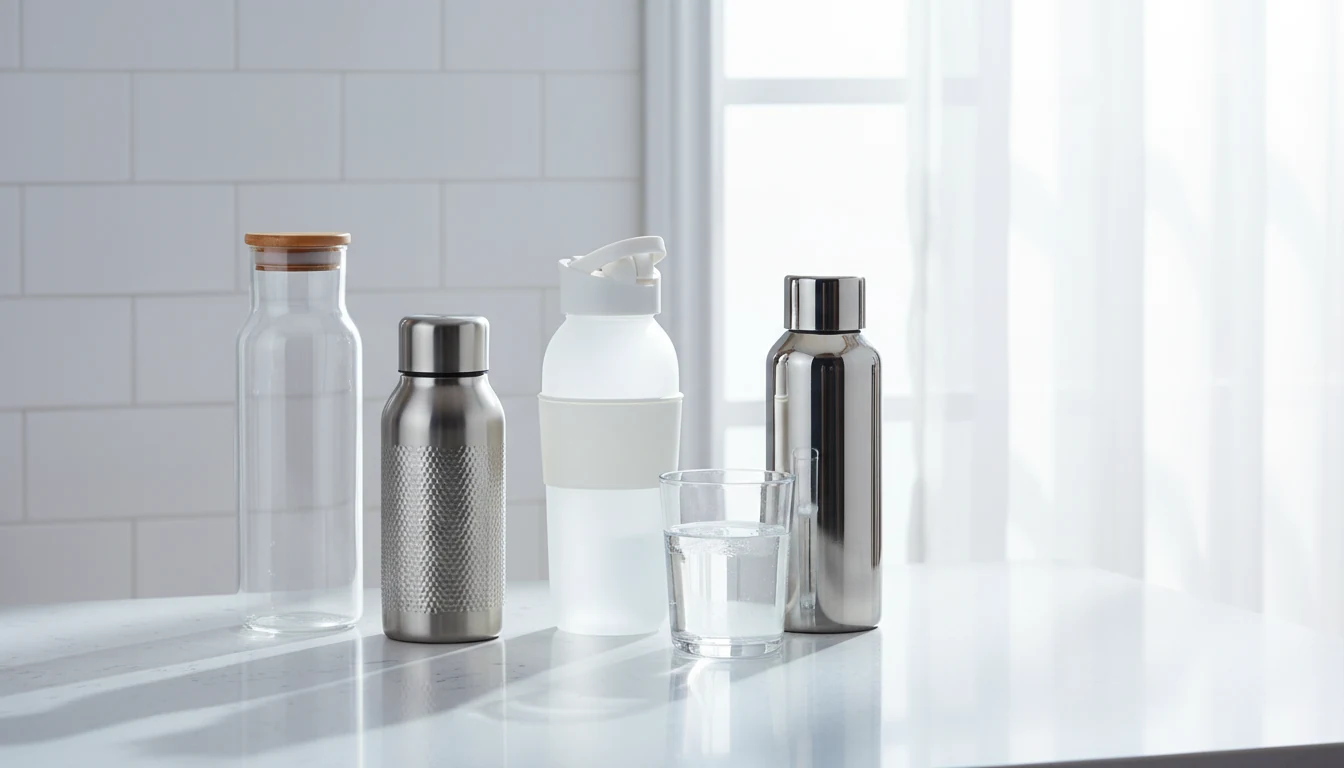
When looking for safe drinking containers, consider these BPA alternatives:
- Glass water bottles – 100% chemical-free and recyclable
- Stainless steel containers – Durable and long-lasting
- Silicone-based bottles – Flexible and BPA-free
- Polypropylene plastic – A safer plastic alternative
Top BPA-Free Brands to Consider
Here are some trusted brands that offer BPA free water bottles:
| Brand | Material | Price Range |
|---|---|---|
| Hydro Flask | Stainless Steel | $30-$50 |
| Klean Kanteen | Stainless Steel | $25-$45 |
| Lifefactory | Glass | $20-$35 |
| CamelBak | BPA-Free Plastic | $15-$30 |
Key Considerations When Choosing
When picking BPA alternatives for water bottles, think about these things:
- Material durability
- Weight and portability
- Ease of cleaning
- Temperature retention
“Choose a water bottle that not only keeps you hydrated but also protects your long-term health.” – Health Experts
Pro tip: Always check product labels and manufacturer information to confirm BPA-free status before purchasing.
Consumer Awareness and BPA
It’s important to know how to avoid BPA in water bottles to protect your health. As people learn more about BPA and its dangers, they can choose better products. This helps keep them safe from harmful chemicals.
Spotting BPA in products takes attention and knowledge. Here are some tips to reduce your BPA exposure.
How to Spot BPA in Products
- Check recycling codes on plastic containers:
- Avoid plastics with recycling codes 3 and 7
- Look for BPA-free labels
- Examine packaging carefully
- Choose alternative materials like glass or stainless steel
Educating Others About BPA Risks
Sharing knowledge helps keep everyone safe. I suggest using:
- Social media posts
- Community workshops
- Family discussions
“Knowledge empowers better health choices” – Consumer Health Advocate
| Material | BPA Risk | Recommended |
|---|---|---|
| Plastic #3 | High | Avoid |
| Plastic #7 | High | Avoid |
| Glass | None | Recommended |
| Stainless Steel | None | Recommended |
Stay informed and proactive about your health by understanding BPA risks and making conscious product choices.
Common Myths About BPA-free Water Bottles
There are many myths about BPA-free water bottles. It’s important to know the truth to make good choices. We’ll look at some common myths and give you the facts you need.
One myth is that BPA-free bottles are completely safe. But, some alternatives might have chemicals that can harm our health. It’s key to check what materials are used in these bottles.
Another myth is that BPA-free bottles are better for the planet. While they might be more eco-friendly, their impact depends on how they’re made and thrown away. We should think about the whole life of the bottle, not just if it’s BPA-free.
- Myth: BPA-free bottles are completely safe and pose no health risks.
- Myth: BPA-free bottles are always better for the environment.
It’s important to clear up these myths. This helps people make better choices when picking water bottles. Knowing the facts helps us choose bottles that are good for us and the planet.
“It’s essential to look beyond the BPA-free label and consider the overall safety and sustainability of the materials used in water bottles.”
We aim to give you the facts to help you choose wisely. By debunking myths, we empower you to make smart and eco-friendly choices.
My Experience with BPA-Free Bottles
Learning about BPA risks changed my health journey. I found out that our water bottles could be harming us. This made me change how we drink liquids.
Switching to BPA-free bottles was a smart move for my family. I learned how to pick safe bottles. This changed our daily life.
Choosing BPA-Free Options
When picking BPA-free bottles, I looked for safe materials:
- Stainless steel containers with insulated designs
- Glass bottles with protective silicone sleeves
- High-quality ceramic water containers
Transforming My Daily Hydration
The change was quick and big. I felt more confident about our water and noticed better health. Each bottle showed our dedication to wellness.
Here are my tips for switching:
- Look for brands that make BPA-free bottles
- Choose durable, long-lasting bottles
- Check bottles for damage often
At first, it might cost more. But, the health benefits of BPA-free bottles are worth it. My family’s story shows how small changes can improve our health.
Environmental Concerns Related to BPA
BPA’s impact goes beyond just health risks. It’s a persistent chemical in many plastics, causing big problems for our environment and waste systems. Knowing how BPA in water bottles harms the planet helps us choose better for our world.
BPA pollution is a big environmental threat. It affects not just our health but also our water and waste systems.
BPA Pollution in Water Sources
Waste from industries and consumers puts BPA into our water. This chemical can leak from plastics, polluting:
- Rivers and streams
- Groundwater reservoirs
- Marine environments
- Drinking water supplies
Recycling Challenges of BPA-Containing Plastics
Recycling plastics with BPA is tough. Many recycling places struggle to handle these plastics well.
| Plastic Type | BPA Presence | Recyclability |
|---|---|---|
| Polycarbonate | High | Difficult |
| Epoxy Resins | Moderate | Limited |
| Food Container Plastics | Variable | Challenging |
By grasping these environmental issues, we can make smarter choices about plastic use and disposal. This helps lessen BPA’s harm to our planet.
Staying Informed
Understanding BPA and its dangers in water bottles is a big task. It starts with finding trustworthy sources of information.
Staying up-to-date with BPA research is key to protecting your health and the environment. The ongoing debate about BPA in water bottles is a major focus of scientists.
Key Resources for BPA Information
- National Institutes of Health (NIH) Research Database
- Environmental Protection Agency (EPA) Chemical Safety Reports
- Centers for Disease Control and Prevention (CDC) Health Studies
- Academic Research Journals Focusing on Environmental Health
Following Current Research Updates
Here are some ways to keep up with BPA research:
- Subscribe to scientific newsletters
- Follow reputable environmental health organizations
- Attend webinars and virtual conferences
- Review annual government reports on chemical safety
| Research Source | Focus Area | Update Frequency |
|---|---|---|
| NIH Database | Health Impact Studies | Quarterly |
| EPA Reports | Chemical Regulation | Annually |
| Academic Journals | Emerging Research | Monthly |
By staying informed, you can make better choices for your health and family.
Conclusion: Making Informed Choices
Exploring BPA has given you the power to protect your health. It’s not just about fear. It’s about making smart choices that support your wellness.
Choosing BPA-free water bottles is important. Glass, stainless steel, and porcelain are safer choices. Look for high-quality reusable containers from brands like Klean Kanteen or Lifefactory. They focus on health and the environment.
If you want to reduce single-use plastic, compare BPA-free reusable bottles, glass bottles, and stainless steel options before choosing.
As an Amazon Associate, Clean Water In Homes may earn from qualifying purchases.
Your health choices are key. Being aware of the products you use can lower your risk of harmful chemicals. Simple actions like checking labels and choosing BPA-free options can greatly improve your health.
Knowledge is your strongest ally. Even with the challenges of plastic products, every smart choice you make brings you closer to a healthier life. Stay informed, ask questions, and make choices that prioritize your health.
FAQ
Q: What is the connection between plastic water bottles and BPA?
A: Plastic water bottles often have a chemical called bisphenol A (BPA). This chemical has been linked to health risks. BPA can leak into the water, mainly when the bottle is heated or used for a long time.
Q: What are the possible health risks of BPA from plastic water bottles?
A: Research shows BPA might harm the endocrine system. This could affect reproductive health and child development. Long-term exposure to BPA might lead to hormonal imbalances and fertility issues, mainly in children.
Q: How does BPA leach into the water inside plastic bottles?
A: BPA can leak into the water due to heat, long storage, and plastic degradation. High temperatures or long storage times increase BPA migration into the water. This can contaminate the water inside.
Q: What is the environmental impact of single-use plastic water bottles?
A: Single-use plastic water bottles harm the environment. They pollute oceans, fill landfills, and have a big carbon footprint. The use of these bottles also leads to microplastic pollution in our environment.
Q: What are some safer alternatives to traditional plastic water bottles?
A: Safe alternatives include reusable bottles made from glass, stainless steel, or BPA-free plastics. These options avoid BPA exposure and reduce environmental harm. Choosing a good reusable water bottle is a healthier and greener choice.
Q: Are BPA-free products truly safe?
A: BPA-free products might seem safer, but it’s more complicated. Some products use chemicals like bisphenol S (BPS) or bisphenol F (BPF) instead of BPA. More research is needed to know if these substitutes are safe for long-term use.
Q: How can I identify products that contain BPA?
A: To find BPA-containing products, look for recycling codes on the plastic. Codes 3 or 7 often mean BPA is present. Also, check labels for BPA-free claims. But, remember, not being BPA-free doesn’t mean a product is completely safe.
Q: How do heat and storage conditions affect the safety of plastic water bottles?
A: Heat and poor storage can increase BPA and other chemical leaching. Avoiding hot places and not reusing bottles for too long can help. Store bottles in cool, dry places to minimize risks.
Q: What sustainable hydration solutions are available as alternatives to plastic water bottles?
A: Sustainable hydration options include reusable bottles and water filtration systems. These choices cut down on plastic waste and offer a safer, greener way to stay hydrated.
Q: What global regulations and policies exist regarding the use of BPA in consumer products?
A: Many countries and organizations have rules about BPA in products, including plastic water bottles. Some ban BPA, while others set limits. Staying updated on these regulations helps you make better choices.
Q: How can I reduce my dependency on plastic water bottles?
A: To cut down on plastic water bottles, try these tips: Get a good reusable water bottle, use a water filter, and avoid bottled water when you can. Encourage others to do the same. Small changes can make a big difference in reducing waste and living sustainably.