
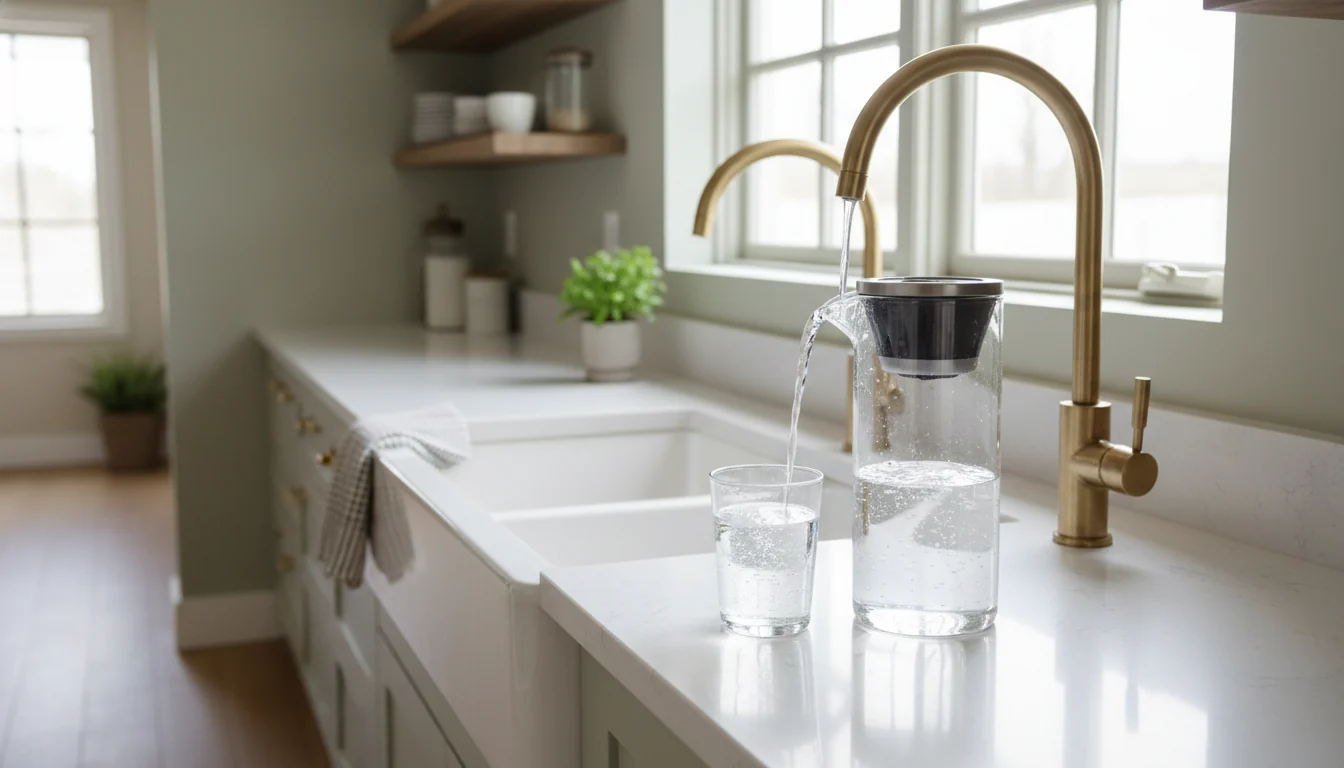
Well water can taste earthy, metallic, sulfur-like, mineral-heavy, or just different from city water. A pitcher can help in some situations, but I want to be clear at the start: the best water filter pitchers for well water taste are not a substitute for proper well testing. A pitcher is a point-of-use taste tool. Your well is a private water system, and safety starts with knowing what is in it.
That said, if testing shows your water is safe and your main complaint is taste, a well-chosen pitcher may make drinking water more pleasant. The key is matching the pitcher to realistic goals.
Key takeaways
- Test well water before relying on any pitcher.
- Pitchers can help with some taste and odor issues, but they are limited.
- Look for clear contaminant reduction claims and certifications.
- Iron, sulfur, bacteria, and high sediment may require treatment before a pitcher.
- Replace cartridges on schedule because well water can exhaust filters faster.
Start with testing
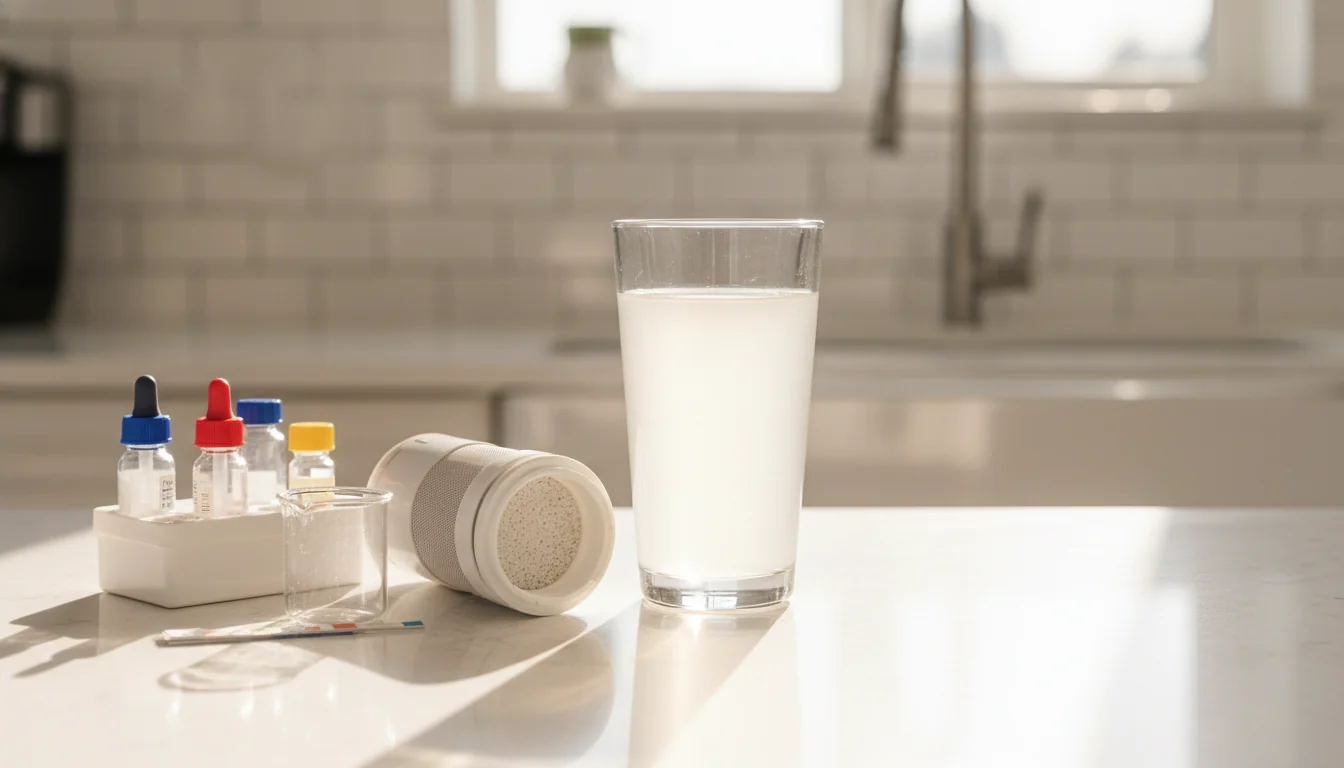
Unlike public water, private well water is usually the homeowner’s responsibility. I would not choose a filter based only on taste. Basic testing commonly includes bacteria, nitrate, pH, hardness, iron, manganese, total dissolved solids, and any local concerns such as arsenic or agricultural contaminants.
If the well has not been tested recently, test first. If water changes suddenly in taste, odor, color, or clarity, test again and inspect the well system.
What a pitcher can realistically do
Many pitcher filters use activated carbon and ion exchange resin. They may reduce chlorine taste in city water, some metals, and certain other substances depending on the product. For well water, chlorine is often not the issue unless you have treatment equipment that adds it.
A pitcher may improve mild metallic taste, musty taste, or general unpleasant flavor if the filter is designed for those issues. But severe rotten egg odor, heavy iron staining, sediment, or microbial contamination should be handled at the source or with appropriate treatment, not just a pitcher.
Look for specific claims
Marketing language can be slippery. I look for performance data that names the substances reduced. If lead is a concern, look for lead reduction. If total dissolved solids are high, understand that only some pitchers are designed to reduce TDS significantly, and that does not automatically mean they address every safety issue.
Certifications help because they tie claims to standards. If a pitcher only says “great for well water” without explaining why, I keep looking.
Common well water taste issues
Metallic taste
Metallic taste may come from iron, manganese, copper, low pH corrosion, or plumbing. A pitcher may help mild taste, but persistent metallic flavor deserves testing. If metals are elevated, choose treatment based on the specific metal and level.
Rotten egg smell
A sulfur or rotten egg smell may involve hydrogen sulfide or bacteria-related issues. Pitchers are usually not my first choice for this. Treatment may require aeration, oxidation, carbon, disinfection, or other approaches depending on the cause.
Earthy or musty taste
Earthy taste can come from natural organic matter, plumbing, or seasonal changes. Carbon may help some odor compounds, but again, testing and source inspection matter if the change is sudden.
Sediment
Visible particles can clog pitcher filters quickly. If sediment is common, consider a whole-house sediment filter before the water reaches fixtures, especially to protect appliances and plumbing.
Pitcher features that matter
For well water, capacity and cartridge life are important. A tiny cartridge may be exhausted quickly if the water has high mineral content, sediment, or metals. I prefer pitchers with clear replacement indicators, easy-to-find cartridges, and reservoirs that are simple to wash.
Slow filtration is common with more aggressive filters. That is not always a defect. Finer media and longer contact time can slow flow. But if the pitcher becomes painfully slow after a few days, your water may be clogging it and needs upstream treatment.
Maintenance
Wash the pitcher regularly, especially the reservoir and lid. Keep filtered water refrigerated if the manufacturer recommends it, and do not let water sit indefinitely. Replace filters by gallons or time, whichever comes first.
If you shock chlorinate a well or service treatment equipment, follow professional guidance and flush properly before returning to normal pitcher use.
When to skip the pitcher
Skip the pitcher as your primary solution if tests show unsafe bacteria, high nitrate, arsenic, or another contaminant above health guidelines unless the pitcher is specifically certified for that issue and appropriate for your situation. Even then, I would consider a more robust treatment plan.
Also skip it if the water is visibly dirty, smells strongly of sewage or fuel, or changes suddenly. Those are investigation moments, not pitcher-shopping moments.
FAQ
Can a water filter pitcher make well water safe?
Not by default. Some pitchers reduce specific contaminants, but well water safety should be based on testing and treatment matched to the results.
Why does my well water taste metallic?
Iron, manganese, copper, low pH, or plumbing corrosion may be involved. Testing is the best way to identify the cause.
Do pitchers remove sulfur smell?
Most pitchers are not the best solution for strong sulfur odors. You may need well or whole-house treatment depending on the cause.
How often should I change a pitcher filter with well water?
Follow the product schedule, but expect replacement may be needed sooner if water has sediment, metals, or strong taste issues.
Final thoughts
For well water, I treat pitchers as a final taste-polishing step, not the whole plan. Test the well, understand the cause of the taste, and choose a pitcher only if its claims match your water. That approach keeps expectations realistic and helps avoid using a small filter for a problem that needs real treatment.