
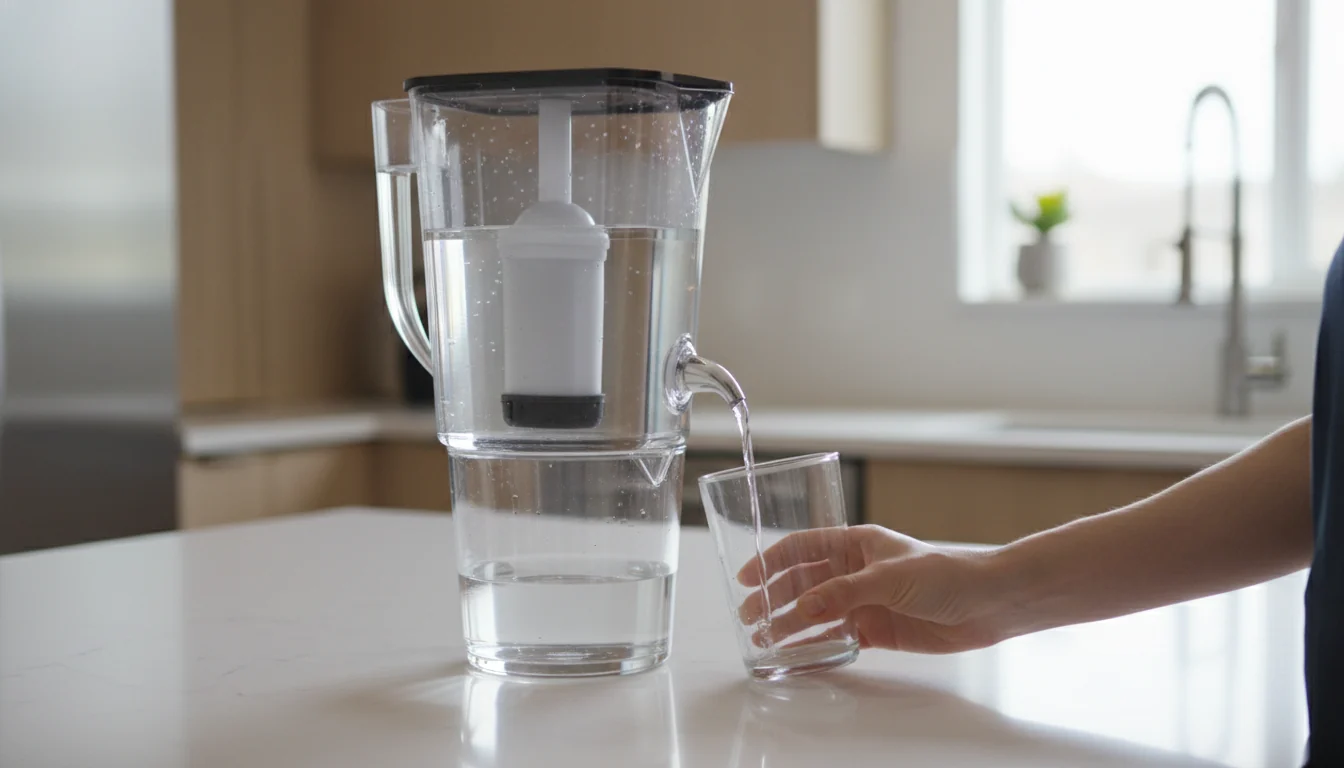
A slow water filter pitcher can turn a simple glass of water into a waiting game. I have seen pitchers slow to a drip because of trapped air, clogged filter media, hard water minerals, fine sediment, or a cartridge that was never seated correctly. Sometimes the filter is doing exactly what it is designed to do. Other times, it is telling you something is wrong.
Before you throw the pitcher away, try a few simple checks. Most slow-flow problems are fixable, or at least explainable.
Key takeaways
- New filters often need soaking, priming, or flushing.
- Trapped air can block flow and make a filter seem defective.
- Old cartridges slow down as media clogs with particles and minerals.
- Hard water, sediment, and well water can shorten filter life.
- If flow changes suddenly, inspect the cartridge, reservoir, and source water.
The most common reason: trapped air
Many pitcher filters use carbon and other media that can trap air when dry. If air pockets block water from moving through evenly, the filter may drip slowly or stop.
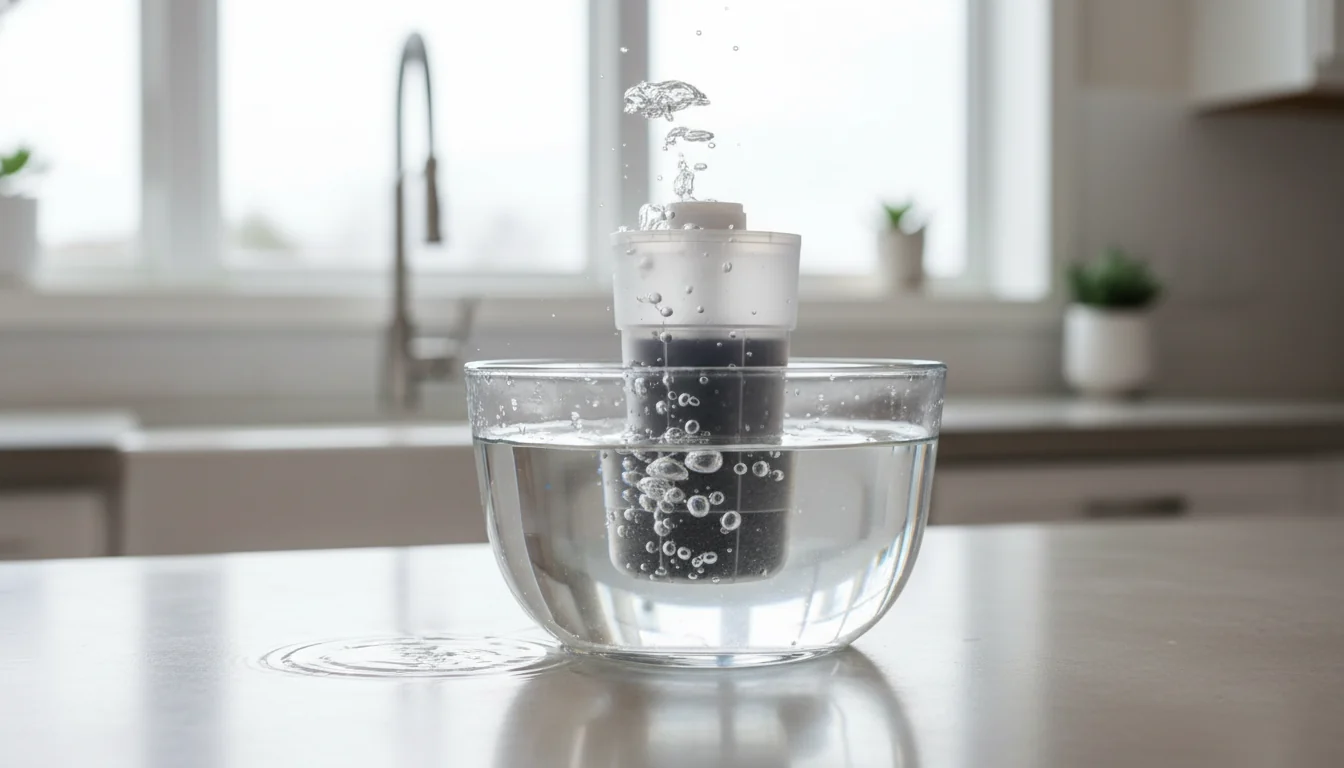
Check the instructions for your specific pitcher. Some cartridges need to be soaked before use. Others need to be flushed under running water or shaken gently while submerged. If your filter is brand new and painfully slow, priming is the first thing I would revisit.
The cartridge may be clogged
Filters slow down as they collect particles and as media becomes loaded. That is normal. If your pitcher worked well for weeks or months and then gradually slowed, the cartridge may simply be near the end of its life.
Replacement schedules are usually based on gallons or time. Heavy use can reach the gallon limit sooner than the calendar suggests. If several people use the pitcher, the filter may not last as long as you expect.
Hard water and mineral buildup
Hard water can make filters work harder. Minerals may contribute to scaling or media exhaustion, depending on the filter type. If you also see white film on dishes, crust on faucets, or scale in a kettle, your pitcher may be dealing with mineral-heavy water.
Most standard pitchers are not whole-house softeners. If hard water is severe, a pitcher may improve taste but still clog or slow sooner than expected.
Sediment and well water
Visible particles, rust flakes, or fine sediment can clog a pitcher quickly. This is especially common in some well water situations or older plumbing. If the top reservoir collects grit, the pitcher is not the right first line of defense.
A sediment problem should be addressed before water reaches a small pitcher cartridge. For wells, testing and appropriate prefiltration may be needed.
Cartridge seating problems
If water bypasses the filter, you may get fast but poorly filtered water. If the cartridge is crooked or over-tightened, you may get slow flow or leaks between chambers. Remove the cartridge, inspect the seal, rinse away loose particles, and reinstall it according to the instructions.
Make sure packaging material was removed. It sounds obvious, but small protective caps or wrappers can be missed.
Cold water can flow more slowly
Very cold water is slightly more sluggish through some filter media. This usually causes a modest slowdown, not a complete stop. If you keep the pitcher in the refrigerator and it is slow, try filtering at room temperature, then chilling the filtered water afterward if the manufacturer allows.
More advanced filters may be slower by design
Some pitchers are designed for more aggressive contaminant reduction. They may use dense media or longer contact time. Slow flow can be part of the design, especially compared with basic taste-and-odor pitchers.
This is why I compare flow expectations before buying. A pitcher that reduces more substances may require more patience. That tradeoff is not always bad, but it should be expected.
How to fix a slow pitcher
Start by checking the manual. Soak or prime the filter again if allowed. Tap or shake the submerged cartridge gently to release bubbles. Reinstall it carefully. Wash the pitcher reservoir and check that the outlet holes are not blocked.
If the cartridge is old, replace it. If the new cartridge slows immediately after proper priming, test your source water for sediment or hardness and contact the manufacturer if needed.
Preventing slow flow
Use cold tap water unless the instructions say otherwise, but avoid pouring visibly dirty water into the pitcher. Replace filters on schedule. Keep the reservoir clean. Do not let a dry cartridge sit installed for long periods if the manufacturer recommends keeping it wet.
I also write the install date on the cartridge package or set a phone reminder. Guessing filter age is where maintenance goes to die.
FAQ
Why is my new pitcher filter barely dripping?
Trapped air is likely. Follow the priming instructions, which may include soaking, flushing, or shaking the filter underwater.
Can I poke holes in the filter to make it faster?
No. That can bypass the filter media and defeat the purpose of using it. If it remains too slow, troubleshoot or replace the cartridge.
Does slow flow mean the water is cleaner?
Not necessarily. Some filters are slow by design, but sudden slow flow can mean clogging, trapped air, or an old cartridge.
Why does my pitcher slow down with well water?
Well water may contain sediment, iron, hardness minerals, or other substances that clog small filters quickly. Testing and prefiltration may be needed.
Final thoughts
A slow water filter pitcher is usually caused by air, clogging, age, or challenging source water. I would prime the cartridge, reseat it, clean the pitcher, and replace old filters before giving up. If the problem keeps returning, the pitcher may be too small for what your water is asking it to do.