
Brita Vs PUR: The Short Answer
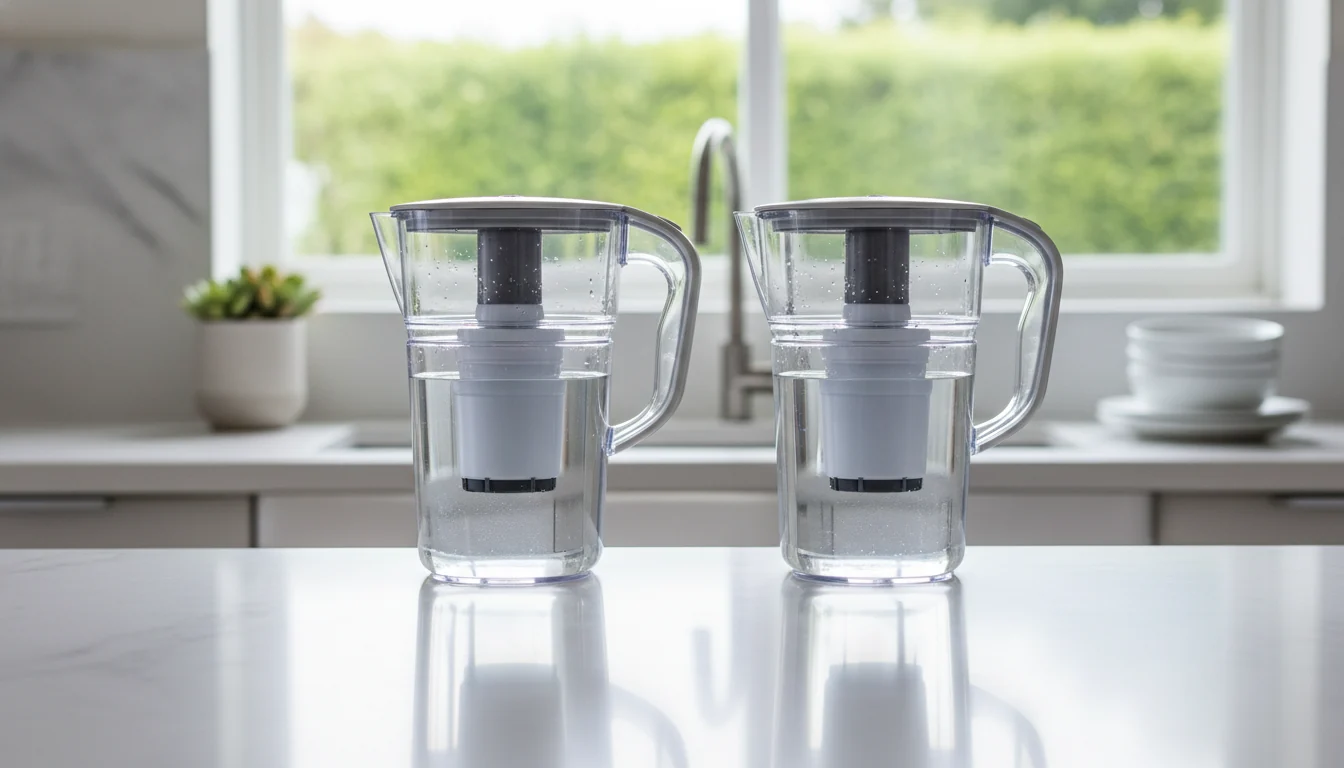
Brita and PUR both make popular home water filters, and either brand can be a sensible choice if your main goal is better-tasting tap water. The better pick depends on what you want the filter to do.
For many homes, Brita is the easier everyday choice if you want a simple pitcher, widely available replacement filters, and a familiar setup that improves taste and odor from chlorine. Brita’s lineup is broad, and the filters are easy to find in many grocery stores, big-box stores, and online.
PUR is often the stronger choice if contaminant-reduction claims are your top priority, especially in the faucet-mount category. PUR has several filters certified for a longer list of contaminants than basic pitcher filters, though the exact claim depends on the specific model and cartridge.
The most important point: do not compare only the brand names. Compare the exact filter model. Brita and PUR each sell multiple products, and one filter from a brand may perform very differently from another.
How I Compare Brita And PUR
When I compare water filters for a typical household, I look at practical details first:
- What the filter is certified to reduce
- Whether it fits the kitchen routine
- How often the cartridge needs replacing
- How easy it is to buy replacements
- Whether the water tastes noticeably better
- The true cost per gallon over time
- Whether the product is likely to be maintained correctly
That last point matters more than people think. A filter that is technically stronger but annoying to refill, slow to pour, or easy to forget will not help much if it sits unused. A slightly simpler filter that your household actually uses every day may be the better choice.
Quick Comparison
| Category | Brita | PUR |
|---|---|---|
| Best known for | Pitchers, dispensers, everyday drinking water | Pitchers and faucet-mount filters with broad reduction claims |
| Main strength | Convenience and availability | Contaminant-reduction certifications on many models |
| Taste improvement | Generally good for chlorine taste and odor | Generally good for chlorine taste and odor |
| Faucet filters | Available, but less central to the brand | A major part of the lineup |
| Replacement filter availability | Very easy to find | Easy to find, especially online and at major retailers |
| Best for | Simple daily filtration | Homes wanting stronger faucet-filter performance |
This table is a starting point, not a final verdict. Always check the packaging or manufacturer performance data for the specific cartridge you plan to buy.
Understanding What These Filters Can And Cannot Do
Brita and PUR products are usually point-of-use drinking water filters, not whole-house treatment systems. They are meant to improve the water you drink and cook with, usually at the pitcher, dispenser, bottle, or faucet.
They are not a universal fix for unsafe water. If your tap water may contain bacteria, sewage contamination, fuel, agricultural runoff, very high lead, or another serious concern, you should test the water and follow local health guidance. A pitcher filter is not the right tool for every water problem.
For municipal tap water that already meets drinking water standards, these filters are commonly used for taste, odor, and an added layer of contaminant reduction. For private wells, testing is even more important because the homeowner is responsible for monitoring water quality.
Certification Matters More Than Marketing
The most useful thing to look for is independent certification, commonly from organizations such as NSF, WQA, or IAPMO. Certifications are usually tied to standards such as:
- NSF/ANSI 42: aesthetic effects, such as chlorine taste and odor
- NSF/ANSI 53: health-related contaminants, such as lead or certain chemicals, depending on the filter
- NSF/ANSI 401: emerging compounds, depending on the product
A filter may be certified for one contaminant but not another. It may reduce lead but not fluoride, or chlorine taste but not dissolved minerals. The certificate and performance data sheet are more useful than a front-label phrase like “advanced filtration.”
Brita Pitchers: What They Do Well
Brita pitchers are popular for good reasons. They are simple, affordable, and easy to fit into a refrigerator. For many households, the biggest difference is taste. If your water has a noticeable chlorine smell or flavor, a Brita pitcher can make water more pleasant to drink.
Brita’s standard-style pitcher filters are typically focused on taste and odor improvement, with some contaminant-reduction claims depending on the filter type. Brita also sells higher-performance options, such as its Elite-style filters, which are marketed for longer life and broader reduction claims than basic filters.
The biggest advantages are convenience and replacement availability. If you are the kind of person who wants to buy filters while shopping for groceries, Brita is hard to beat. The cartridges are common, and the pitchers come in many sizes.
The tradeoff is that pitcher filtration can be slow, especially when the filter is new or near the end of its life. You also need to refill it regularly. In a larger household, a small pitcher may feel like it is always empty.
PUR Pitchers: What They Do Well
PUR pitchers compete directly with Brita and offer similar everyday convenience. Many people choose PUR because the brand emphasizes contaminant reduction, and several PUR products carry certifications for a wide list of substances.
A PUR pitcher can be a good fit if you want pitcher convenience but also care about more than taste. As with Brita, the specific cartridge matters. Some PUR filters are designed for standard use, while others have broader reduction claims.
In daily use, PUR pitchers can feel similar to Brita pitchers: fill the reservoir, wait for water to pass through, pour, and replace the cartridge on schedule. The shape, lid design, and pour feel may matter more than expected, so it is worth choosing a pitcher size that fits your fridge and your routine.
Faucet-Mount Filters: PUR Often Has The Edge
If the comparison is specifically Brita faucet filter vs PUR faucet filter, PUR is often the brand I would look at first. PUR’s faucet-mounted filters are a major part of its lineup, and many shoppers choose them because they want filtered water on demand without refilling a pitcher.
A faucet filter can be more convenient than a pitcher if you cook often, fill bottles, or have several people drinking water throughout the day. You turn the filter on when you want filtered water and turn it off when washing dishes.
The downside is compatibility. Faucet filters do not fit every faucet, especially pull-down, pull-out, spray-style, or unusually shaped faucets. They also add weight and bulk to the faucet. Some people love them; others find them awkward.
Brita also makes faucet filters, and they may work well for many homes. But if faucet filtration is your main goal, PUR is usually the more natural comparison point because the category is one of PUR’s strengths.
Taste: Which One Makes Water Taste Better?
Taste is personal, but both Brita and PUR commonly improve water that tastes or smells like chlorine. If your water is already mild, the difference may be subtle. If your water has a strong pool-like smell, either brand may make a noticeable improvement.
In my experience reviewing home water filter setups, taste satisfaction often comes down to three things:
- Whether the filter is fresh
- Whether the pitcher or dispenser is cleaned regularly
- Whether the water is chilled before drinking
A dirty pitcher can make filtered water taste stale. A cartridge that is past its recommended life can slow down and may not perform as intended. Cold water also tends to taste better to many people, which is one reason fridge pitchers are so popular.
If your water has a metallic, rotten egg, salty, earthy, or fuel-like taste, do not assume a Brita or PUR filter will solve it. Those tastes can point to different issues, and testing may be the smarter first step.
Lead Reduction: Check The Exact Cartridge
Lead is one of the main reasons people upgrade from a basic taste-and-odor filter to a more advanced cartridge. Both Brita and PUR have sold filters with lead-reduction claims, but not every cartridge from either brand is certified for lead.
This is where shoppers can make an expensive mistake. Buying a Brita pitcher does not automatically mean you have lead reduction. Buying a PUR pitcher does not automatically mean it either. You need the cartridge that is certified for that purpose.
If lead is your concern, look for:
- A current certification for lead reduction
- The exact model number on the certificate
- Clear replacement timing
- Proper flushing or priming instructions
- A plan to replace filters before they are exhausted
If you have known lead service lines, old plumbing, or a child in the home, consider water testing and local guidance in addition to point-of-use filtration.
Filter Life And Replacement Schedule
Filter life varies by model. Some basic pitcher filters are rated for fewer gallons, while premium cartridges may last longer. Faucet filters usually have their own gallon ratings and indicator systems.
The replacement schedule is not just about gallons. Water quality and sediment can affect flow. A filter may clog early if your water has a lot of particles. A household of five will also use up a filter faster than a single person.
Many pitchers include a sticker, dial, or electronic reminder. Those reminders are helpful, but they are not a water quality test. They usually estimate time or use. If the water flow slows dramatically, taste changes, or the filter has exceeded its stated life, replace it.
A filter that is left in service too long can become frustratingly slow and may no longer reduce contaminants as claimed.
Cost: The Pitcher Is Not The Real Expense
The pitcher or faucet unit is a one-time purchase. The filters are the ongoing cost. When comparing Brita vs PUR, check the price of replacement packs before choosing the system.
To estimate cost, divide the filter pack price by the number of gallons the cartridges are rated to treat. This gives a rough cost per gallon. It will not be perfect, but it is better than comparing sticker prices.
A cheaper cartridge is not always cheaper if it has a shorter life. A more expensive cartridge may be reasonable if it lasts longer or carries the certifications you need. The right value depends on your water concerns, not just price.
FAQs About Brita Vs PUR Filters
Is Brita or PUR better for everyday tap water?
Brita is often the easier everyday pitcher choice, while PUR is worth comparing if you want faucet-mounted filtration or broader reduction claims. The best pick depends on the exact cartridge and your water concern.
Do Brita and PUR remove chlorine taste?
Both brands offer filters designed to improve chlorine taste and odor. Check the specific filter label and replacement schedule because performance varies by cartridge.
Which filter lasts longer, Brita or PUR?
Filter life depends on the model, water quality, and how much water your household uses. Compare gallons per cartridge and replacement cost, not just the pitcher price.
Can Brita or PUR replace water testing?
No. A filter can reduce specific contaminants only if it is designed and tested for them. If you suspect lead, PFAS, bacteria, or well-water problems, test first and choose a filter based on the results.
Ease Of Use In Real Kitchens
For one or two people, a standard pitcher may be enough. For families, roommates, or anyone filling large bottles, a dispenser or faucet filter may be more practical.
Consider these questions before choosing:
- Does the pitcher fit your refrigerator door or shelf?
- Is it easy to refill under your faucet?
- Can children or older adults lift it safely when full?
- Do you need filtered water for cooking?
- Will someone remember to replace the filter?
- Does your faucet support a faucet-mount filter?
Small annoyances matter. A lid that falls off, a reservoir that spills, or a pitcher that is too tall for the fridge can make people stop using the filter.
Brita Vs PUR For Apartments
For renters, both brands are attractive because they do not require plumbing changes. A pitcher, dispenser, or compatible faucet filter can be installed or removed easily.
Brita may be better if you want the simplest no-installation option. PUR may be better if you want filtered water at the faucet and your sink is compatible.
If your apartment has old plumbing and you are worried about lead, do not rely on brand reputation alone. Use a certified lead-reduction cartridge and consider testing your tap water. Also check whether your city provides water quality reports or lead service line information.
Brita Vs PUR For Families
For families, capacity becomes more important than brand. A small pitcher may not keep up with school bottles, cooking, coffee, and dinner water. A large dispenser or faucet filter may reduce the constant refill cycle.
Families should also think about replacement discipline. If several people use the filter but nobody owns the maintenance job, cartridges can stay in too long. Set a calendar reminder or write the replacement date on the cartridge box.
If babies, pregnant people, elderly adults, or immunocompromised people are in the home, be more cautious. Use products as directed and seek professional guidance if there is a known contamination issue.
What About Fluoride?
Many common carbon-based pitcher and faucet filters are not designed primarily for fluoride reduction. Some specialty filters can reduce fluoride, but you should not assume Brita or PUR will do so unless the exact product documentation says it is certified or tested for that purpose.
If fluoride removal is your goal, look for a filter specifically designed and independently tested for fluoride reduction. Reverse osmosis systems are often considered for this purpose, but they cost more, waste some water, and require more maintenance than a simple pitcher.
Maintenance Tips For Either Brand
No matter which brand you choose, the basics are the same:
- Wash pitchers and dispensers regularly according to the instructions
- Keep the clean-water reservoir covered
- Do not run hot water through filters unless the product says it is allowed
- Replace cartridges on schedule
- Store spare filters in a clean, dry place
- Follow priming and flushing instructions
- Do not use a filter with microbiologically unsafe water unless it is designed for that use
Good maintenance protects both taste and performance.
Who Should Choose Brita?
Choose Brita if you want a straightforward pitcher or dispenser for everyday drinking water. It is a strong choice if your main concerns are chlorine taste, odor, convenience, and easy replacement shopping.
Brita is also a good fit if you are buying your first water filter and want a low-effort way to drink more tap water and less bottled water. For many homes, that simple change is the real benefit.
Just make sure the cartridge you choose matches your concern. If you need lead reduction or broader contaminant reduction, choose the appropriate Brita filter rather than the most basic option.
Who Should Choose PUR?
Choose PUR if you want a filter with strong certification details, especially if you are considering a faucet-mounted system. PUR can be a good fit for households that want filtered water on demand and do not want to keep refilling a pitcher.
PUR is also worth considering if you are focused on contaminant reduction and are willing to read the performance data sheet before buying. The brand’s better filters may offer the kind of claims you are looking for, depending on the model.
As with Brita, do not assume every PUR product does the same thing. Match the exact filter to your water concern.
Final Verdict: Brita Or PUR?
For most people choosing a simple pitcher, Brita is the more convenient default. It is widely available, easy to use, and good for improving the taste of everyday municipal tap water.
For people who want faucet-mounted filtration or a broader contaminant-reduction focus, PUR is often the better place to start. Its faucet filters are especially worth comparing if your sink is compatible.
The best answer is not really Brita or PUR. It is the filter with the right certification, capacity, replacement cost, and routine fit for your home.
Before buying, check your local water report, identify your top concern, and read the performance data for the exact cartridge. That small amount of homework is what turns a basic purchase into a smart water decision.