
When I first looked into how to reduce microplastics in your home, I felt overwhelmed. Plastic is in packaging, fabrics, dust, bottles, cookware, and plenty of places we barely notice.
The good news is that how to reduce microplastics in your home does not require panic or perfection. In my experience, the biggest wins come from boring, repeatable habits: filtering water, reducing dust, avoiding heat on plastic, and choosing durable materials.
I wrote this guide because I wanted a realistic plan for how to reduce microplastics in your home without turning daily life upside down. I still use some plastic, but I use less of it, heat it less often, and replace the worst habits first.
Key Takeaways
- Start with drinking water, kitchen heat exposure, laundry fibers, and household dust.
- Use filters only when they are certified or clearly tested for the contaminant range you care about.
- Avoid microwaving food in plastic and reduce hot liquids in plastic containers.
- Microplastic health research is still developing, so use cautious language and practical prevention.
- Small changes repeated daily usually beat expensive one-time purchases.
What microplastics are and why I focus on habits
The basic definition
Microplastics are tiny plastic particles, often described as pieces smaller than 5 millimeters. They can come from larger plastics breaking down or from products that shed small particles during use.
They are found in the environment, household dust, food pathways, and water systems. That does not mean every exposure causes a specific illness, but reducing avoidable exposure is reasonable.
This isn’t medical advice — consult a professional if you have health concerns.
Why home habits matter
I cannot control every particle in the world, but I can control what I heat, drink from, wash, vacuum, and buy. Those choices add up.
When I stopped microwaving leftovers in plastic, the change felt almost too simple. But simple is exactly why it stuck.
What I do not claim
I do not claim that one filter, bottle, or laundry gadget removes all microplastics. I also do not invent lab results for products.
The goal is not a plastic-free fantasy; it is fewer avoidable plastic particles in everyday routines.
Start with drinking water
Check your water source
If you use public water, read your local Consumer Confidence Report when available. If you use a private well, testing is your responsibility, and microplastics may not be part of a standard test.
For bottled water, remember that the bottle, cap, storage conditions, and handling all matter. I avoid leaving plastic bottled water in heat.
Choose filters carefully
For microplastics, filtration pore size and product testing matter. NSF/ANSI standards are useful for many contaminants, but not every certified filter is certified for microplastics specifically.
I look for transparent test data, fine filtration claims, and replacement schedules I can actually follow. A neglected filter is not an upgrade.
My drinking-water upgrade path
- Identify whether you drink mostly tap, bottled, fridge-filtered, or pitcher-filtered water.
- Read the filter label and certification claims carefully.
- Replace old cartridges on schedule.
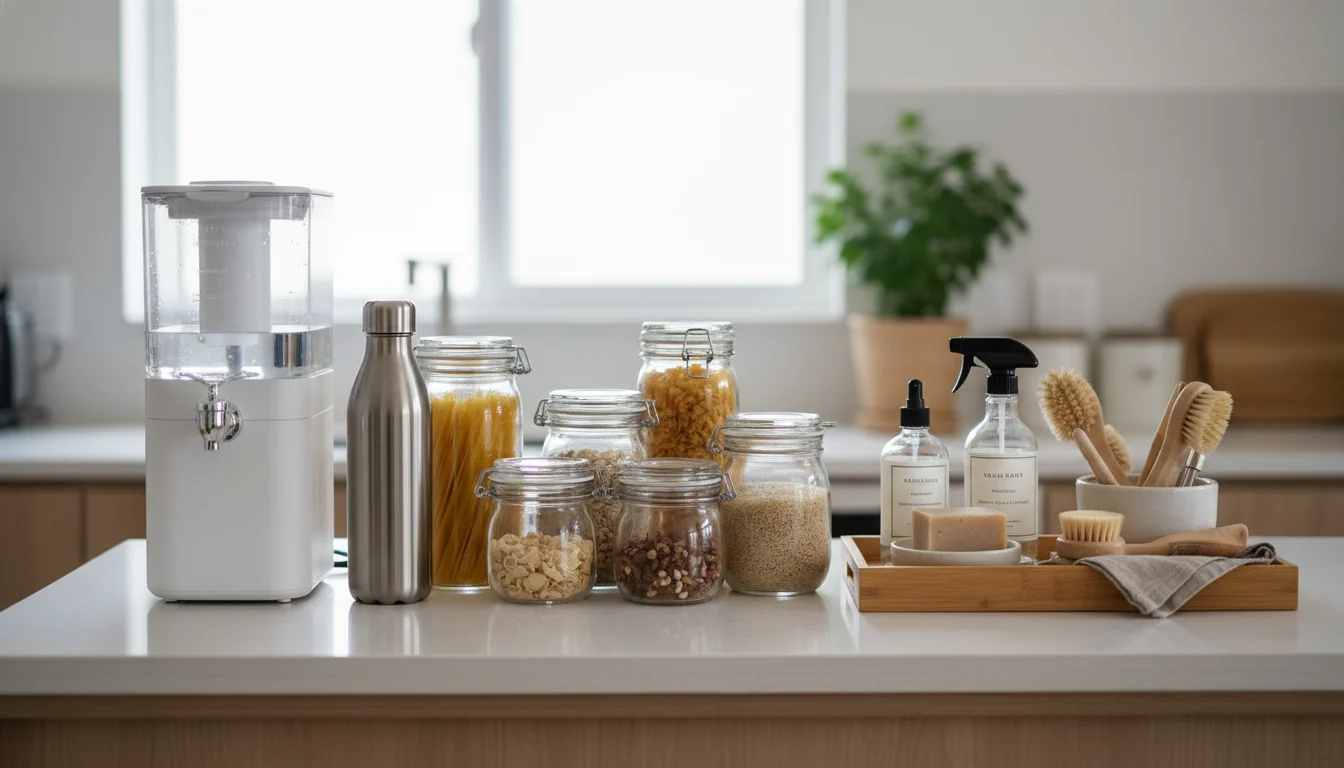
- Store water in glass or stainless steel when practical.
- Avoid heat exposure for plastic bottles and reservoirs.
| Water option | Microplastic reduction upside | Watch-outs |
|---|---|---|
| Tap plus quality filter | Can reduce particles depending on filter design | Must verify claims and replace cartridges |
| Bottled water | Convenient backup | Plastic packaging and heat storage concerns |
| Glass/stainless storage | Reduces contact with plastic containers | Requires cleaning and careful handling |
READ MORE Best Water Filters for Microplastics Water Filtration & Treatment
Change kitchen heat habits first
Stop heating plastic when possible
Heat is one of the first places I make changes. I do not microwave food in plastic containers, and I avoid pouring boiling liquids into plastic cups or pitchers.
Instead, I use glass or ceramic for reheating. Stainless steel works well for storage, but not microwave use.
Replace scratched containers
Scratched plastic can shed more easily and is harder to clean. I retired several cloudy containers after realizing they always felt greasy no matter how I washed them.
Now I use glass containers for leftovers I plan to reheat. Plastic is reserved for cool, dry, short-term storage.
A practical kitchen swap list
- Glass containers for reheatable leftovers.
- Stainless steel lunch containers for dry snacks.
- Wooden or stainless utensils instead of damaged plastic utensils.
- Loose tea infusers instead of plastic-containing tea bags when possible.
- Cutting boards replaced when heavily scored.
Reduce microplastics from laundry
Synthetic fabrics shed fibers
Polyester, nylon, acrylic, and fleece can shed tiny fibers in washing and drying. I still own synthetic clothing, but I wash it more thoughtfully.
Fleece is the one I watch most closely because it visibly sheds lint. I wash it less often when it is not truly dirty.
Laundry changes I use
- Wash full loads instead of tiny loads.
- Use cold water when appropriate for the fabric.
- Choose gentler cycles for synthetics.
- Air-dry fleece and delicate synthetics when practical.
- Clean lint traps and consider fiber-catching products with realistic expectations.
Buying fewer high-shed items
The best laundry fix may happen at the store. I buy fewer cheap synthetic fleece items and choose longer-lasting fabrics when they fit the job.
The lowest-shedding garment is often the one you did not buy twice.
Control household dust
Dust is a major pathway
Household dust can contain fibers from carpets, upholstery, clothing, packaging, and outdoor particles. I noticed less visible dust when I switched from dry dusting to damp wiping.
That does not prove a lab result, but it changed what I saw on shelves and windowsills.
Cleaning tools that help
A HEPA vacuum, damp microfiber cloth, good doormats, and regular filter changes can all help reduce indoor dust. Microfiber cloths are themselves synthetic, so I wash them carefully and use them until worn rather than treating them as disposable.
My weekly dust routine
- Open windows briefly if outdoor air quality is good.
- Vacuum floors and fabric furniture with a HEPA-equipped vacuum.
- Damp-wipe hard surfaces from high to low.
- Wash pet bedding and entry rugs when needed.
- Replace or clean HVAC filters on schedule.
Rethink bottled water and reusable bottles
Bottled water has a role
I keep bottled water for emergencies, travel, and specific situations. But I no longer use single-use bottles as my default home drinking system.
The shift to filtered tap water in a glass pitcher made our kitchen trash lighter and our routine simpler.
Choose bottle materials wisely
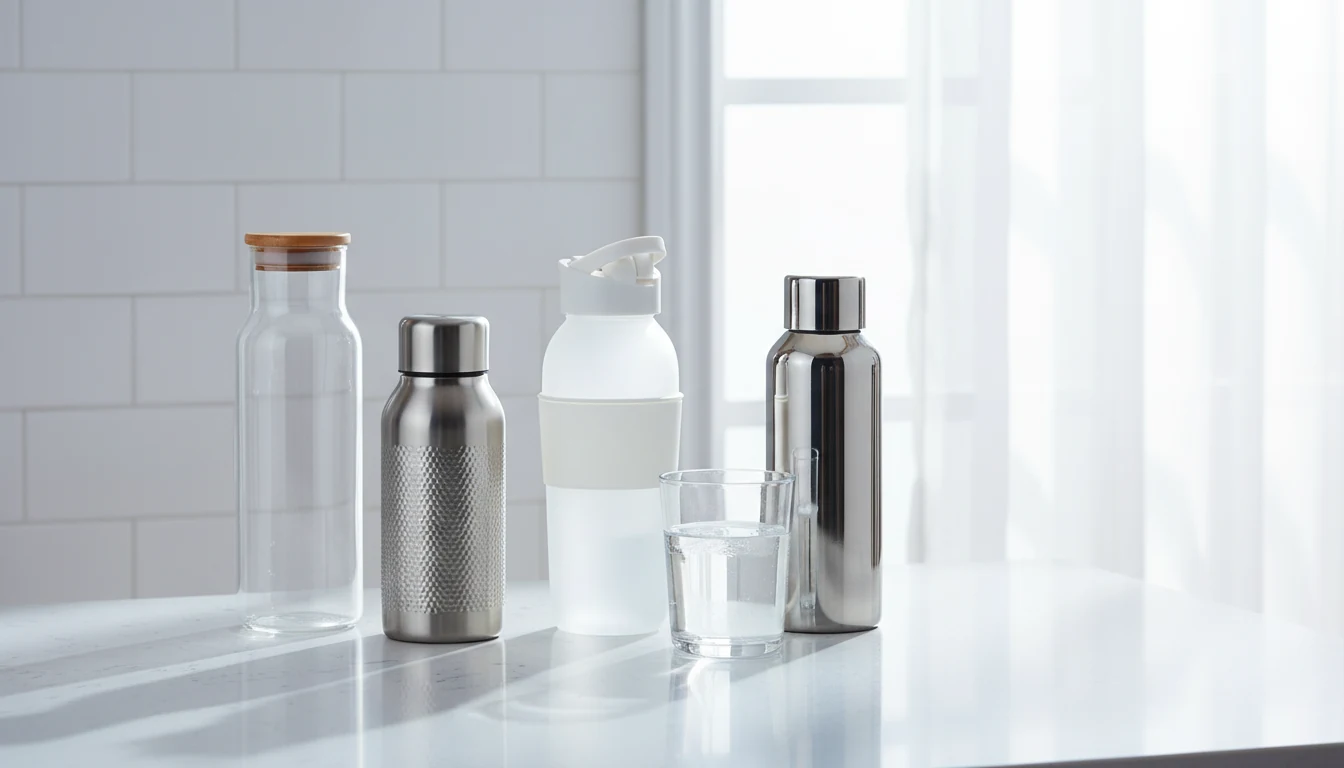
Glass and stainless steel reduce daily drinking contact with plastic. Plastic bottles can still be useful for kids or lightweight travel, but I avoid heat and replace worn bottles.
Compare bottle choices
| Bottle material | Best use | Microplastic-related caution |
|---|---|---|
| Glass | Desk, fridge, home use | Breakage risk, use a sleeve if needed |
| Stainless steel | Travel, gym, school | Clean lids and gaskets thoroughly |
| Plastic | Lightweight backup | Avoid heat, scratches, and long-term wear |
READ MORE Glass vs Stainless Steel vs Plastic Bottles Bottled Water & Safer Bottles
Food storage and grocery habits
Reduce plastic packaging where realistic
I do not pretend every grocery trip can be plastic-free. But I choose loose produce, larger containers instead of many tiny packets, and glass-packaged foods when the price is reasonable.
One mistake I made early was buying “eco” swaps that I never used. Now I only buy replacements that fit how we already cook.
Be careful with fatty and hot foods
Hot foods and oily foods can interact more with packaging than cold dry foods. I transfer takeout to a plate or glass container when reheating.
Small swaps that stick
- Use a plate over a bowl instead of plastic wrap when practical.
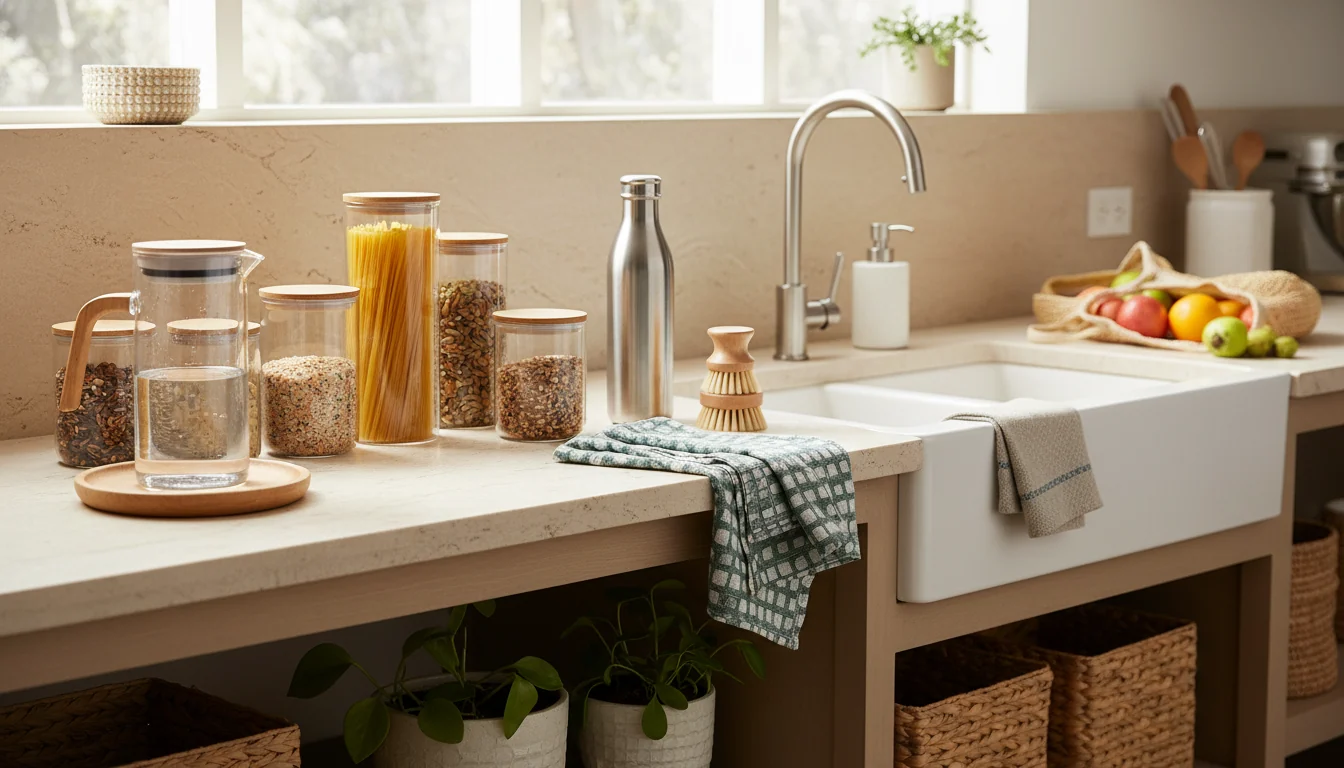
- Store dry pantry staples in glass jars after opening.
- Bring reusable produce bags if you will actually remember them.
- Avoid cutting food on badly gouged plastic boards.
Air, HVAC, and entryway habits
Stop particles at the door
Shoes track in dust, fibers, and outdoor debris. A shoe-off habit and good entry mat are low-cost changes.
This was one of the easiest wins in my house. Floors stayed cleaner, and vacuuming felt more effective.
Maintain filters
HVAC filters are not magic microplastic removers, but good filtration and regular replacement can reduce airborne dust. Use the filter rating your system can handle without airflow problems.
Ventilation matters
Cooking, cleaning, and indoor activities all affect air quality. I ventilate when outdoor conditions are good and avoid heavily fragranced products that add unnecessary indoor chemistry.
How to prioritize without panic
Start with high-contact habits
I prioritize what touches drinking water, hot food, and indoor dust. Those are daily exposures, so changes there feel worthwhile.
I do not throw away every plastic item. I replace items at end of life and move the worst-use plastics out first.
My 30-day plan
- Week 1: Stop microwaving plastic and inspect water bottles.
- Week 2: Review your drinking-water filter and replacement schedule.
- Week 3: Improve laundry settings for synthetic fabrics.
- Week 4: Add damp dusting, HEPA vacuuming, and entryway mats.
What to skip at first
Skip expensive gadgets with vague claims. Skip fear-based products that promise total detox. Skip swaps that make your routine harder than it needs to be.
If you want to reduce single-use plastic, compare BPA-free reusable bottles, glass bottles, and stainless steel options before choosing.
As an Amazon Associate, Clean Water In Homes may earn from qualifying purchases.
If a microplastic-reduction habit is annoying every day, it probably will not survive the month.
FAQ
Can home filters remove microplastics?
Some filters can reduce particles, depending on pore size, design, and testing. Check certification and manufacturer data carefully, and replace cartridges on schedule.
Is bottled water worse for microplastics than tap water?
It depends on the water source, packaging, storage, and treatment. I avoid broad claims and focus on reducing heat-stored plastic bottles and using reliable filtration where appropriate.
Should I throw away all plastic containers?
No. I would start by replacing scratched, warped, cloudy, or heat-used containers, especially those used for reheating. Use up durable items wisely and replace them gradually.
Are microplastics proven to cause health problems?
Research is still developing, and exposure does not translate neatly into a specific personal risk. Reducing avoidable exposure is sensible, but health concerns should be discussed with a professional. This isn’t medical advice — consult a professional if you have health concerns.
Conclusion
My personal-considerations angle
For me, reducing microplastics works best when I focus on daily friction points: water, heat, laundry, dust, and worn plastic. I make the easy changes first because they are the ones I keep.
My final-recommendation angle
Start with one drinking-water upgrade, one kitchen heat rule, and one cleaning habit. Then build from there. You do not need a perfect home; you need fewer avoidable plastic particles and a routine you can live with.