
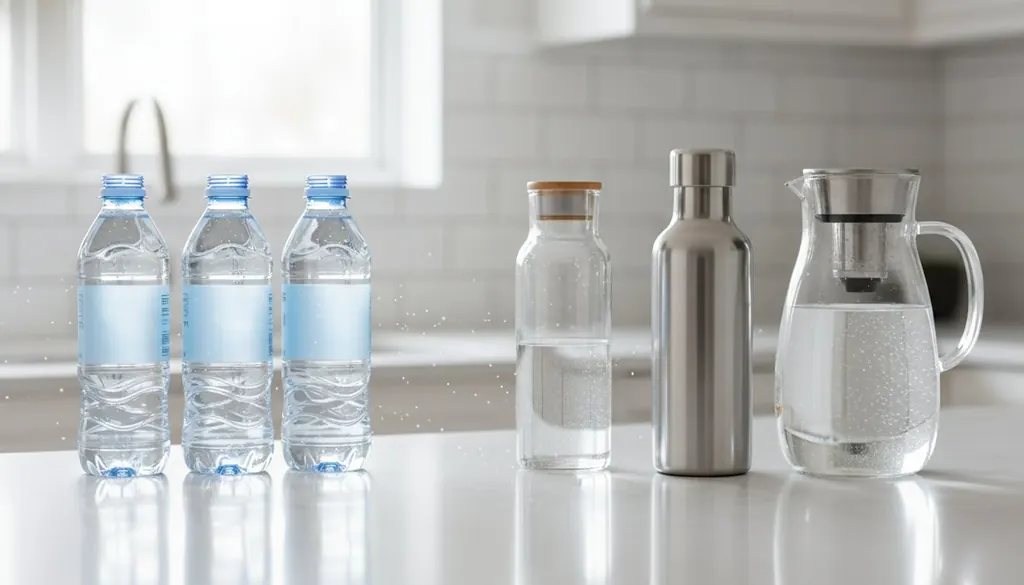
If you are trying to reduce microplastic exposure, the bottled water to avoid is usually not defined by one scary label. The bigger issue is the combination of brand transparency, bottle material, storage conditions, and whether the company publishes useful testing information.
This guide summarizes which bottled water brands and bottle types deserve extra caution based on the microplastic discussion already covered on Clean Water In Homes. “Avoid” here means “consider switching if microplastic reduction is your priority,” not that a brand is officially unsafe or recalled.
Bottled water brands to approach carefully
Testing summarized in our bottled water microplastics guide shows that microplastic counts vary by brand. If you want the lowest possible exposure, compare brands by published testing, bottle type, and packaging transparency before buying.
1. Evian plastic bottles
Evian is often viewed as a premium bottled water, but plastic packaging can still matter. If you choose Evian, glass packaging is generally the better microplastic-conscious option when available.
2. FIJI Water plastic bottles
FIJI is another premium brand where packaging and storage conditions matter. Avoid bottles that have been stored in heat or direct sunlight for long periods.
3. Aquafina
Aquafina is widely available, but shoppers focused on microplastic reduction should compare it against brands with clearer testing data and lower reported particle counts.
4. Smartwater
Smartwater can be a better-performing option in some comparisons, but it is still commonly sold in plastic. If microplastics are your main concern, compare it against glass bottled water and filtered tap water alternatives.
5. Dasani
Dasani is another common plastic-bottled brand. It may not be the highest concern in every comparison, but the same plastic-bottle caution applies.
Bottle types to avoid when possible
- Plastic bottles stored in hot cars, warehouses, or direct sunlight.
- Old, scratched, or reused single-use plastic bottles.
- Brands that do not clearly explain their water source, filtration, or testing standards.
- Plastic bottled water when a glass bottle or quality home filter is practical.
Cleaner alternatives
If your goal is lower microplastic exposure, start with these comparisons:
- Which bottled water has least microplastics?
- Healthiest bottled water to drink
- Glass vs stainless steel water bottles
- Does Brita actually work?
Bottom line
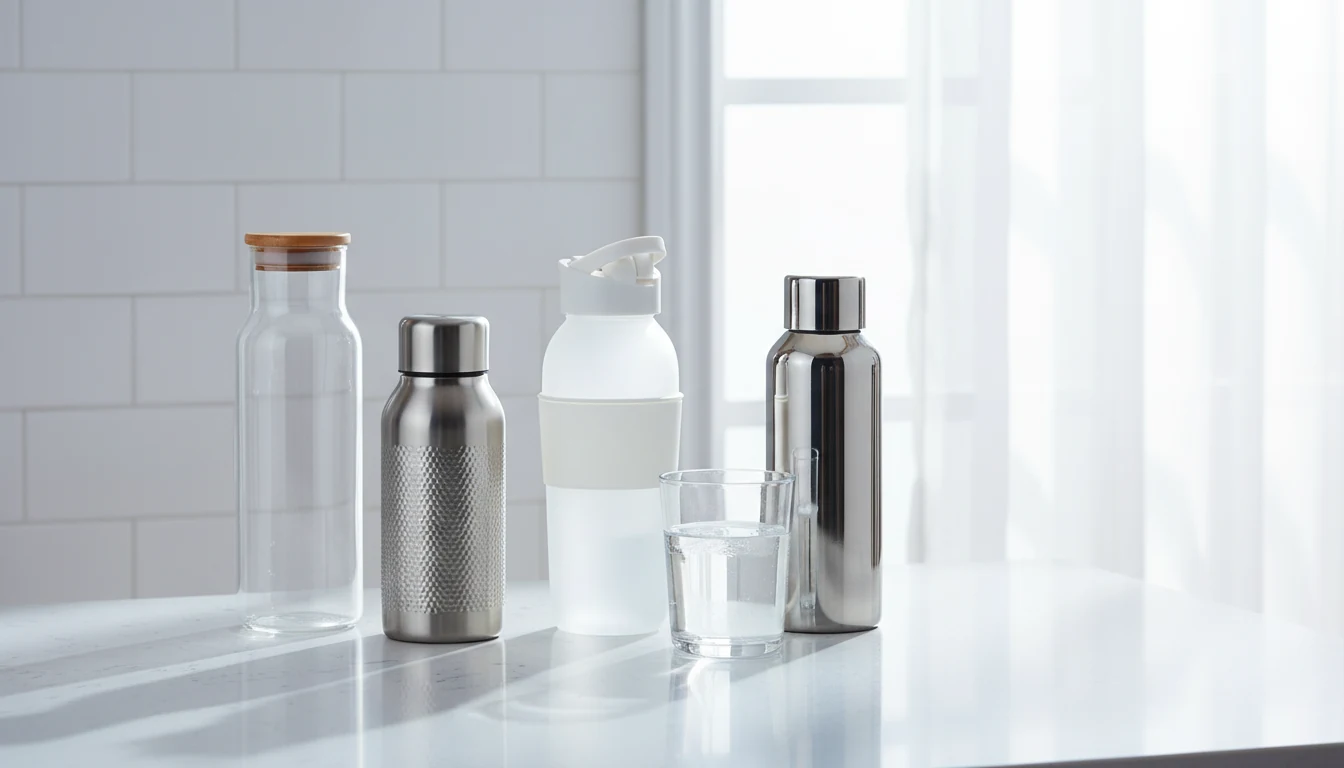
If you want to reduce single-use plastic, compare BPA-free reusable bottles, glass bottles, and stainless steel options before choosing.
As an Amazon Associate, Clean Water In Homes may earn from qualifying purchases.
The bottled water brands to avoid are the ones that give you the least confidence: unclear testing, plastic packaging, poor storage conditions, or no transparency. For most people, the safer long-term strategy is to compare low-microplastic bottled water brands, choose glass when practical, and use a reliable home filter where possible.
Related bottled water and microplastic safety guides
Continue comparing safer drinking-water options with these related guides: