
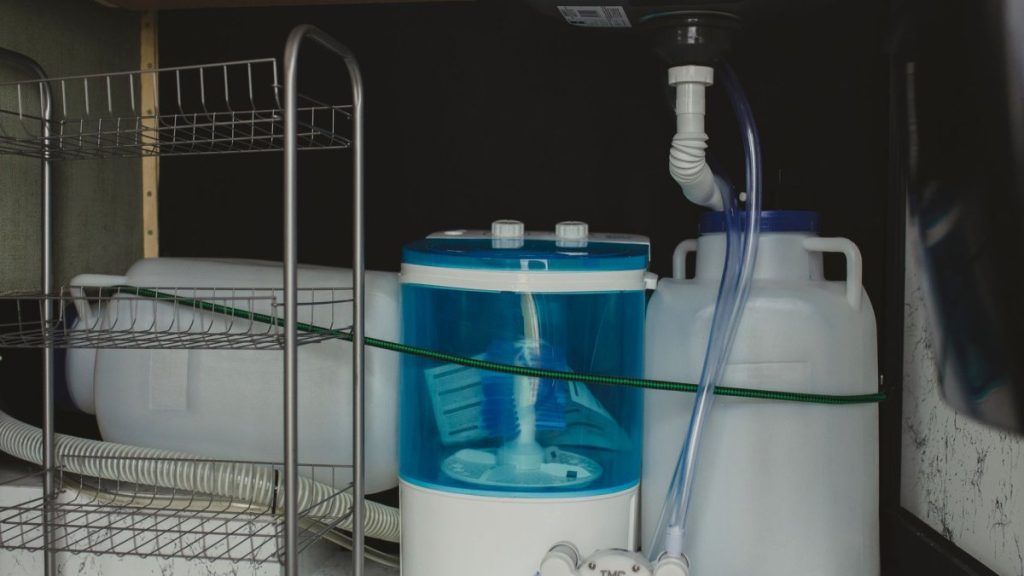

Expect to pay roughly $150 to $4,800 for a residential reverse osmosis system, unit and installation combined. Where you land in that range depends mostly on one thing: whether you’re buying a small point-of-use unit for the kitchen or treating every tap in the house.
Online prices stretch from $150 all the way to $25,000, which makes budgeting feel impossible. It’s simpler than it looks. This guide breaks down what each system type costs installed, when you need a plumber, and what the ongoing bills look like.
How Much Does RO Installation Cost?
For most homes, an under-sink system is the right size, and it runs from a few hundred dollars to roughly $1,000 or more installed, depending on whether you hire out the work. Whole-house systems start around $2,000 for an entry-level setup and climb steeply from there.
Beyond system type, brand and build quality move the number too. The table below lines up each system type side by side. After that, we’ll cover labor, price drivers, add-ons people forget, and what you’ll spend on filters over time.
Installed Cost by System Type
System type drives price more than anything else. Countertop units are cheapest and need no installation, under-sink units sit in the middle, and whole-house RO is the most expensive by a wide margin.
| System type | Unit cost | Labor | Total installed | DIY-friendly? | Filter upkeep |
|---|---|---|---|---|---|
| Countertop | From about $150 | None | Roughly $150 and up | Yes, plug and play | Low |
| Under-sink, standard (with tank) | Low to mid hundreds | Modest if you hire out | A few hundred to $1,000+ | Yes, for most handy people | Low to moderate |
| Under-sink, tankless | Higher than a tank model | Modest if you hire out | Usually more than a tank model | Mostly, needs more care | Moderate |
| Whole-house, basic | Varies | Varies | Starts around $2,000 | No | Higher |
| Whole-house, complex | Varies | Varies | Can reach $25,000+ | No | Highest |
Treat the qualitative entries as planning guides, not quotes. Your actual price depends on the brand, your plumbing and your local labor market.
The tank versus tankless trade-off is simple. A tank model costs less and keeps a few gallons ready, while a tankless unit costs more but frees up cabinet space and delivers water without the wait.
Unit Price vs. Plumber Labor
For an under-sink RO system, the unit is usually the bigger share of the bill, and a plumber adds a modest labor charge. Labor grows when the plumbing is awkward or the job is larger than a standard swap.
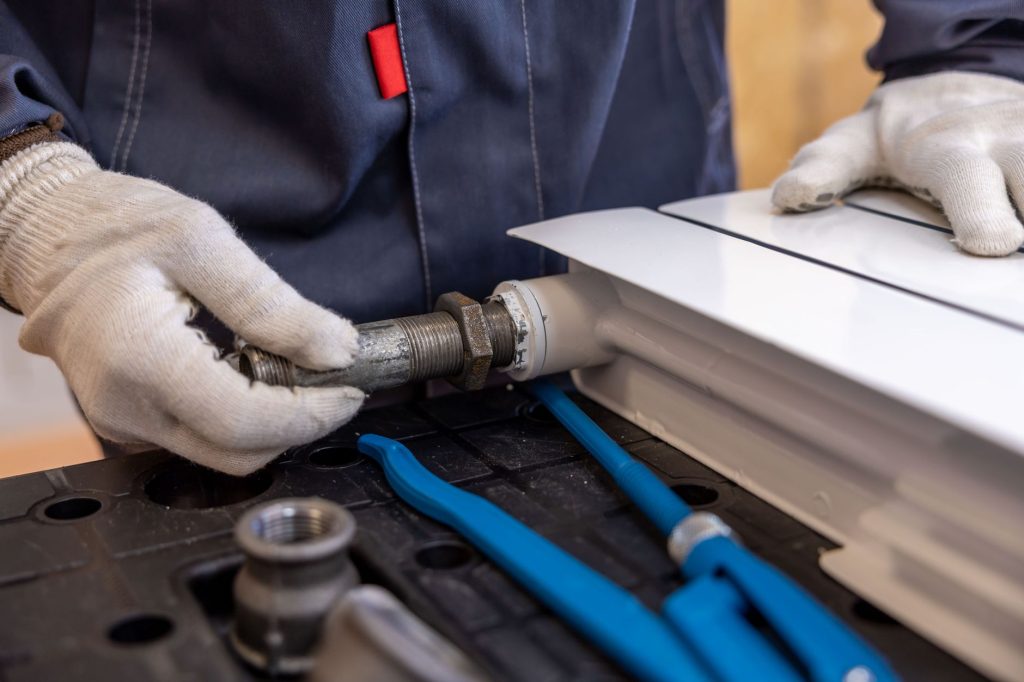
Homewyse puts the national average for a basic water filter system install at $990 to $1,245 per system (May 2026). That figure covers a general filter install, not specifically RO, so use it as a reference point rather than a promise. Homewyse also says its estimates assume mid-range work in easy-to-reach conditions, and that high-demand pros, scheduling problems and local labor shortages can push the real number higher.
Plumbers quote either hourly or flat rate. For a standard under-sink install, a flat rate is easier to compare, and it often bundles basic fittings and a cleanup. Hourly billing is more common when the scope is unclear, and some plumbers add a minimum service call. Check plumber labor rates in your area before you assume a number.
Here’s a quick test. Say you get a $1,200 quote to replace an existing under-sink unit. That’s high if the old unit’s connections are in place and the new one is a standard model. It’s fair if the price includes a premium system, a new RO faucet, drilling into stone and haul-away of the old unit.
A fair quote itemizes four things: the unit, labor, parts and haul-away. If a plumber won’t break those out, get another quote.
What Makes the Price Go Up or Down
Brand, filtration stages, water pressure, water quality and your water source all move the final price. Some of these you control. Others depend on what’s coming out of your pipes.
- Stages and certifications. A basic four-stage unit costs less than one with extra stages or independently certified contaminant reduction. Pay for certification if you’re treating a specific concern, and skip it if you just want better taste.
- Tank or tankless. Tankless costs more upfront, as noted above, but it saves cabinet space.
- Water pressure. RO membranes need decent incoming pressure. If yours is low, you’ll likely need a booster pump, which adds both cost and a plug-in component.
- Water quality. High TDS, hardness, iron or sediment shorten membrane life and can call for pre-treatment equipment.
- City water versus well water. City water is usually the easier case. Well water varies widely, so test it before you shop.
- Local labor market. Homewyse notes that busy pros, tight schedules and local labor shortages raise costs. Booking in a slow season can help.
Extra Install Costs Few Guides Mention
Beyond the unit and labor, small add-ons like a drain saddle, faucet hole drilling or a booster pump can add noticeable money to the final bill. Most are modest alone, but they stack up.
- Drain saddle, RO faucet and fittings. Many kits include them. Cheaper kits sometimes skip the faucet or use flimsy fittings, and replacing them costs extra.
- Drilling for the faucet. A sink with a spare hole costs nothing. Granite, quartz and other stone countertops may need a specialist with the right bit, because a cracked countertop costs far more than the whole system.
- Fridge or ice maker line. Running filtered water to the refrigerator means extra tubing and fittings, and a longer job for a pro.
- Booster pump or permeate pump. A booster pump helps with low pressure. A permeate pump improves efficiency and cuts wastewater.
- Remineralization stage. RO strips minerals, so some people add a post-filter to put a little back for taste.
- Permits. Under-sink units rarely need one, but whole-house installs sometimes do. Ask your local building department.
DIY or Plumber: Do You Need One?
No, you don’t always need a plumber. A handy homeowner can install most under-sink RO units in a few hours, while whole-house systems usually need a professional.
Go the DIY route if the checklist below fits your kitchen.
Checklist
- The cold water shutoff valve under the sink is easy to reach and works.
- Your cabinet has room for the filters and a storage tank, or you’re buying a tankless unit.
- You can reach the drain pipe for the drain saddle.
- Your sink or counter already has a hole for the RO faucet, so no stone drilling is needed.
- You have a drill, an adjustable wrench, a tubing cutter and Teflon tape.
- Your manufacturer’s warranty doesn’t require professional installation.
A first-timer should set aside a few hours, and a plumber is often done sooner. Most of that time goes to mounting the filter housings, tapping the drain line and checking for leaks after you turn the water on.
Call a plumber for any whole-house system, for hard-to-reach or corroded supply lines, or if the warranty needs a licensed installer. A leak under a cabinet can ruin flooring before you notice, so if you’re unsure about threaded fittings, pay for the labor.
Renter-Friendly and Low-Cost Options
Renters and budget buyers can skip installation entirely with a countertop RO unit that needs only a power outlet and a water source. It’s the cheapest way in, and it goes with you when you move.
The trade-offs are real. A countertop unit eats counter space, some models need manual refilling of a reservoir, and capacity is smaller than an under-sink system with a tank. If you cook with a lot of filtered water, that gets old fast.
If you’d prefer an under-sink unit, ask your landlord first. Tapping the drain or drilling the sink counts as a modification, and you don’t want to lose a deposit over a $300 filter.
Ongoing Costs and Long-Term Ownership
Ownership costs come from replacing pre-filters, post-filters and the RO membrane, plus wastewater and, for some systems, electricity for a booster pump. The purchase price is only the starting point.
Pre-filters and post-filters get swapped more often than the membrane, commonly once or twice a year. The membrane lasts longer, often a few years, but it wears faster on hard water or high-TDS well water. Follow the manufacturer’s schedule.
Replacement filters add up over five years, sometimes to a real fraction of what you paid for the unit. Check the price of replacement filters and the membrane for any model before you buy.
RO also sends water down the drain. Standard units send several gallons to waste for every gallon of drinking water they make, though a permeate pump cuts that. A booster pump adds a small electric cost.
Here’s the catch with bargain units. A $150 system with proprietary, pricey filters can cost more over five years than a $400 one that uses standard sizes. Look up the filter prices first.
Whole-House RO: Cost and Reality Check
Whole-house RO starts around $2,000 for a basic setup and can reach $25,000 or more, but most homes don’t need it. For nearly everyone, treating drinking and cooking water at one tap does the job.
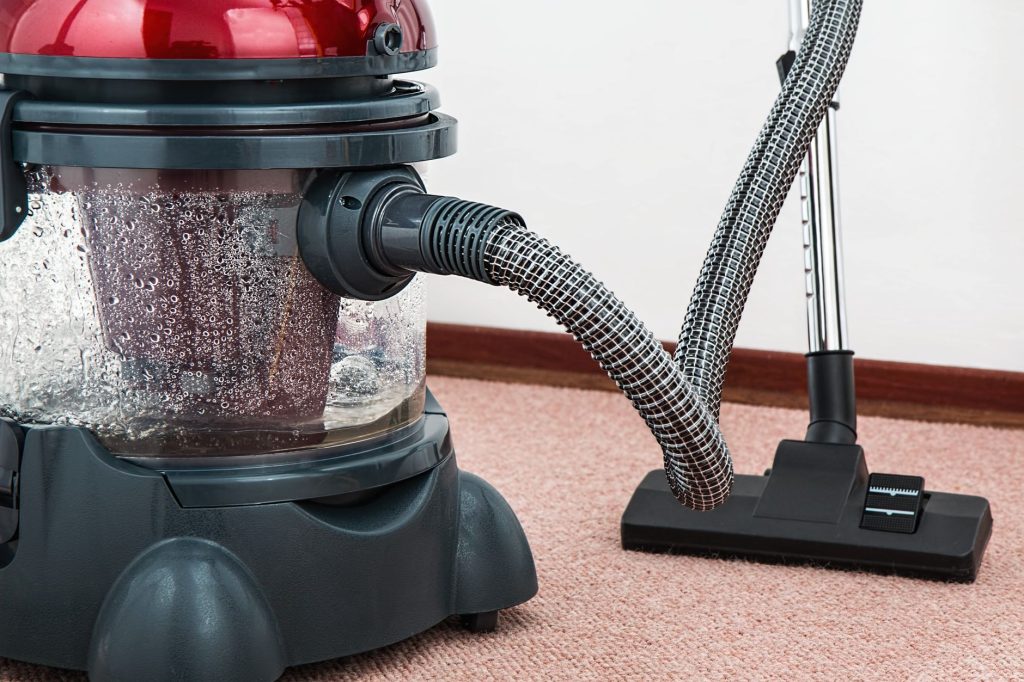
A whole-house system is a different animal. RO is slow, so it needs a large storage tank and a booster pump to supply every fixture, and it wastes far more water than a kitchen unit. That means more equipment, more space and a bigger drain connection. It also takes a professional to install.
Think about where your water goes. Showers, laundry and the toilets don’t need membrane-filtered water, and you’d be paying to treat gallons nobody drinks.
A cheaper path is a whole-house sediment or carbon filter, plus a point-of-use RO system at the kitchen sink. You protect your plumbing and appliances from the worst of the water, and you still get RO where it matters.
Whole-house RO can make sense when testing confirms severe contamination that you can’t fix another way. If you haven’t tested, don’t buy one.
Test Your Water, Then Get Local Quotes
Test your water before buying, because the results show whether you need RO at all and which system fits. Then compare written local quotes, since prices vary by region and ZIP code.
A water test answers two big questions: is your water city or well, and what’s the TDS and contaminant profile? City water often comes with a utility report you can read for free. Well water needs a lab test. Either way, you avoid paying for a whole-house system when a $400 under-sink unit would do.
For a baseline, use Homewyse or Angi. Homewyse adjusts its estimates by ZIP code, project size and options. This Old House and similar cost guides give ranges too. None of these replaces a written quote, since local delivery, setup and mobilization costs are what separate an estimate from a final bill.
Get two or three itemized written quotes. Ask each installer about:
- Warranty coverage on parts and labor
- Whether permits are needed and who pulls them
- Which parts are included, such as the drain saddle and faucet
- Whether the price covers haul-away of an old unit
If you’re buying a unit yourself, retailers like Home Depot stock under-sink kits you can compare in person, which helps you judge what an installer’s markup is worth.
Bottom Line: What You’ll Actually Pay
Plan on an under-sink system unless testing says otherwise. Whole-house RO is a specialized upgrade that starts around $2,000.
Here’s what I’d do: test your water, buy a certified under-sink unit with standard-size filters, and install it yourself if the cabinet and drain are easy to reach. Hire a plumber if you need stone drilling or a fridge line. Budget for filters and the membrane, not just the sticker price, and keep whole-house RO for confirmed, serious contamination only.
Check current options, prices and reviews for under-sink reverse osmosis systems side by side before deciding what fits your home best.
As an Amazon Associate, Clean Water In Homes may earn from qualifying purchases.
Frequently Asked Questions
Does installing an RO system affect my home warranty or insurance?
Usually not, but read your home warranty terms to be sure. Professional installation can protect the manufacturer’s warranty, and a leak from a DIY install may not be covered.
Will an RO system lower my water pressure?
Not at your main taps. The dedicated RO faucet delivers water slowly by design, and it doesn’t change the flow at your regular faucets.
Do I need a separate faucet for an under-sink RO system?
Most kits include a small dedicated faucet that mounts on the sink or countertop. If you don’t have a spare hole, you’ll need to drill one, which is where stone countertops get tricky.
Can I take an under-sink RO system with me when I move?
Usually, yes. Shut off the water, disconnect the tubing, cap the lines and remove the drain saddle. Patch or plug the drilled faucet hole if the next owner or your landlord expects it back the way it was.