
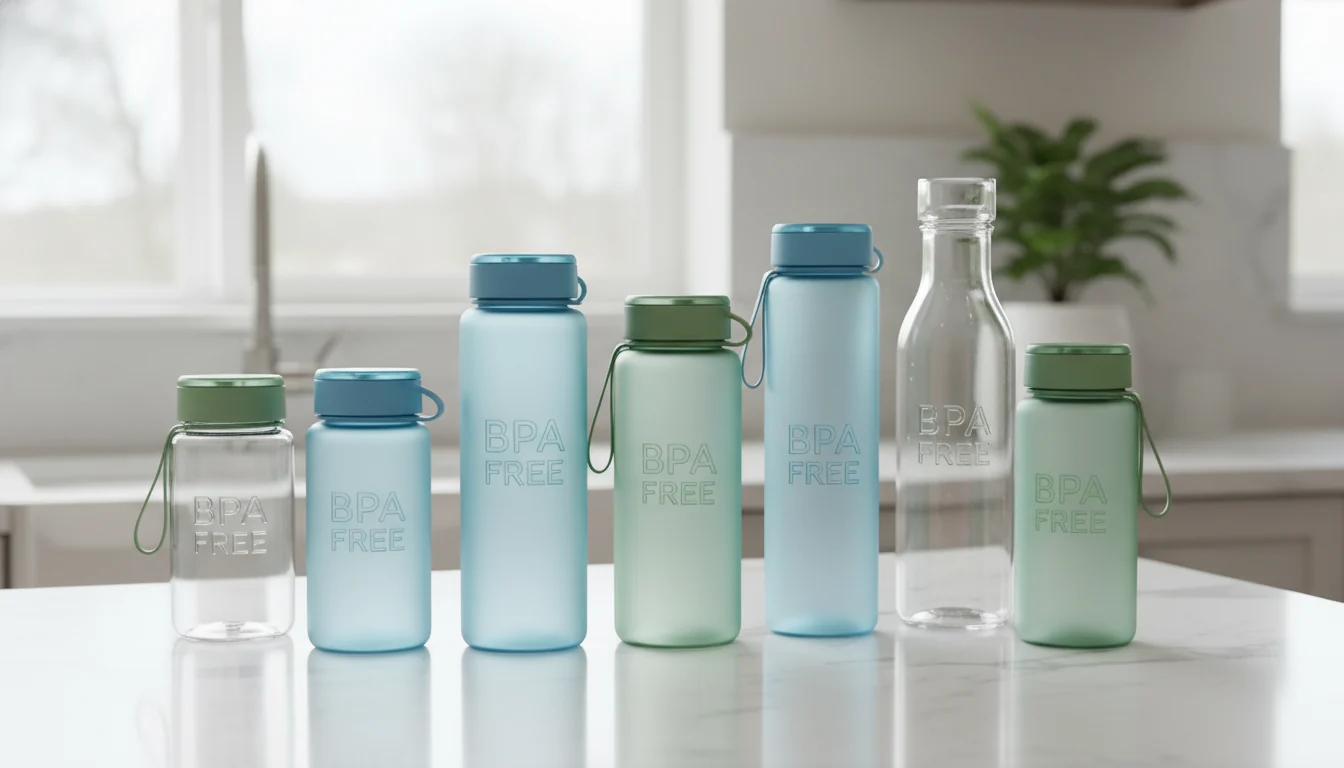
A BPA free label can feel reassuring, but it is not a magic shield. It tells you one specific thing: the product is made without bisphenol A, a chemical once common in certain hard plastics and epoxy linings. That is useful information, but it does not automatically mean every BPA free plastic bottle is equally durable, heat-safe, odor-resistant, or well made.
I use BPA free as a starting point, not the finish line. If you want a plastic bottle for school, workouts, travel, or daily hydration, the material, cleaning instructions, temperature limits, and condition of the bottle all matter.
Key takeaways
- BPA free means the bottle is made without BPA; it does not mean chemical-free.
- Tritan, polypropylene, and other plastics can be good bottle materials when used as directed.
- Heat, scratches, age, and harsh cleaning can shorten the useful life of plastic bottles.
- If plastic smell, cloudiness, cracking, or sticky texture appears, I would replace the bottle.
What is BPA?
BPA stands for bisphenol A. It has been used in some polycarbonate plastics and epoxy resins. Over time, consumer concern led many bottle makers to move away from BPA, especially for reusable drinkware.
The important thing is that BPA free does not tell you what was used instead. Many reputable bottle makers use materials designed for food contact, but as a buyer, I still want clear material information and care instructions.
What BPA free does and does not mean
It does mean BPA was not intentionally used
A BPA free bottle should not be made with BPA-containing plastic. That is the basic promise.
It does not mean the bottle can handle anything
A BPA free bottle can still warp in heat, absorb odors, scratch, stain, or have lid parts that trap grime. Some are dishwasher safe; others are top-rack only; some should be hand washed.
It does not mean it is the best material for every person
Plastic is lightweight and affordable, which is why I like it for kids, sports, and backpacks. But if taste neutrality is your priority, glass or stainless steel may be better.
Common BPA free bottle materials
Tritan-style copolyester
Many clear reusable plastic bottles are made from BPA free copolyester. These bottles are often shatter-resistant, lightweight, and clear like glass. They can be a good everyday option when you follow the temperature and dishwasher guidance.
Polypropylene
Polypropylene is often used for lids, straws, and some squeeze bottles. It is usually lightweight and tough, though it may not look as glass-clear as copolyester.
Silicone parts
Many bottles use silicone gaskets, bite valves, sleeves, or straws. Silicone can be very useful, but it can hold odors if not cleaned and dried well.
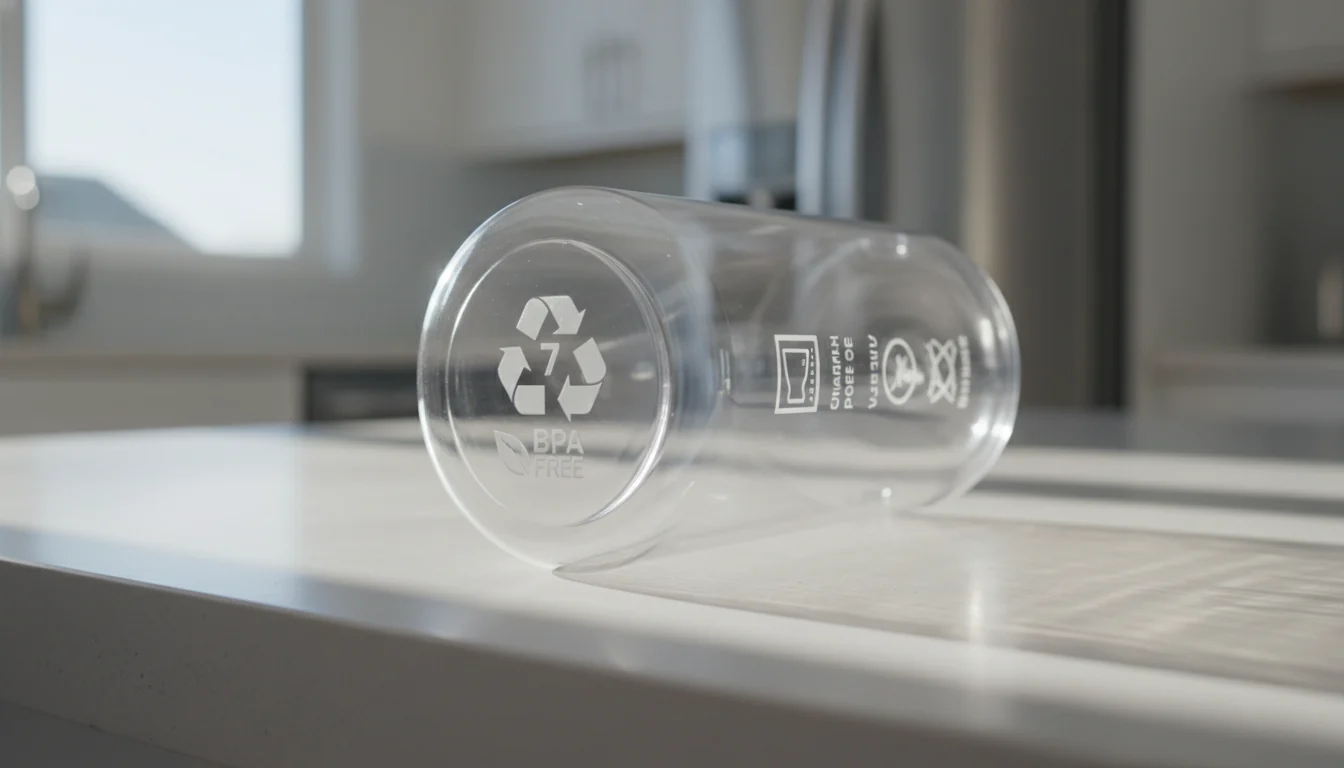
How to use plastic bottles more wisely
Avoid high heat unless approved
I do not leave plastic bottles in a hot car or pour boiling water into them unless the manufacturer clearly says that is safe. Heat can affect shape, taste, and longevity.
Replace damaged bottles
Deep scratches, cracks, cloudiness, and rough interiors make bottles harder to clean. If a bottle looks worn out or starts to smell no matter how you clean it, replace it.
Clean lids carefully
The bottle body gets attention, but lids are where buildup often hides. Remove straws, valves, and gaskets when the design allows it. Wash with warm soapy water and let every part dry fully before reassembling.
Use the right bottle for the drink
Plain water is easiest on any bottle. Smoothies, electrolyte mixes, juice, and flavored drinks need prompt washing. If a bottle is used for anything sugary, I clean it the same day.
BPA free vs stainless steel vs glass
Plastic wins for weight, price, and drop resistance. Stainless steel wins for durability and insulation. Glass wins for taste and visibility.
I would choose BPA free plastic for kids, gyms, travel days, and situations where breakage or weight matters. I would choose stainless steel for hot weather and rough handling. I would choose glass for a desk, nightstand, or home routine where clean taste matters most.
What to look for when buying
A good BPA free bottle should have:
- Clear material and care information
- A lid that comes apart for cleaning
- A comfortable drinking spout or mouth opening
- Replacement lids, straws, or gaskets if possible
- A size that fits your bag and cup holder
- Dishwasher guidance that matches how you actually clean
I also like bottles from brands that publish practical care instructions instead of relying only on a big BPA free badge.
FAQ
Are BPA free plastic bottles safe?
They can be a reasonable choice when made for food contact and used as directed. I still avoid heat abuse, replace damaged bottles, and clean lids thoroughly.
Is BPA free the same as non-toxic?
Not exactly. BPA free only addresses BPA. It does not describe every material, colorant, gasket, or manufacturing detail.
Can BPA free bottles go in the dishwasher?
Only if the manufacturer says so. Some are dishwasher safe, some are top-rack only, and some should be hand washed.
When should I throw away a plastic water bottle?
I replace plastic bottles when they crack, smell persistent, become sticky, show deep scratches, or no longer seal properly.
My bottom line
BPA free plastic bottles can be useful, especially when you need something light, affordable, and hard to break. Just do not let the label do all the thinking. Choose a well-designed bottle, follow the care instructions, avoid unnecessary heat, and replace it when it starts showing wear.