
Quick takeaways
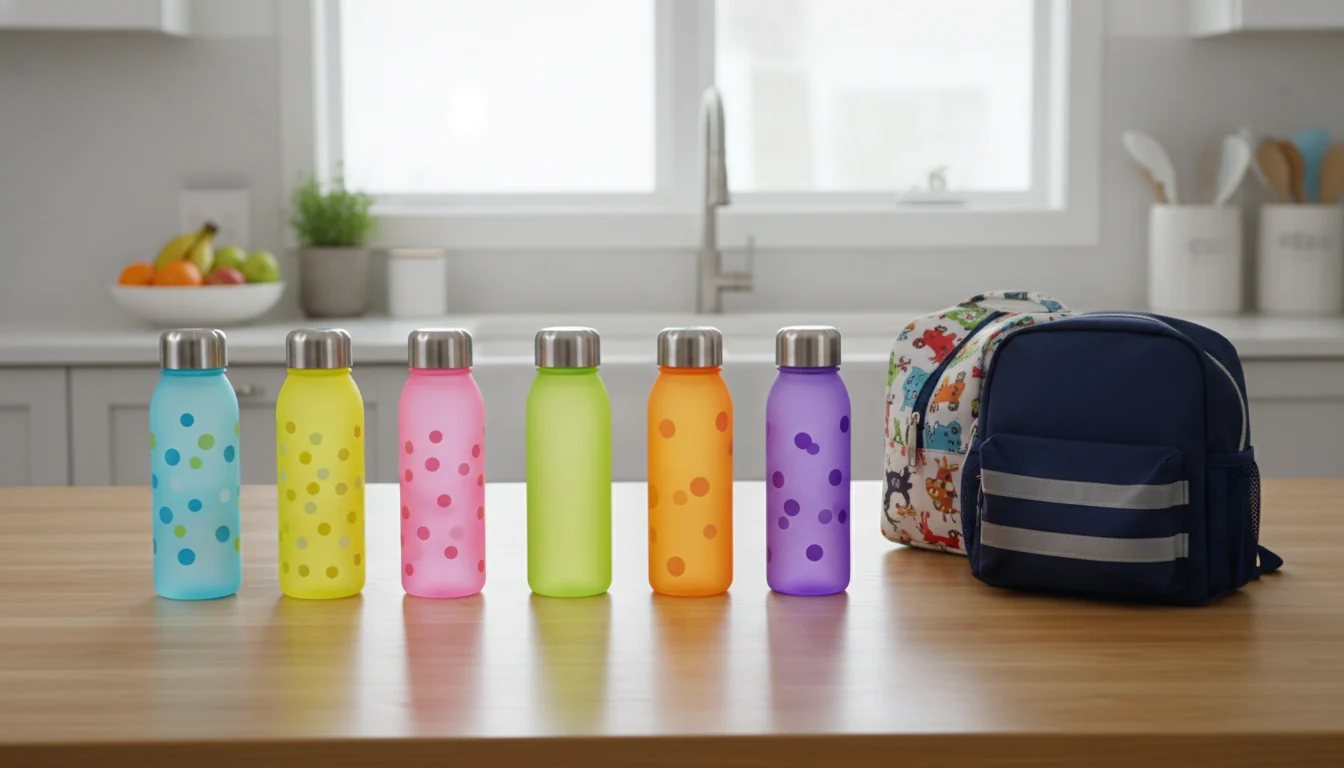
- The best school water bottle is leakproof, easy to open, easy to clean, and sized for your child’s backpack or desk.
- Stainless steel is durable and good for temperature control, while lightweight plastic can be easier for younger kids.
- Avoid complicated lids if you do not want hidden gunk and daily cleaning battles.
- A name label is not optional in my house; school bottles disappear fast.
A kid’s school water bottle has a harder job than an adult bottle. It gets dropped, left sideways in a backpack, opened with sticky hands, and forgotten in a classroom bin. So when I look for the best water bottles for kids at school, I care less about trendy colors and more about whether the bottle survives normal kid life.
I want a bottle that does not leak into homework, does not require a parent to clean seven tiny parts every night, and does not frustrate a child during a short lunch period. That sounds simple, but the details matter.
Best bottle types for school
Stainless steel insulated bottles
Insulated stainless steel bottles are my top choice for many school-age kids. They keep water cool, handle drops well, and do not hold flavors as much as some plastics. The downside is weight. A large insulated bottle can feel heavy when a backpack is already packed.
For younger kids, I like smaller sizes with a protected straw or flip lid. For older kids, a chug cap may be easier to clean and faster to drink from.
Lightweight plastic bottles
Plastic bottles can be practical for preschool and early elementary ages because they are lighter. If you choose plastic, look for BPA-free materials from a reputable brand, but remember that BPA-free does not mean indestructible or automatically perfect. Replace bottles that are cracked, cloudy, deeply scratched, or smelly.
Straw bottles
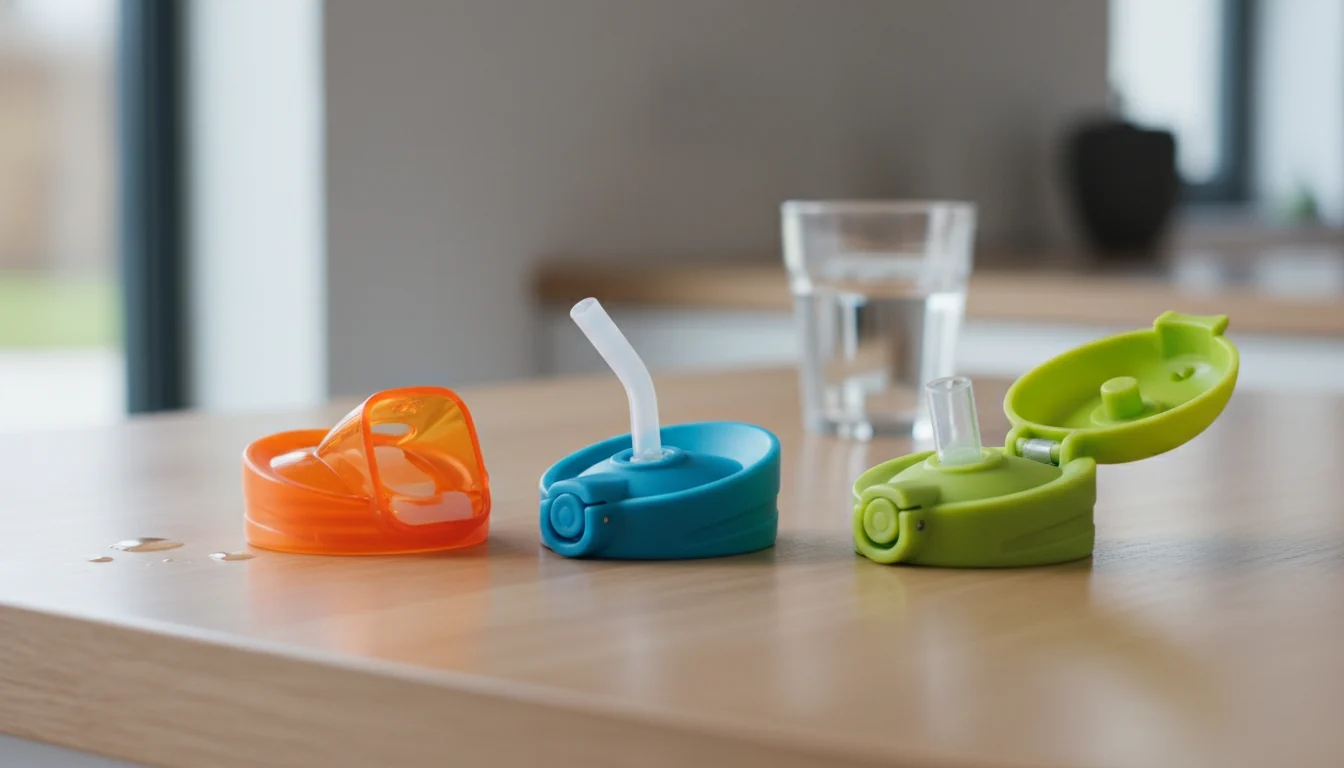
Straw bottles are convenient because kids can sip quickly. They are also the style most likely to hide residue in the straw, bite valve, or hinge. If you choose a straw bottle, make sure replacement straws are available and the straw can be removed for cleaning.
Chug-lid bottles
Chug lids are simpler. They are better for older kids who will not spill water down their shirt every time they drink. Fewer small parts usually means easier cleaning and less chance of moldy surprises.
What size is best?
For younger kids, a bottle around 12 to 16 ounces is often easier to carry. For older kids, 18 to 24 ounces may make sense if they have long school days, sports, or limited refill access. Bigger is not always better. If the bottle is too heavy or does not fit the backpack pocket, it may stay home.
Measure the backpack side pocket before buying. Some wide insulated bottles look great online and then refuse to fit anywhere useful.
Leakproof matters most
A school bottle should be leakproof when closed and tossed sideways. I look for lids with a clear lock or firm snap. Soft silicone spouts should close fully. If a bottle leaks during your home sink test, do not trust it with library books.
My simple test: fill it, close it, turn it upside down, shake gently over the sink, then lay it on a towel for ten minutes. Better to find out at home than after a backpack disaster.
Cleaning and hygiene
The easiest bottle to clean is the bottle that actually gets cleaned. Wide-mouth bottles are easier to scrub and dry. Dishwasher-safe parts are helpful, but check the instructions because some insulated bottles are hand-wash only.
I like having a small straw brush if the bottle uses a straw. Let parts dry fully before reassembling. A closed damp bottle is exactly the kind of place odors develop.
Materials to consider
Stainless steel is durable and does not need a liner for water. Glass is usually not ideal for school because it can break, even with a silicone sleeve. Plastic is lightweight but should be replaced when worn. Silicone is common in lids and straws; inspect it for tears and trapped residue.
For kids, I prioritize durability, cleanability, and a lid they can operate independently. The safest bottle is not very useful if the child cannot open it without help.
School rules and practical details
Some classrooms allow only water, not juice or flavored drinks. Some teachers prefer bottles that do not spill when knocked off a desk. Sports programs may have their own size or labeling expectations. If your child is young, practice opening and closing the bottle at home before the first day.
Put the child’s name on the bottle in a way that survives washing. A waterproof label or paint marker can save money and drama.
My buying checklist
- Fits the backpack side pocket.
- Does not leak when closed.
- Child can open it without help.
- Mouth is wide enough to clean.
- Replacement lids or straws are available.
- Not too heavy when full.
- Clearly labeled with the child’s name.
FAQ
Are stainless steel bottles best for kids?
They are often the most durable option and good for keeping water cool, but they can be heavy. For very young kids, lightweight plastic may be easier.
Are straw lids sanitary?
They can be fine if cleaned thoroughly and dried well. The problem is neglect, not the straw itself. Use a straw brush and inspect bite valves.
What size bottle should a child take to school?
Choose the largest size your child can comfortably carry and finish using. For many kids, that is somewhere between 12 and 24 ounces.
Should school bottles go in the dishwasher?
Only if the manufacturer says the bottle and lid are dishwasher-safe. Even then, small lid parts may need hand cleaning.
My bottom line
The best water bottles for kids at school are not always the fanciest ones. I would rather have a sturdy, leakproof, easy-clean bottle that fits the backpack than a complicated bottle nobody wants to wash. Pick the lid your child can use, label it clearly, and make cleaning part of the school-night routine.