
Quick answer
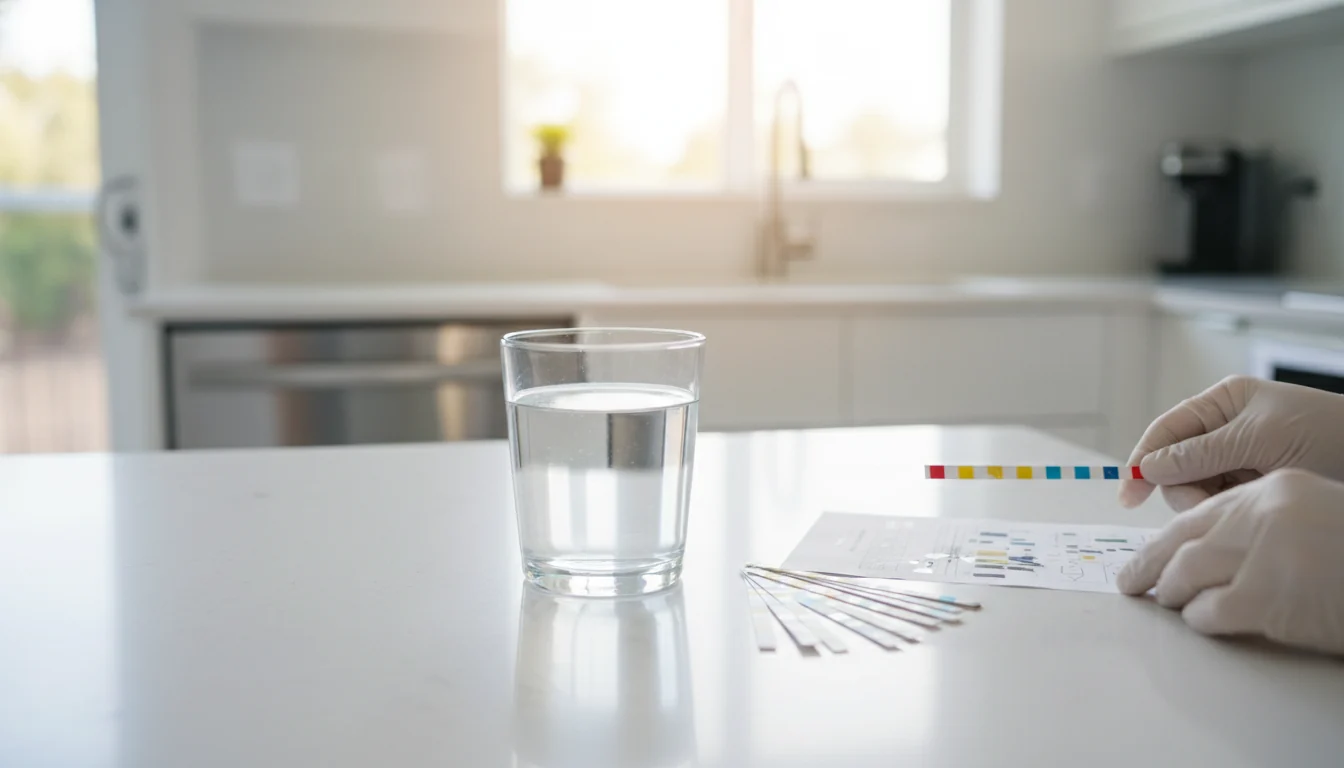
Home water test strips can be useful for quick screening, but they are not as accurate or complete as certified laboratory testing. They work best for rough checks like hardness, chlorine, pH, and sometimes iron or nitrate. They are weaker when you need precise numbers, legal-quality results, or answers about serious health-related contaminants.
I use test strips as a clue, not a verdict. They can tell me whether a problem is worth looking into, but I would not make major treatment decisions from a cheap strip alone.
How water test strips work
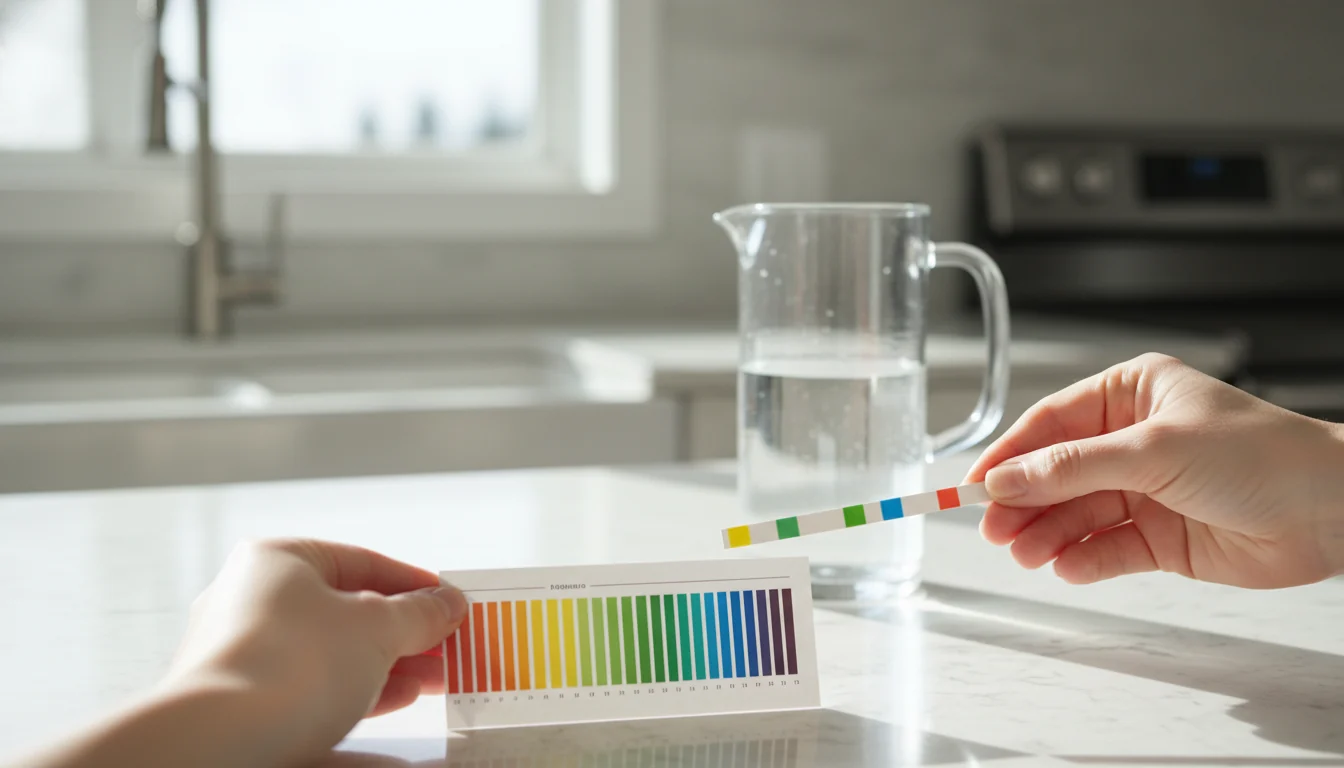
Most strips have small reagent pads that change color after contact with water. You dip the strip, wait a specific amount of time, and compare the colors to a chart. The process sounds simple, but small mistakes can change the result.
Timing matters. Lighting matters. Wet fingers matter. Expired strips matter. Reading the pad too early or too late can make a result look higher or lower than it is.
What strips are good for
Hardness
Hardness strips are often helpful for seeing whether your water is soft, moderately hard, or very hard. That can guide decisions about scale, dish spots, and softener conversations.
Chlorine
Chlorine strips can show whether disinfectant is present in treated water or whether a carbon filter is reducing chlorine taste. They are useful for basic troubleshooting.
pH
pH strips can give a rough sense of whether water is acidic, neutral, or alkaline. If corrosive water is a concern, a lab test is better.
Nitrate screening
Some strips screen for nitrate, which matters especially for private wells. Because nitrate can be a health concern, confirm suspicious or important results with a certified lab.
Where strips fall short
Test strips are limited by broad color ranges, subjective color matching, storage conditions, and interference from other substances. Many strips also test only a short list of parameters. A strip cannot prove your water is safe from everything.
Some contaminants have no taste, smell, or obvious strip result. Lead, bacteria, arsenic, PFAS, and many volatile chemicals require specific testing methods. If you need to know, use the right test.
Lab testing versus strips
A certified lab uses controlled methods, calibrated equipment, and reporting standards. It can provide more precise measurements and detect contaminants that strips cannot. Labs cost more and take longer, but they are the right choice when the result affects health decisions, treatment design, real estate transactions, or well safety.
For private wells, I consider lab testing part of responsible ownership. Test strips can help between lab tests, but they do not replace them.
How to use strips more accurately
Read the instructions before opening the bottle. Check the expiration date. Use a clean sample cup. Dip for the exact time stated. Shake off excess water only as directed. Read each pad at the correct time. Compare colors in good natural or white light. Close the bottle quickly to protect unused strips from moisture.
If a result surprises you, repeat the test. If the second result is still concerning, confirm with a lab.
When I would skip strips and go straight to a lab
Use a lab if you have a private well and have not tested recently, if there is a baby or pregnant person relying on the water, if you suspect lead, bacteria, arsenic, nitrate, pesticides, fuel, or industrial contamination, if water changed suddenly, or if you are choosing an expensive treatment system.
A lab report can prevent buying the wrong filter.
Can strips help choose a filter?
They can help identify broad issues like hardness or chlorine, but they should not be the only basis for a filter purchase when safety is involved. If a strip suggests high iron, nitrate, or unusual pH, confirm and then choose treatment based on the confirmed result.
For taste complaints on city water, strips can be a low-cost starting point. For serious concerns, use lab data.
FAQ
Are home water test strips accurate enough?
They can be accurate enough for rough screening, but not for every contaminant or precise decisions. Accuracy depends on the strip, storage, and how carefully you use it.
Can strips test for bacteria?
Some home kits include bacteria tests, but they require careful handling and are not the same as certified lab testing. For wells, use a lab for bacteria testing.
Why did two strips give different results?
Timing, lighting, water mixing, expired strips, or user error can cause differences. Repeat carefully and confirm important results.
Do I need a lab test before buying a filter?
For taste improvements, maybe not. For health-related concerns or costly systems, yes, lab testing is the smarter route.
My bottom line
So, are home water test strips accurate? They are useful when treated as screening tools. They are not a full water safety report. Use them to learn, troubleshoot, and decide whether deeper testing is needed. When the stakes are high, let a certified lab answer the question.