
Quick answer
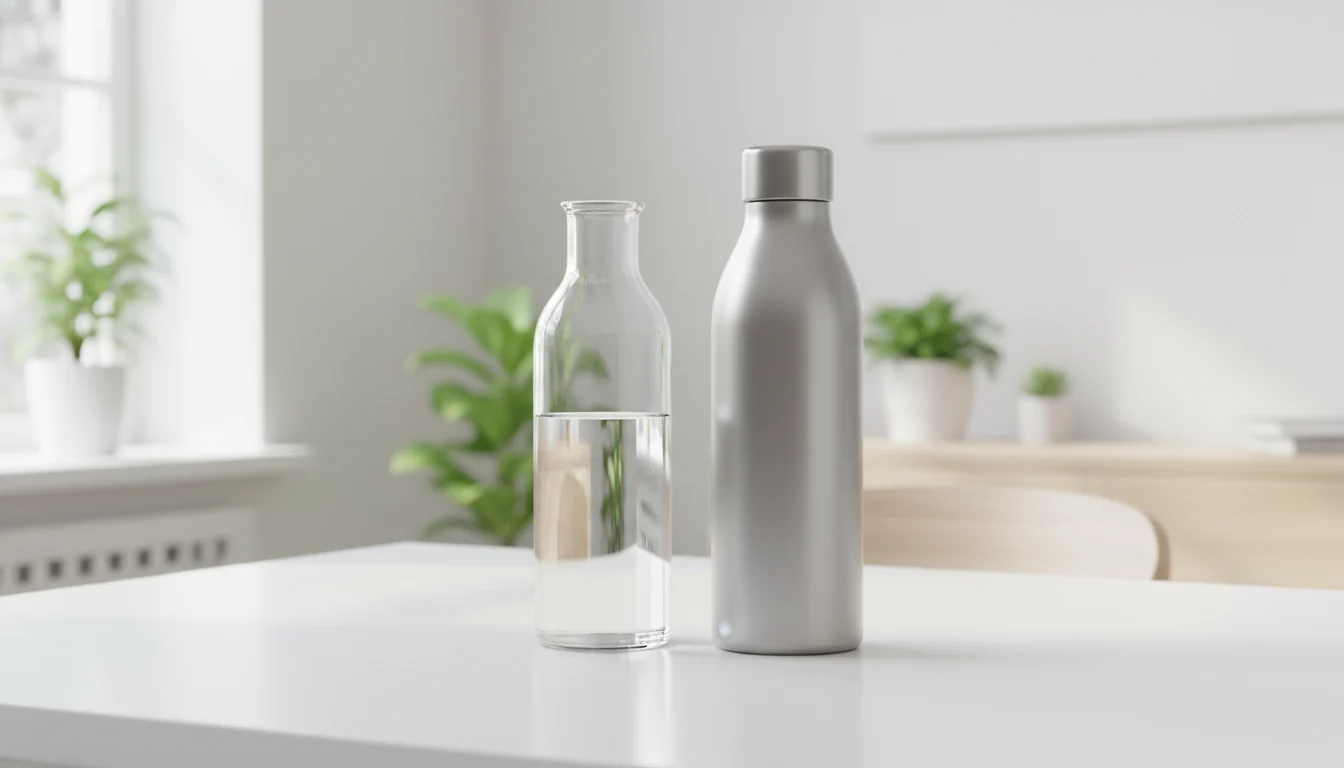
Choose glass if you care most about clean taste, visibility, and using the bottle mainly at home or at a desk. Choose stainless steel if you need durability, insulation, and a bottle that can handle commuting, school bags, workouts, or travel. Both can be good choices; the better bottle is the one that fits where you actually drink water.
I like glass bottles for calm places and stainless bottles for real life outside the house. That is not a scientific rule. It is just what happens after you drop a glass bottle once in a parking lot.
Taste and odor
Glass is hard to beat for neutral taste. It does not usually hold onto flavors, and you can see whether the bottle is clean. If you drink plain water and dislike any lingering taste from yesterday’s lemon water, glass is appealing.
Stainless steel is also a good material for water, especially high-quality food-grade stainless. It can sometimes hold odors in the lid, gasket, or straw rather than the metal body. If your stainless bottle smells off, clean the cap parts carefully before blaming the bottle itself.
Durability
Stainless steel wins easily. It can dent, scratch, and lose paint, but it usually keeps working. Glass can break, even with a silicone sleeve. For kids, hiking, gym bags, and travel, stainless steel is the safer practical choice.
If you choose glass, I strongly prefer a protective sleeve and a bottle shape that is easy to grip. Smooth glass with wet hands is asking for trouble.
Weight
Glass is often heavier than it looks. Stainless steel can also be heavy, especially insulated models, but it is usually more forgiving for carrying. If you commute with a laptop, lunch, and gym shoes, every ounce matters.
For a bedside table or office desk, weight is less important. For a backpack, it matters a lot.
Insulation
Most stainless steel bottles are available in insulated versions that keep water cold for hours. Glass bottles usually are not insulated in the same way. If you want ice water on a hot day, stainless steel is the clear winner.
If you mostly drink room-temperature water, glass still makes sense.
Cleaning
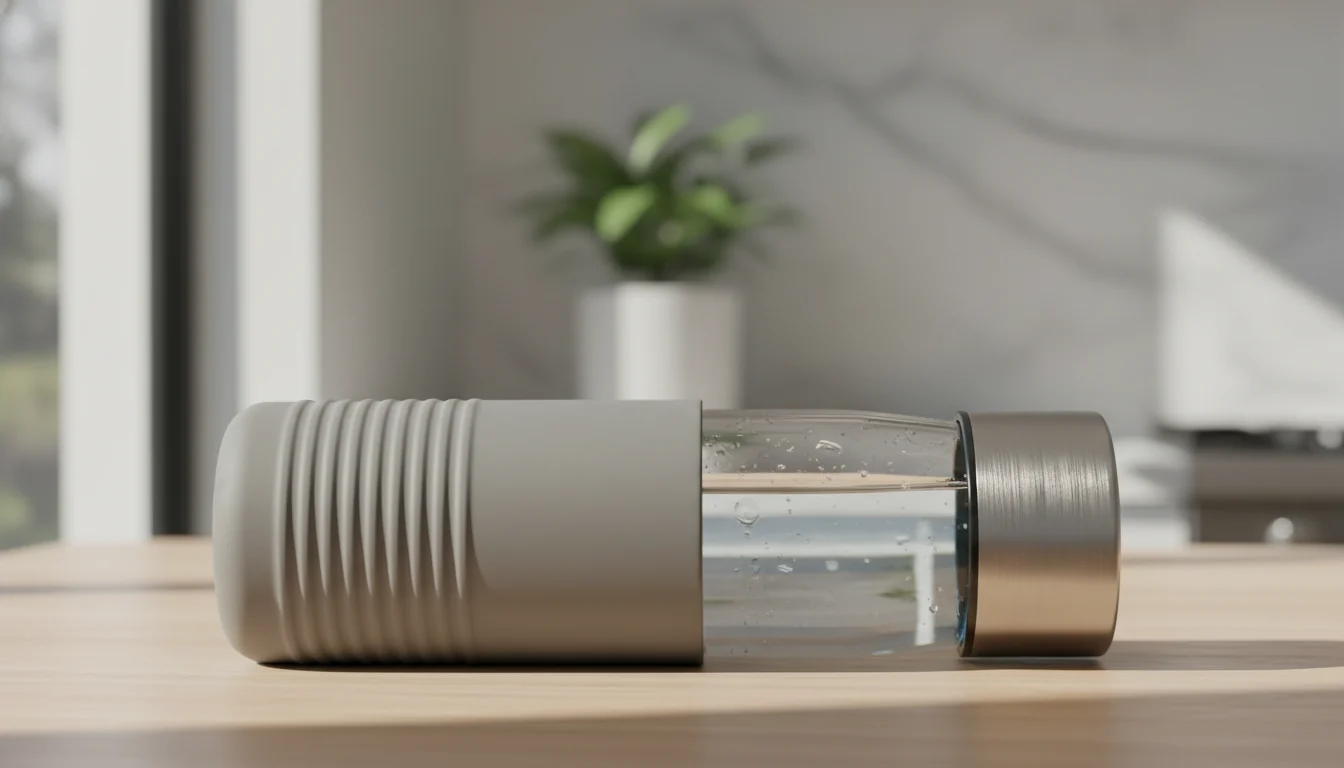
Glass has a cleaning advantage because you can see residue. Many glass bottles are dishwasher-safe, though lids and sleeves may have different instructions. Wide-mouth glass bottles are especially easy to inspect.
Stainless bottles can be easy to clean too, but narrow mouths, straws, and complicated lids change the equation. The material is not the problem; hidden lid parts are.
Safety and breakage
A glass bottle can create sharp broken pieces. That is the main reason I do not love glass for young kids or active settings. Stainless steel avoids breakage, but cheap bottles can have poor lids, coatings, or rust-prone parts. Buy from reputable brands and inspect the interior if the bottle is damaged.
Neither material makes a dirty bottle safe. Regular cleaning matters more than the debate itself.
Best uses for glass bottles
Glass is great for home offices, bedside tables, fridge storage, yoga studios where glass is allowed, and people who want the cleanest flavor. It is also nice for infused water because it does not hold flavor as much.
I would not choose glass for a child running to the bus, a construction site, a bike cage, or a hiking pack.
Best uses for stainless steel bottles
Stainless steel is best for school, travel, sports, errands, hot weather, and anyone who wants cold water for a long time. It is also better if the bottle will be knocked around.
For daily hydration away from home, stainless steel is the bottle I would trust first.
Lid choice matters too
The body material gets the attention, but the lid often decides whether you love the bottle. Straw lids are convenient but need more cleaning. Chug lids are simpler. Screw caps are leak-resistant but slower. For commuting, I want a lid that locks. For desk use, I want a lid I can clean quickly.
FAQ
Is glass healthier than stainless steel?
Glass is very inert and taste-neutral, but quality stainless steel is also a common safe choice for water bottles. The best choice depends on use, cleaning, and durability needs.
Do stainless steel bottles make water taste metallic?
Good stainless bottles should not strongly flavor plain water. If you notice taste, clean the lid and gasket well and inspect the bottle for damage.
Are glass bottles dishwasher-safe?
Many are, but check the manufacturer’s instructions. Lids and silicone sleeves may need separate care.
Which bottle lasts longer?
Stainless steel usually lasts longer because it resists breakage. Glass can last a long time if handled gently.
My bottom line
In the glass vs stainless steel water bottles choice, I use glass for taste and calm indoor routines, and stainless steel for durability and cold water on the move. If you only want one bottle for everything, stainless steel is usually the more practical pick. If you already have a travel bottle, a glass bottle can be a lovely home or desk upgrade.