
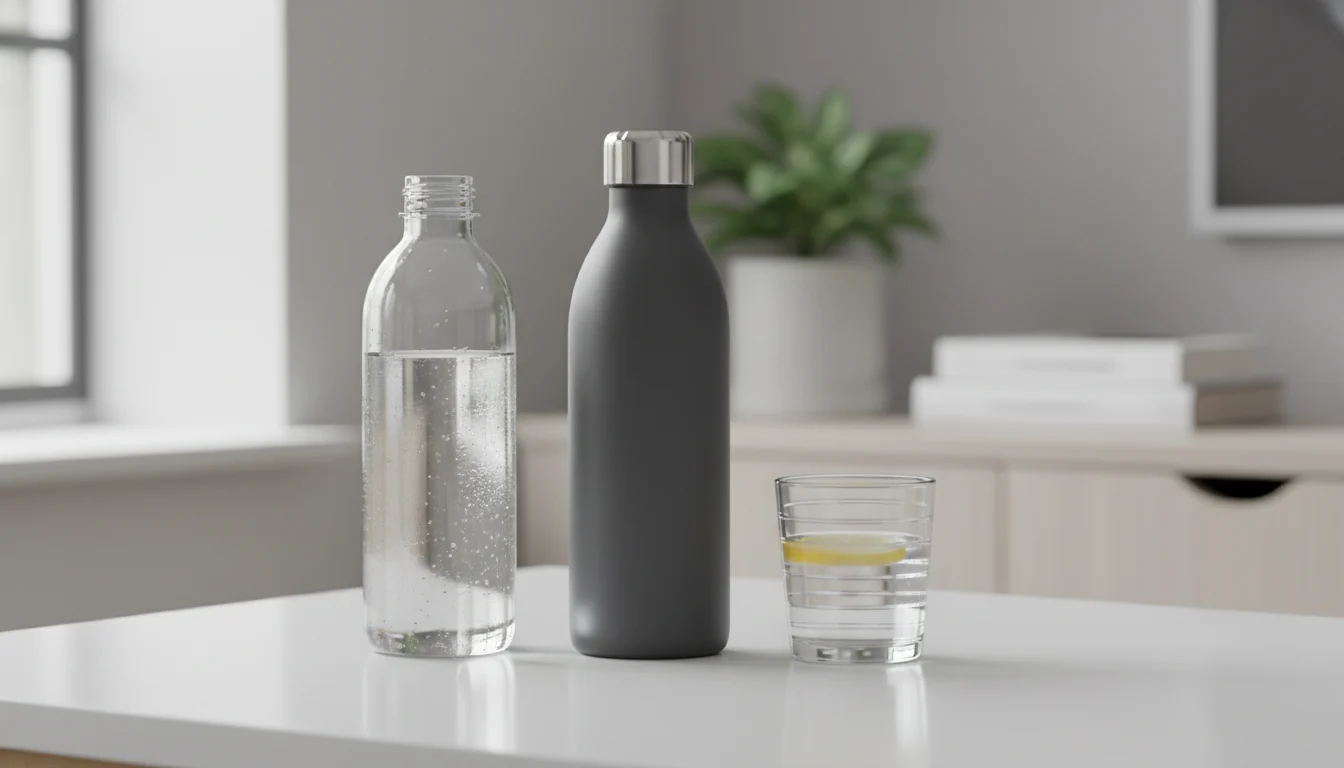
Plastic vs stainless steel water bottles is one of those choices that looks simple until you start using the bottle every day. Plastic is light, affordable, and easy to toss into a bag. Stainless steel is tougher, often insulated, and tends to feel more permanent. Neither material is perfect for every person.
I use both in different situations, but if I had to pick one everyday bottle for most adults, I would usually lean stainless steel. It handles daily abuse better and keeps water cooler. Still, a good BPA-free plastic bottle can be the smarter choice for kids, travel weight limits, or places where you do not want to carry a heavy bottle.
Quick comparison
- Choose plastic if you want the lightest bottle, lower cost, or a clear body so you can see the water level.
- Choose stainless steel if you want durability, insulation, and a bottle that can last for years with good care.
- Choose either one with a lid you can fully clean. The lid often matters as much as the bottle body.
Taste and odor
Stainless steel usually wins on taste for me, especially when the bottle is cleaned regularly. Good stainless steel does not add much flavor to plain water. If coffee, sports drinks, or flavored water sit inside too long, odors can still linger in the lid or gasket, but the metal body is generally forgiving.
Plastic can be more prone to holding smells, especially after flavored drinks. Some plastic bottles also develop a stale taste if they are old, scratched, or left in heat. That does not mean all plastic bottles taste bad. It means plastic needs a little more attention and should be replaced when it looks worn.
Durability
Stainless steel is hard to beat for daily bumps. It can dent, scratch, and lose paint, but it usually keeps working. An insulated stainless bottle may last a long time if the vacuum seal remains intact.
Plastic is less dent-prone because it flexes, but it can crack, warp, scratch, or become cloudy. Scratches are not just cosmetic; they can make cleaning harder. If a plastic bottle has deep scratches or a damaged lid, I replace it.
Weight and portability
Plastic wins for weight. If you hike, commute with a packed bag, or buy bottles for children, that matters. A large insulated stainless bottle full of water can feel like carrying a small dumbbell.
Stainless steel is still portable, but I pay closer attention to size. A 20 or 24 ounce stainless bottle is often more realistic than a huge 40 ounce bottle if you are walking around all day.
Temperature control
If you like cold water, stainless steel is the clear winner when it is vacuum insulated. It can keep water cool far longer than a single-wall plastic bottle. That is useful in hot weather, in the car, at sports practice, or at a desk where you sip slowly.
Plastic bottles do not insulate much. They are fine for room-temperature water or short outings, but ice melts quickly. Also, I avoid leaving plastic bottles in hot cars because heat can affect taste and is not ideal for bottle care.
Safety considerations
For plastic, choose bottles from reputable brands that are labeled BPA-free and intended for repeated food or beverage use. Avoid using damaged, cracked, or heavily scratched bottles. Follow the temperature guidance from the manufacturer.
For stainless steel, look for food-grade stainless steel and a safe interior finish. Most quality stainless bottles are straightforward, but very cheap bottles with unknown materials are not where I would cut corners.
No reusable bottle makes unsafe water safe unless it has a filter designed for the specific issue. A bottle is primarily a container. Start with water you trust.
Cleaning
Plastic is often dishwasher-safe, but not always. Heat can warp some bottles or lids. Stainless steel bodies are sometimes hand-wash only, especially insulated models with exterior coatings.
The lid is the trouble spot for both materials. Straw valves, silicone gaskets, and flip caps can trap residue. I prefer bottles with removable seals and simple parts. A bottle that looks rugged but has a lid you cannot clean well is not a great daily choice.
Cost and long-term value
Plastic bottles usually cost less upfront. That is helpful when buying several bottles or replacing kids’ bottles. Stainless steel costs more, especially insulated versions, but it may last longer.
The best value depends on whether you keep it. A stainless bottle lost after two weeks is not a bargain. A plastic bottle used daily for a year may be excellent value.
Environmental angle
Both reusable options can reduce reliance on single-use bottles if you actually reuse them. Stainless steel takes more material and energy to produce, but it can last a long time. Plastic uses less material per bottle but may need replacement sooner.
I do not buy a bottle for environmental reasons unless I expect to use it regularly. The most sustainable bottle is usually the one already in your cabinet, cleaned and put back into service.
Which should you choose?
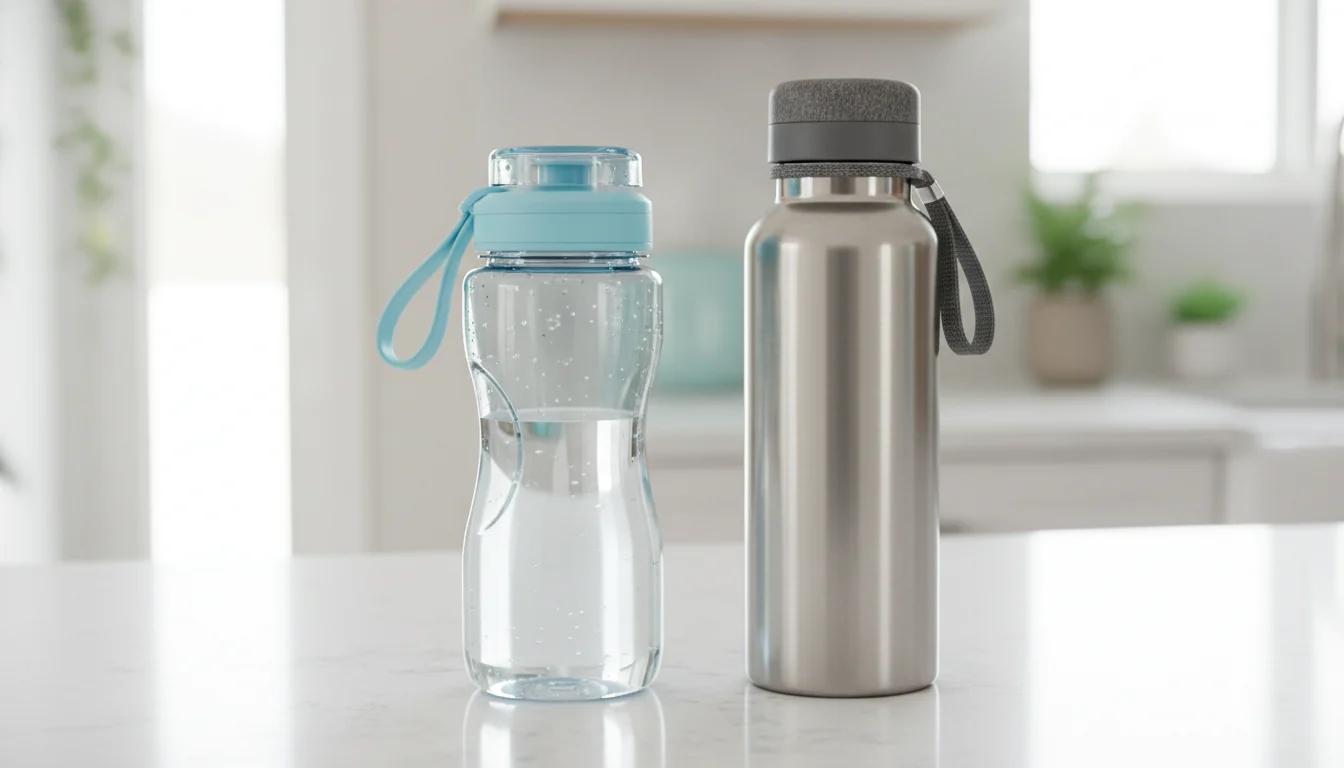
For adults wanting one dependable daily bottle, I like insulated stainless steel with a simple lid. For children, lightweight travel, budget buys, or situations where bottles get lost, plastic can make sense. For sports, a plastic squeeze bottle may be more convenient. For hot weather or desk sipping, stainless steel shines.
FAQ
Are stainless steel bottles safer than plastic?
Quality stainless steel bottles are durable and do not usually hold odors as easily. Quality BPA-free plastic bottles can also be appropriate. Safety depends on materials, condition, cleaning, and proper use.
Can stainless steel water bottles rust?
Good stainless steel resists rust, but it is not impossible if damaged, exposed to harsh conditions, or cleaned improperly. Follow care instructions and avoid bleach unless the manufacturer specifically allows it.
How often should I replace a plastic water bottle?
Replace it when it is cracked, cloudy, deeply scratched, warped, smelly after washing, or when the lid no longer seals well.
Which bottle keeps water cold longer?
Vacuum-insulated stainless steel keeps water cold much longer than typical plastic.
Final thoughts
Plastic vs stainless steel water bottles is not about one material being perfect. It is about fit. Stainless steel is my default for durability and cold water. Plastic is useful when low weight, low cost, or flexibility matters most. Choose the bottle you will carry, clean, and refill. That is the one that earns its spot.