
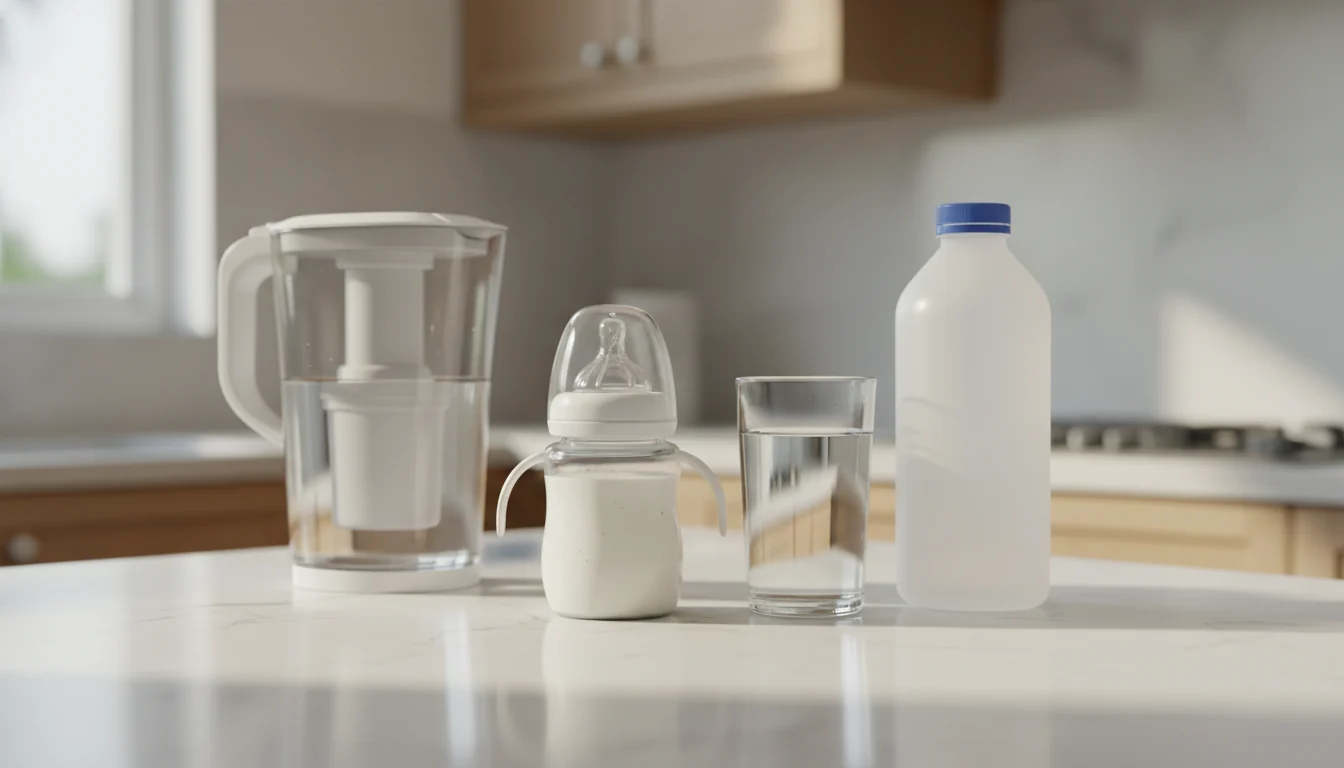
If you are a parent searching for microplastics in baby formula, I want to start by saying this clearly: do not panic.
It is completely understandable to worry about what goes into your baby’s bottle. Water choice matters. Bottle material matters. Heating habits matter. But the safest path is not fear, guessing, or copying random advice online. The safest path is following your pediatrician’s guidance, using formula exactly as directed, and making reasonable water choices based on your local situation.
In this article, I’ll explain how water choice can affect formula preparation, where microplastic concerns may come from, and what parents can do without turning feeding into a stressful science project.
Read more: Safest water options for baby formula
Key Takeaways
- This article is general education only, not medical advice.
- Always follow your pediatrician’s advice, formula label instructions, and local health department guidance.
- Microplastic exposure can come from multiple places, including plastic bottles, packaging, water containers, and heating practices.
- Bottled water is not automatically microplastic-free.
- Filtered tap water may help with some water quality concerns, but not every filter is designed or certified for microplastics.
- For infant formula, microbial safety is often the more urgent concern than trying to eliminate every trace particle.
- Avoid extreme DIY changes that could make formula unsafe, such as changing the powder-to-water ratio.
Important Medical Disclaimer For Parents
I am not a doctor, pediatrician, dietitian, toxicologist, or public health official. This article is not medical advice and should not replace professional guidance.
For formula preparation, follow:
- Your pediatrician’s instructions
- The formula manufacturer’s label
- Local health department guidance
- Any special instructions for premature infants, newborns, or babies with medical conditions
If your baby was born premature, is under two months old, has immune concerns, or has a medical condition, ask your pediatrician before changing water type, formula prep method, bottle material, or sterilization routine.
What Are Microplastics?
Microplastics are tiny plastic particles. They can come from the breakdown of larger plastic items or be produced during manufacturing and packaging processes.
When parents talk about microplastics and baby formula, they are usually worried about a few possible sources:
- Plastic baby bottles
- Heating water in plastic containers
- Shaking warm formula in plastic bottles
- Bottled water stored in plastic
- Plastic-lined packaging
- Household dust
- Water supply contamination
The difficult part is that microplastics are not a single simple problem with one simple fix. They vary by size, type, source, and exposure route. Research is still developing, and it is easy for online discussions to jump from “possible exposure” to “certain harm” without enough context.
My approach is cautious but calm: reduce avoidable exposure where practical, while keeping formula preparation safe and medically appropriate.
Why Water Choice Matters For Formula
Formula is mixed with water, so water quality matters. But “quality” includes more than microplastics.
Parents may need to think about:
- Bacteria and other microbes
- Lead from plumbing
- Nitrates, especially for private wells
- Arsenic in some regions
- Fluoride level, depending on pediatric guidance
- Disinfection byproducts
- Taste and odor
- Microplastics and packaging exposure
For babies, microbial safety can be especially important. That is why boiling and cooling water is sometimes recommended in formula preparation guidance, depending on the baby’s age, health, location, and formula instructions.
Do not skip medically recommended boiling just because you are trying to reduce microplastics. If you are unsure, call your pediatrician.
Tap Water For Baby Formula
Tap water may be acceptable for formula in some homes, but it depends on local water quality and your baby’s situation.
If you are on municipal water, review your local water quality report and ask your pediatrician whether your tap water is appropriate for formula. If you live in an older home, lead plumbing or lead service lines may be a concern.
If you are on a private well, do not assume the water is safe for infant formula without testing. Wells can have bacteria, nitrates, arsenic, hardness, iron, sulfur odor, or other issues depending on the area.
For private wells, parents should be especially cautious with nitrates and bacteria. A standard pitcher filter is not a substitute for proper well testing and treatment.
Read more: Private well water testing checklist for families
Bottled Water For Baby Formula
Bottled water can be useful, but it is not automatically the perfect answer.
Parents often choose bottled water because it feels controlled and convenient. In some situations, a pediatrician may recommend a specific type of bottled water. But bottled water often comes in plastic packaging, and plastic packaging can be part of the microplastic conversation.
That does not mean bottled water is bad. It means the choice should be practical and informed.
If using bottled water for formula, ask your pediatrician what type is appropriate. Some parents are told to use water labeled for infants. Others may be told to boil water first. Recommendations can vary based on the baby and local risk factors.
Also store bottled water properly:
- Keep it away from heat
- Avoid direct sunlight
- Do not leave bottles in a hot car
- Do not use damaged or leaking containers
- Follow expiration or best-by guidance when provided
Filtered Water For Baby Formula
Filtered water can be a good option in some homes, but the filter must match the problem.
A carbon pitcher may improve taste and reduce some contaminants, but it may not reduce everything parents worry about. An under-sink filter may offer more capacity. Reverse osmosis can reduce many dissolved contaminants, but it has its own maintenance needs.
If you want filtered water for baby formula, focus on these questions:
- What does my water test show?
- Is my filter certified for the contaminant I care about?
- Am I replacing cartridges on time?
- Does the filter introduce any storage or cleanliness issues?
- Does my pediatrician approve this water choice for formula prep?
Filtering water does not automatically make it sterile. If formula instructions or medical guidance say to boil water, filtering alone is not the same thing.
Read more: Best water filters for families with infants
Do Filters Remove Microplastics?
Some filters may reduce particles, including some microplastics, depending on their design and pore size. But not every filter is tested or certified for microplastic reduction.
This is where parents need to be careful with marketing. A product may say “removes impurities” without clearly explaining whether it has been tested for microplastics or what particle sizes it can reduce.
If microplastics are a major concern, look for clear performance data and third-party certification when available. Also remember that water is only one possible source. Bottle material and heating habits may matter too.
Baby Bottles, Heat, And Microplastics
Water choice is only part of the formula-prep picture.
Plastic can shed more particles under certain conditions, especially with heat and agitation. That is why many parents consider glass bottles, stainless steel options where appropriate, or cooling boiled water before adding it to a bottle.
However, do not improvise in a way that conflicts with formula safety instructions. Some powdered formulas are not sterile, and certain guidance may recommend hot water preparation to reduce microbial risk. This is exactly where pediatric advice matters.
A reasonable parent-friendly approach may include:
- Avoid microwaving formula in plastic bottles
- Avoid pouring boiling water directly into plastic unless instructions specifically require a safe method
- Let boiled water cool according to formula guidance before mixing when appropriate
- Consider glass bottles if they fit your routine and your pediatrician has no objection
- Wash and sterilize feeding equipment as recommended
Again, do not change preparation steps for a medically vulnerable baby without professional guidance.
What I Would Not Do
I would not try to make formula “safer” by changing the recipe.
Do not:
- Add extra water to dilute formula
- Use less water than directed
- Mix with homemade mineral water
- Use untreated well water without testing
- Use water from a decorative filter not designed for drinking water
- Ignore a boil-water advisory
- Skip sterilization instructions for newborns or high-risk infants
Formula ratios exist for a reason. Changing them can be dangerous.
A Practical Parent Checklist
Here is the calm checklist I would use.
Step 1: Ask Your Pediatrician
Especially for newborns, premature infants, or babies with health issues. Ask what water type and prep method they recommend.
Step 2: Know Your Water Source
Municipal water and private well water are different situations. If you are on a well, test it before using it for formula.
Step 3: Follow Formula Instructions Exactly
Use the correct water amount, powder amount, temperature guidance, and storage instructions.
Step 4: Reduce Heat And Plastic Where Practical
If it fits your doctor’s guidance and your routine, avoid unnecessary heating in plastic and consider glass bottles.
Step 5: Choose Filters Based On Evidence
If using a filter, choose one certified for the contaminants you actually need reduced. Replace it on schedule.
Step 6: Store Water Properly
Keep bottled water away from heat and sunlight. Keep filtered water containers clean. Do not let water sit around in questionable containers.
The Money Angle: What Is Worth Buying?
Parents can spend a lot of money chasing perfect water. I would rather see families spend money where it actually helps.
Potentially worthwhile purchases include:
- A certified water filter matched to your tap water concerns
- Proper well testing if you use private well water
- Glass baby bottles if you want to reduce plastic contact and they work for your baby
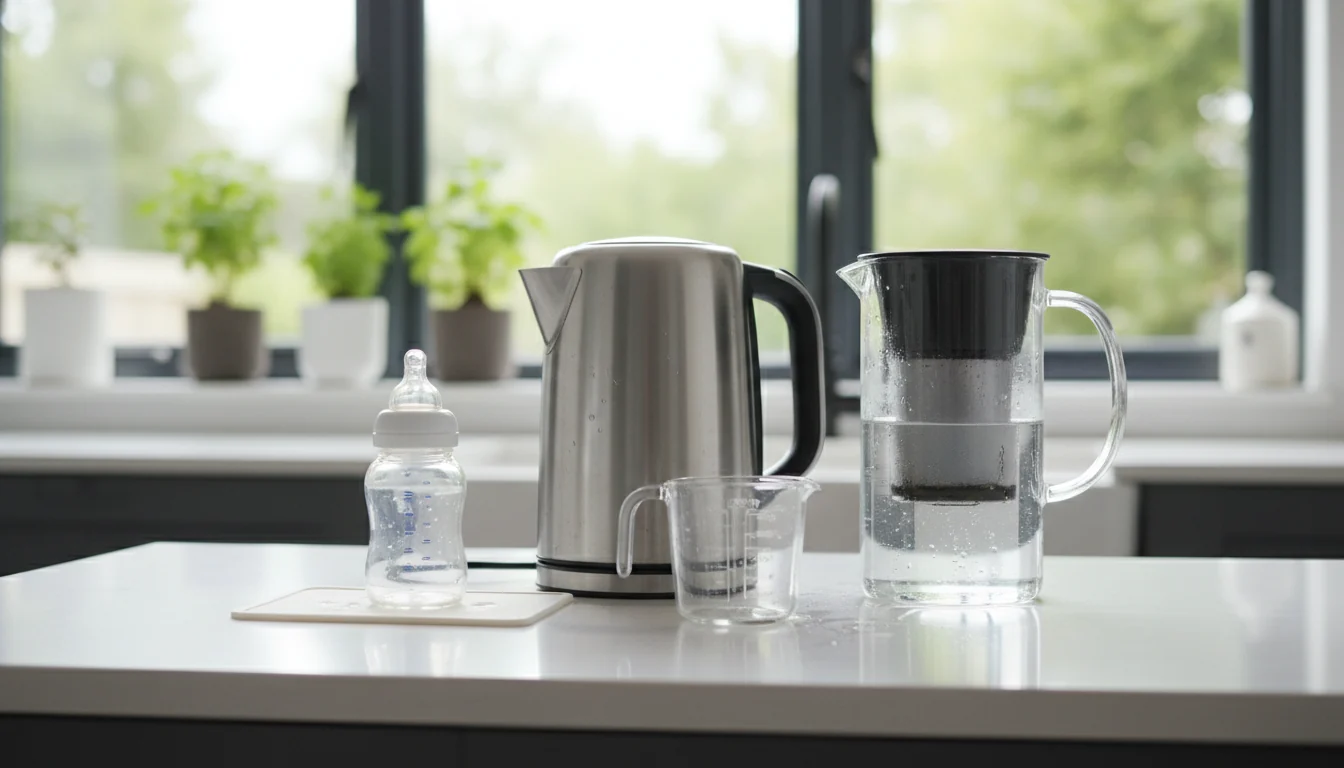
- A clean electric kettle if boiling water is part of your formula routine
- Reusable glass storage containers for cooled boiled water, if recommended and handled safely
Be cautious with expensive products that promise vague “detox,” “structured water,” “alkaline baby water,” or miracle purification without clear testing data.
Read more: Baby-safe water filter buying guide
Final Thoughts
Microplastics are a real concern, but parents do not need fear-based advice.
For baby formula, the priority is safe preparation: correct mixing, clean equipment, appropriate water, and guidance from your pediatrician. Water choice can reduce certain risks, but the best choice depends on your local water, your baby’s age and health, and the formula instructions.
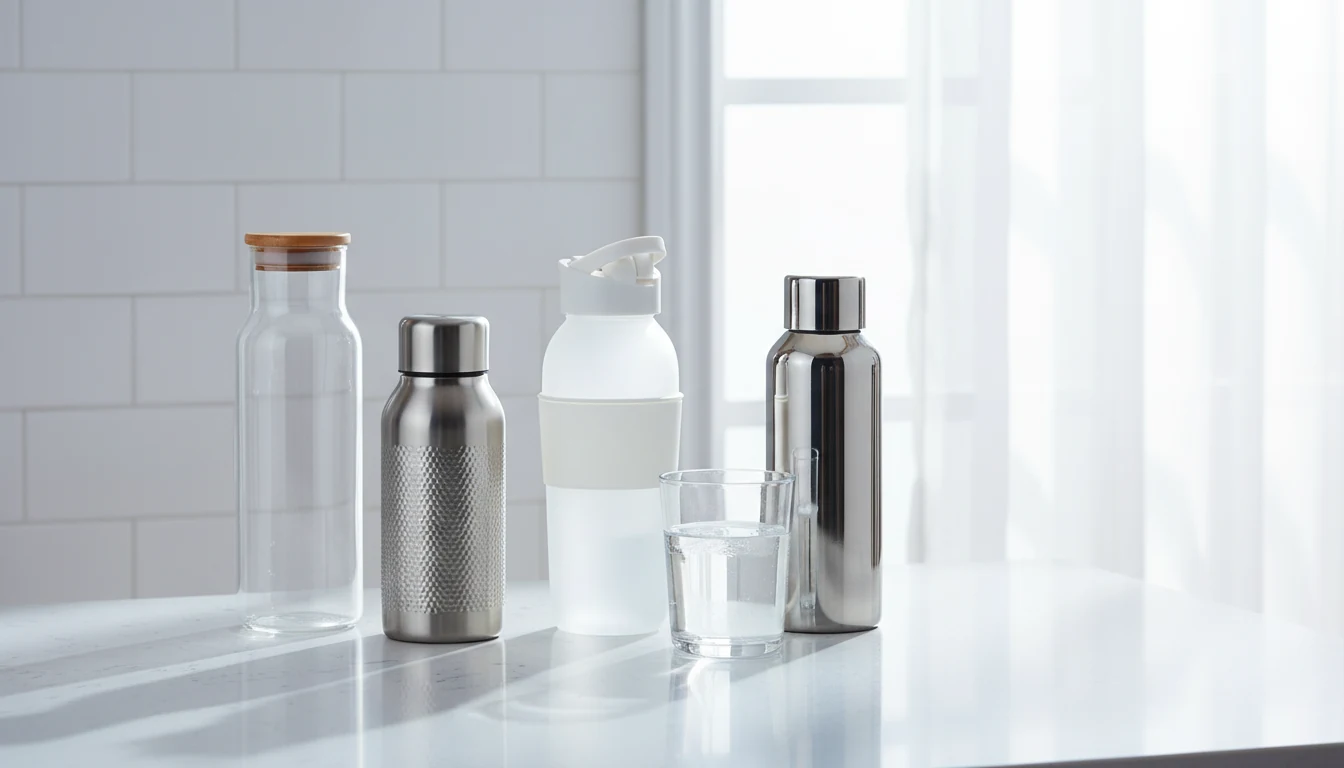
If you want to reduce single-use plastic, compare BPA-free reusable bottles, glass bottles, and stainless steel options before choosing.
As an Amazon Associate, Clean Water In Homes may earn from qualifying purchases.
If you want a simple rule, mine is this: do not chase perfect water at the expense of proven formula safety steps.
Use professional guidance, choose water carefully, reduce unnecessary plastic heat exposure where practical, and keep the routine consistent enough that you can actually follow it when you are tired.
FAQ
Is bottled water safer than tap water for baby formula?
Not always. Bottled water may be recommended in some situations, but it is not automatically safer for every baby or every home. Ask your pediatrician and follow local guidance.
Does boiling water remove microplastics?
Boiling is mainly used for microbial safety, not as a guaranteed microplastic removal method. Do not rely on boiling alone to solve microplastic concerns.
Can I use filtered water for baby formula?
Possibly, but it depends on the filter, your water source, your baby, and formula instructions. Filtering does not necessarily make water sterile. Ask your pediatrician if filtered water is appropriate.
Are plastic baby bottles unsafe?
Many parents use plastic bottles, but some choose glass to reduce plastic contact, especially with heat. Talk with your pediatrician if you are considering changes, and make sure any bottle you use is appropriate and safe for feeding.
Should I use distilled water for baby formula?
Some parents use distilled water, but the right choice depends on medical guidance, formula instructions, and local water conditions. Ask your pediatrician before making it your routine.
What water should I use during a boil-water advisory?
Follow your local health department’s instructions and call your pediatrician for infant-specific guidance. Do not assume a standard filter pitcher makes water safe during a boil-water advisory.