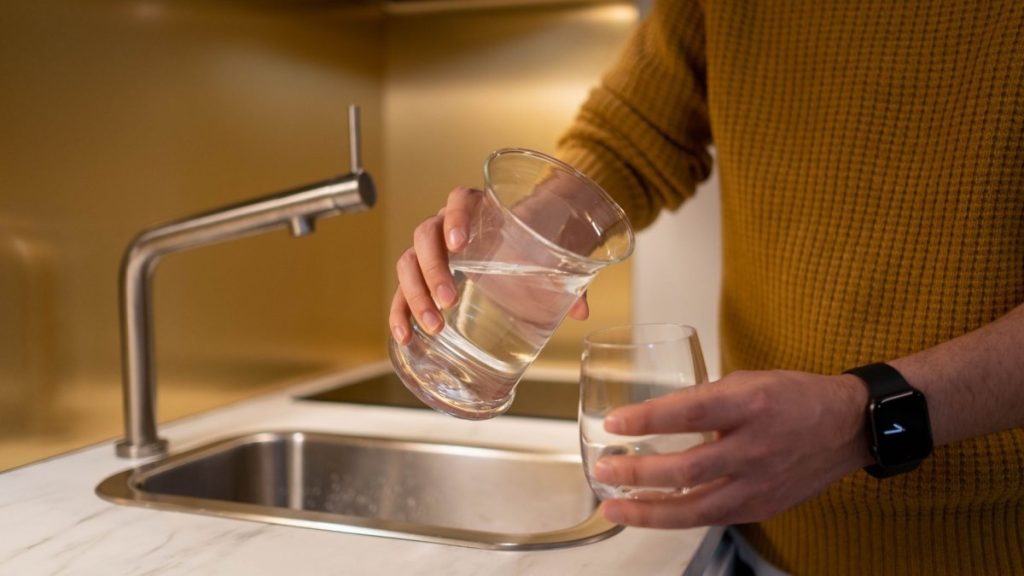

Plenty of people assume any water filter pitcher takes lead out of tap water. It doesn’t. Many pitchers are built for taste and chlorine only, and the box won’t always say so clearly.
The ones that reliably cut lead are certified by an independent testing body to NSF/ANSI Standard 53 for lead reduction. Below, you’ll see which popular pitchers meet that bar, which don’t, and how to check a claim yourself in about five minutes.
At a glance
- Best for 1 to 2 people wanting maximum certified coverage: ZeroWater 10-cup
- Best for a tight budget: Amazon Basics pitcher
- Best for easy-to-find filters: Brita Denali or Tahoe with the Elite filter
- Best for lead plus microplastics: PUR PLUS 7-cup
- Best for a family of four or more: ZeroWater 32-cup dispenser or Brita Tahoe 10-cup
Which Lead-Removing Pitcher to Pick, and for Whom
Four pitcher families make a lead claim backed by a certifier or a clear manufacturer badge: Brita (with the Elite filter), PUR PLUS, ZeroWater and Amazon Basics. Which one fits you depends on household size, budget and how easy the filters are to find.
If you live in a small household and want the widest list of certified claims, ZeroWater is the pick. It’s certified to reduce lead, chromium, PFOA/PFOS and mercury. On a tight budget, start with the Amazon Basics pitcher. Brita Elite wins on convenience, since Brita filters are everywhere. PUR PLUS makes sense if you also want microplastics reduced.
One warning: a pitcher certified only to NSF/ANSI 42 is a taste filter, not a lead filter. That includes some fast, cheap, popular models.
Lead-Certified Pitchers Side by Side
Four pitcher families carry a lead claim, and two popular alternatives don’t. This table puts the claim, size, price and lab result in one place. Where a price wasn’t confirmed, it says “check current price.”
| Pitcher and filter | Lead claim and certifier | Capacity | Approx. price | Lab result or claim | Notes |
|---|---|---|---|---|---|
| Brita Denali with Elite filter | “Removes 99% of lead” (Brita claim); verify listing | 6 cups | $35.99 | Manufacturer claim | Elite filter carries the lead badge |
| Brita Tahoe with Elite filter | “Removes 99% of lead” (Brita claim); verify listing | 10 cups | $41.99 | Manufacturer claim | Largest Brita option here |
| Brita Denali / Tahoe with Original filter | No lead badge | 6 / 10 cups | $22.99 / $36.99 | None for lead | Not a lead filter |
| PUR PLUS | IAPMO R&T certified for lead and microplastics | 7 cups | Check current price | “5x more than Brita’s leading filter” (PUR claim) | Dishwasher-safe, filter change light |
| ZeroWater | IAPMO certified; 99.7% of lead (ZeroWater claim) | 10 cups up to 32-cup dispenser | Check current price | 100% of health-related contaminants removed in lab test | 5-stage filter, also PFOA/PFOS and mercury |
| Amazon Basics | WQA certified to NSF/ANSI 42, 53 and 401 | Check listing | Check current price | 100% of lead removed in lab test | Also removed both THMs detected |
| Waterdrop PT-07B | NSF/ANSI 42 only; no lead certification | Check listing | About $0.05 per gallon filtered | 8.40 GPH, fastest tested | Taste filter, skip for lead |
| Clearly Filtered | 1 of 365+ claims certified (NSF/ANSI 42) | Check listing | Check current price | Claims mostly uncertified | Skip for lead |
What NSF 53, 42, 401 and IAPMO Mean for Lead
NSF/ANSI Standard 53 is the health-effects standard that covers lead. Standard 42 covers aesthetics like taste and chlorine, and 401 covers emerging contaminants. Standard 58 applies to reverse osmosis systems, which also carry lead claims.

Keep the certifier and the standard separate in your head. NSF, IAPMO R&T and WQA are the testers. The standard is the test. A pitcher certified only to 42, like the Waterdrop PT-07B or Clearly Filtered, passed a taste test and nothing more.
The EPA keeps a consumer tool for pitcher and point-of-use filters. It covers filters evaluated by an accredited third-party certifier for lead reduction to 5 ppb or less, plus Class I particulate reduction, against both 53 and 42. In plain English: a good filter brings lead down to 5 parts per billion or lower, and it also catches fine particles, which matters because lead can travel in particle form.
How to Check a Lead Claim Yourself
Confirm that the exact model and filter appear in a certifier’s public listing for lead. Don’t trust box wording like “reduces lead” on its own.
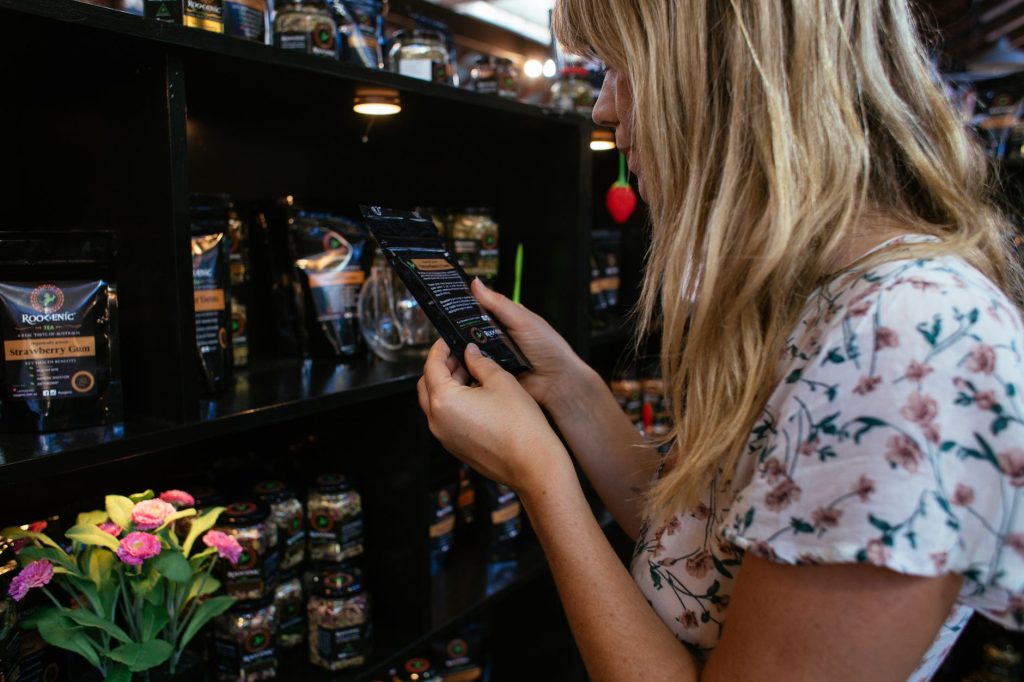
- Read the box. Look for “NSF/ANSI 53” and the word “lead,” not just “certified” or “tested.”
- Search the listing. NSF publishes a searchable list of filters certified to reduce lead, including pour-through pitcher types. IAPMO R&T and WQA have their own databases.
- Cross-check with the EPA tool. The EPA updated its list on June 6, 2024, replacing the 2018 version, so make sure you’re not looking at an old copy.
- Match the cartridge. The certification belongs to the replacement filter and the system it was tested in. A pitcher body alone isn’t certified, and a look-alike cartridge from a third party isn’t either.
If you can’t find the exact filter in a listing, treat the lead claim as unproven. That one step would have screened out Clearly Filtered, which advertises 365+ reductions but has only one certified.
Lab Results vs Manufacturer Claims
For the certified models, independent tests and manufacturer claims line up well. But only the certification shows a claim was verified, and one lab test isn’t a guarantee for your tap.
Brita says the Elite filter removes 99% of lead. The Original filter carries no lead badge on Brita’s listing, so Elite is the lead filter in that lineup. I found no independent lab figure for Brita in the testing behind this article, so treat the 99% as a claim until you’ve checked the listing.
ZeroWater says its filter is certified to reduce 99.7% of lead. In Water Filter Guru’s lab test, it removed 100% of health-related contaminants and was named best overall pitcher (9.33/10). Amazon Basics took the best-budget spot (8.79/10) after removing 100% of lead and both THMs found in the test water. WQA has certified every one of its nine reduction claims, spread across NSF/ANSI 42, 53 and 401.
That testing is worth trusting for its method: Water Filter Guru sent before-and-after water samples to an accredited lab, Tap Score by SimpleLab. PUR’s line about reducing “5x more than Brita’s leading pitcher filter” is a manufacturer comparison, so weigh it that way. The certification for lead and microplastics is the part you can verify.
Capacity, Speed and Household Size
Match the pitcher to how much you drink. ZeroWater says its 10-cup fits one or two people and its 32-cup dispenser suits a family of four or more. Brita’s 10-cup Tahoe is the other big option.

Sizes run from the Brita Denali at 6 cups and PUR PLUS at 7 cups to the Tahoe at 10 cups and ZeroWater up to 32 cups. Going big doesn’t cost you certification, because ZeroWater uses one 5-stage filter across its whole range.
Speed is a trade-off. The Waterdrop PT-07B filtered at 8.40 GPH, the fastest tested, but it has no lead certification, so speed doesn’t help you here.
Check your fridge before you buy. The PUR PLUS measures 9.6″ W x 10.1″ H x 4.5″ L, which matters if your shelf is short. It’s also dishwasher safe, and its filter change light resets when you hold the button for 5+ seconds.
Filter Life and Yearly Running Cost
A lead filter only works within its rated life, so budget for replacements. An expired filter can stop capturing lead, and a cheap pitcher with pricey, short-lived filters can cost more per year than a pricier one.
NSF’s guidance is simple: change filters on schedule and pick the exact replacement cartridge for your model. Confirm the rated life and any other limits on your package.
Here’s the formula: first-year cost = (filters per year x filter price) + pitcher price. Plug in current prices from the retailer, since filter prices move around. The only firm prices I have are Brita’s pitcher prices: $35.99 for the Denali with Elite and $41.99 for the Tahoe with Elite. Those aren’t filter prices.
With ZeroWater, your home matters. Its filter tends to wear out faster in harder water, so you may replace it more often than someone with soft water. Waterdrop looks cheap at about $0.05 per gallon filtered, but it isn’t lead-certified, so that saving doesn’t count here.
Pitchers vs Faucet, Under-Sink and RO Filters
For lead, a certified pitcher is the cheapest place to start. Certified faucet-mount, under-sink or reverse osmosis systems suit higher volumes or heavier contamination.
Faucet-mount filters need the same NSF 53 check, and they save you the refilling, but fit varies by tap. Under-sink and reverse osmosis systems handle more water, and RO is certified for lead under NSF/ANSI 58. Gravity-fed countertop filters count only if they’re certified for lead, so look up the listing just as you would for a pitcher.
One myth to drop: a filter doesn’t “leach” lead from your pipes. It only treats water that passes through it.
Where Lead Comes from and When a Pitcher Isn’t Enough
Lead usually enters water when old service lines or plumbing corrode. A pitcher treats what you drink, but it doesn’t fix the source.
The EPA says lead gets into drinking water when service pipes containing lead corrode, especially where water is acidic or low in minerals. Plumbing inside homes can also contain lead. That’s why two neighbors can get different results.
Start by finding out what you actually have. Test your water (Tap Score by SimpleLab is one option), check whether you have a lead service line, or call your utility and ask about testing.
If you’re pregnant or mixing formula for a baby, use a certified filter and ask your doctor or local health department about testing. Don’t use hot tap water for formula or cooking.
If you do have lead pipes, a pitcher is a stopgap. A certified under-sink system gives you more water with less hassle until the pipes are replaced.
Which Should You Choose?
Every certified option reduces lead, so let your situation break the tie.
- New parents or pregnancy: ZeroWater or Brita Elite, then test your tap.
- Large family or lead pipes: the ZeroWater dispenser or a certified under-sink system.
- Renting or short on fridge space: a compact 6- or 7-cup model like the Brita Denali or PUR PLUS.
Bottom Line: Buy Certified, Then Verify
Look up the exact filter in a listing, change it on time, and if your water tests high, deal with the source, not just the glass.
Check current options, prices and reviews for water filter pitchers side by side before deciding what fits your home best.
As an Amazon Associate, Clean Water In Homes may earn from qualifying purchases.
Frequently Asked Questions
Does boiling water remove lead?
No. Boiling doesn’t remove lead and can concentrate it as water evaporates. Run cold water through a lead-certified filter instead.
Can I run hot water through a lead filter pitcher?
No. Manufacturers say to use cold water only. Check your model’s package for its stated limits.
Do these pitchers also remove PFOA/PFOS or microplastics?
Some do. ZeroWater lists PFOA/PFOS, and PUR PLUS lists microplastics. Confirm each claim in the certification listing before relying on it.
Do I need to rinse a new filter before using it?
Most makers say to flush or rinse a new cartridge before first use, but the steps differ by model. Follow the instructions in your box so the filter performs as certified.
Sources and further reading